
What Is the David Protein Bar Lawsuit?
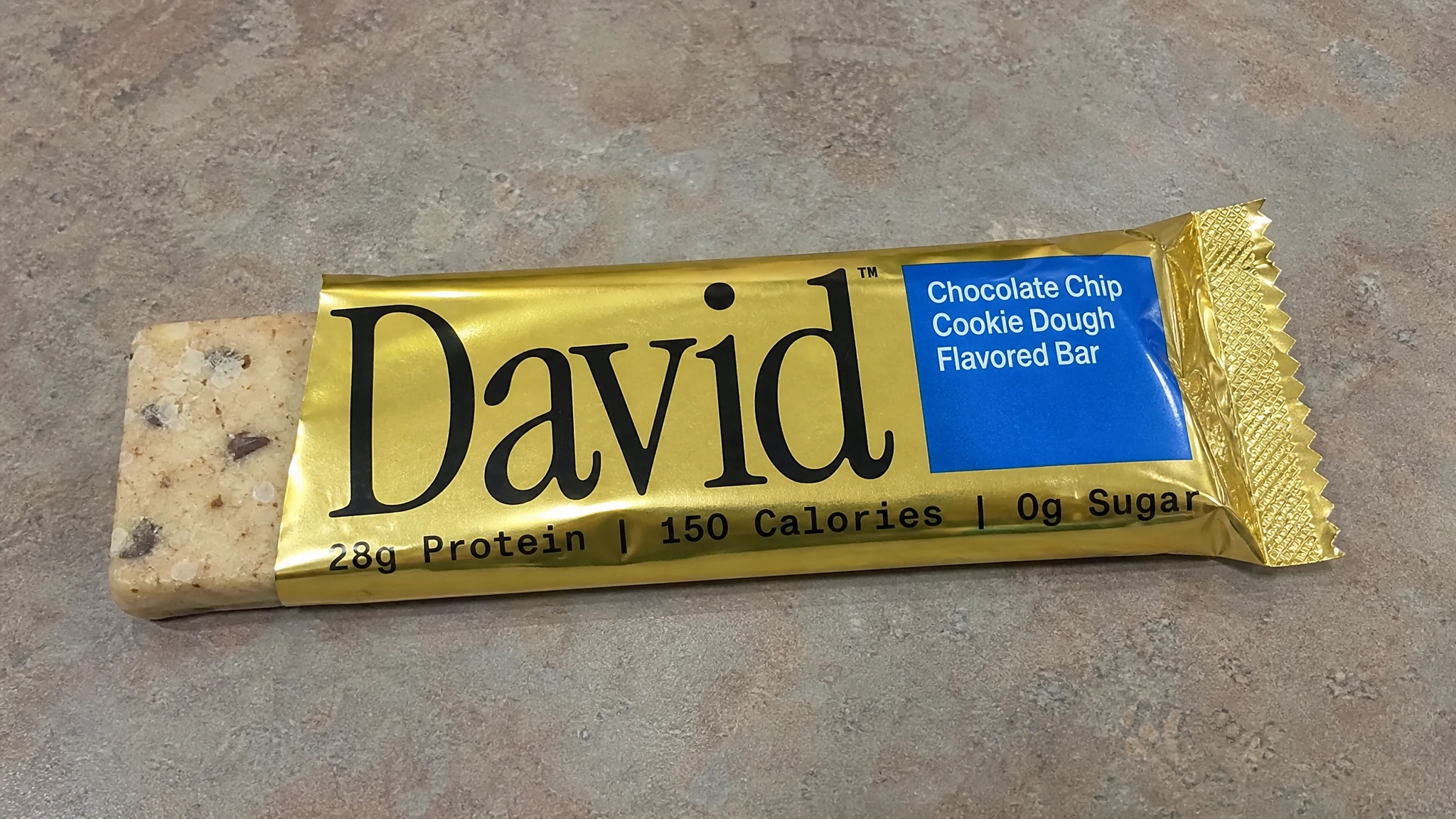
The David Protein bar lawsuit is a group of consumer class actions over the nutrition labels on David Protein bars sold by Linus Technologies, Inc. David Protein is the brand name the company uses, and the bars carry a front label reading "28g Protein | 150 Calories | 0g Sugar."
The first case, Lopez v. Linus Technologies, Inc., was filed on January 23, 2026, in the U.S. District Court for the Southern District of New York. Daniella Lopez, David Freifeld, and Crystal Paterson alleged the bars contain far more calories and fat than their labels state. The plaintiffs later dismissed that case voluntarily, as the status section below explains.
Three newer cases challenge the "0g Sugar" claim instead. They allege allulose, a sweetener in the bars, counts as a sugar under FDA rules. Those cases were filed between August 24 and September 10, 2026.
None of these cases is a multidistrict litigation. A separate antitrust case between David Protein and rival snack makers is described under related cases below.
“Plaintiffs Daniella Lopez, David Freifeld, and Crystal Paterson ("Plaintiffs") by and through their counsel, bring this class action against Defendant Linus Technologies, Inc. d/b/a David Protein ("Defendant") to seek redress for its unlawful and deceptive practices in labeling and marketing the calories and fat content in its consumer food products.”
Source: Lopez v. Linus Technologies, Inc., No. 1:26-cv-00635 (S.D.N.Y.), Class Action Complaint, Document 1, paragraph 1 (January 23, 2026)
Why Are People Filing David Protein Bar Lawsuits?
People are filing David Protein bar lawsuits because they say the 150 calorie and 0g Sugar claims on the front of each bar do not match what the bar contains. The plaintiffs also say they paid a premium for those claims.
CBS News reported that David bars sell for $39 per 12-pack, or $3.25 a bar. The Lopez complaint argued that shoppers who watch calories and fat rely on the nutrition panel and would have paid less for the true figures.
The calorie theory rests on an FDA limit. A food is treated as misbranded when its measured calories exceed the label by more than 20 percent, and the complaint cites that rule in 21 C.F.R. section 101.9(g)(5).
The sugar theory follows a July 2026 Seventh Circuit decision in Franco v. Chobani. The FDA told that court in an amicus brief that allulose is a sugar under federal regulation. The Yovino complaint against David Protein cites the Chobani case as precedent.
What Injuries Are Included in the David Protein Bar Lawsuit?
The injuries included in the David Protein bar lawsuit are primarily economic, because plaintiffs say they overpaid for bars that did not match their labels. The four alleged harms below come from the dismissed calorie case and the three pending sugar cases.
No court has ruled on any of these allegations. David Protein disputes the calorie and fat allegations, and each item below describes what a complaint alleges, not a finding.
Understated Calories
Understated calories means a food label lists fewer calories per serving than the food actually provides.
The Lopez complaint alleged plaintiffs tested eight David flavors at Anresco Laboratories, an FDA-recognized lab. It reported 263.88 to 275 calories per bar, against the 150 printed on every wrapper.
The Blueberry Pie bar tested highest at 275 calories, and the Peanut Butter Chocolate Chunk bar lowest at 263.88. The complaint calculated the gap at 78 to 83 percent above the label and pleaded it as misbranding under FDA's 20 percent limit.
Understated Fat
Understated fat means a food label lists fewer grams of total fat per serving than the food contains.
The labels list 2 or 2.5 grams of total fat per bar. The Lopez complaint reported 11.76 to 13.52 grams, measured with AOAC International method 945.44, a gap of roughly 368 to 400 percent.
The complaint pleaded the fat figure as a separate misstatement, because FDA's other calorie calculation methods depend on an accurate fat count.
Inaccurate Zero Sugar Claim
A zero sugar claim tells shoppers a food contains no sugar per serving, and federal labeling rules govern when a product may make it.
The Yovino complaint alleges one serving of David Gold bars contains 2 grams of allulose. It alleges the "0g sugar" claim is false because allulose is a sugar, and that shoppers cannot judge that on their own.
The McCarthy complaint calls the claim "health-washing" and alleges allulose is a monosaccharide within FDA's definition of sugar. It also alleges allulose can cause nausea, bloating, and other digestive effects.
David's nutrition panel lists 0g total sugars, and its ingredient list shows allulose in the binding system. Reports describe the Dash complaint in Florida as challenging the same claim.
Price Premium
A price premium is the extra amount a shopper pays because a product carries a particular label claim.
Every complaint frames the money injury as a price premium. The Lopez complaint alleged David Protein charged more because of its low-calorie claims, and plaintiffs would have paid less or not bought the bars.
The Yovino complaint says shoppers were "deprived of the benefit of their bargain." The McCarthy plaintiff says he bought 12 David Gold bars in reliance on the "0g Sugar" label.
Who Qualifies for the David Protein Bar Lawsuit?
You may qualify if:
- You bought David Protein bars in the United States for personal use, not for resale
- You bought bars carrying the "0g Sugar" label, the claim challenged in the three pending cases
- You can document the purchase with a receipt, order email, or card statement
You may not qualify if:
- You bought the bars only to resell them
- You are David Protein, an affiliate, or a current or former employee, officer, or director
- You expect a payment now, since no settlement exists and no class has been certified
- You are relying on the dismissed calorie case, which ended with no class and no payment
No court has certified a class in any David Protein case, so no one is currently a class member and no claim form exists. The proposed classes differ by case and could change. Only a qualified attorney reviewing your purchase records can confirm whether you fall within one.
What Is the Current Status of the David Protein Bar Lawsuit?
The current status of the David Protein bar lawsuit is that one calorie labeling case was dismissed without prejudice and three zero sugar class actions are pending. No court has ruled on whether any David Protein label is false or misleading.
A CourtListener search in October 2026 found no refiled calorie case. The three pending cases are early-stage filings in three different federal courts, with no certified class and no reported settlement talks.
Lopez v. Linus Technologies, Inc.
Daniella Lopez of Los Angeles, David Freifeld of Vernon Hills, Illinois, and Crystal Paterson of New York filed this proposed class action on January 23, 2026. Sultzer & Lipari, PLLC and Bryson Harris Suciu & Demay PLLC represented the plaintiffs.
| Court | U.S. District Court, Southern District of New York |
| Case Number | 1:26-cv-00635 (JPO) |
| Judge | Judge J. Paul Oetken; Magistrate Judge Ona T. Wang designated |
| Filed | January 23, 2026 |
| Plaintiffs | Daniella Lopez, David Freifeld, Crystal Paterson |
| Defendant | Linus Technologies, Inc. d/b/a David Protein |
| Claims Alleged | Nine counts: New York General Business Law sections 349 and 350, breach of express warranty, California UCL, FAL, and CLRA, Illinois consumer fraud and deceptive trade practices acts, unjust enrichment |
| Proposed Class | Nationwide class plus California, Illinois, and New York subclasses of people who bought the bars for personal use |
| Current Stage | Voluntarily dismissed without prejudice on March 30, 2026 |
Quinn Emanuel Urquhart & Sullivan appeared for David Protein on March 24, 2026, and asked with plaintiffs' consent to extend its response deadline from March 31 to April 17. Six days later, the plaintiffs filed a notice of voluntary dismissal under Federal Rule of Civil Procedure 41(a)(1)(A)(i).
Neither side has publicly explained the dismissal. Because it was without prejudice, the plaintiffs could refile, subject to any limitations deadlines.
Yovino v. Linus Technology MergerSub, LLC
Vincent Yovino filed this proposed class action over the "0g sugar" claim on David Gold protein bars. It was the first of the three allulose cases.
| Court | U.S. District Court, Northern District of California |
| Case Number | 3:26-cv-08834 |
| Judge | Magistrate Judge Thomas S. Hixson |
| Filed | August 24, 2026 |
| Plaintiff | Vincent Yovino |
| Defendant | Linus Technology MergerSub, LLC |
| Claims Alleged | False "0g sugar" claim on bars containing allulose; docket cause lists diversity fraud |
| Plaintiff's Counsel | Treehouse Law LLP |
| Current Stage | Pending; no ruling reported |
McCarthy v. Linus Technology MergerSub, LLC
Ryan McCarthy, a Los Angeles consumer, filed this proposed class action on September 4, 2026. He says he bought 12 David Gold bars relying on the "0g Sugar" label.
| Court | U.S. District Court, Central District of California |
| Case Number | 2:26-cv-09958 |
| Filed | September 4, 2026 |
| Plaintiff | Ryan McCarthy |
| Defendant | Linus Technology MergerSub, LLC |
| Claims Alleged | California Unfair Competition Law, False Advertising Law, and Sherman Food, Drug, and Cosmetic Law |
| Proposed Class | Nationwide class and California subclass |
| Relief Sought | Actual and statutory damages, restitution, interest, costs, and attorneys' fees |
| Plaintiff's Counsel | Srourian Law Firm, P.C. |
| Current Stage | Pending; no ruling reported |
Dash v. Linus Technology, Inc.
Niki Dash filed the third allulose case in Florida on September 10, 2026. Reports describe it as challenging the same "0g Sugar" claim, and the plaintiff demands a jury.
| Court | U.S. District Court, Middle District of Florida |
| Case Number | 5:26-cv-00646 |
| Judge | Judge Carlos E. Mendoza; Magistrate Judge Philip R. Lammens |
| Filed | September 10, 2026 |
| Plaintiff | Niki Dash |
| Defendant | Linus Technology, Inc. |
| Claims Alleged | Deceptive trade practices; docket cause lists diversity jurisdiction |
| Plaintiff's Counsel | Seraph Legal, P.A. |
| Current Stage | Pending; no ruling reported |
Is There a David Protein Bar Lawsuit Settlement?
No. No David Protein bar lawsuit settlement exists as of October 2026, because the calorie case ended by voluntary dismissal and the three sugar cases have no certified class.
The Lopez complaint sought actual and punitive damages, statutory damages under New York law, restitution, and attorneys' fees, but it stated no total. Any estimate of what a shopper might receive would be speculation, and only a qualified attorney reviewing your records can assess a claim.
Because no settlement exists, there is no claim form, claims deadline, or administrator to file with. A site that offers a David Protein payout describes something that does not currently exist.
The Lopez complaint invoked federal jurisdiction on an amount in controversy above $5,000,000. That figure is a jurisdictional threshold under the Class Action Fairness Act, not a settlement value or a promised recovery.
David Protein Bar Lawsuit Updates
Here are the latest David Protein Bar lawsuit updates, covering new court filings, rulings, and case-count reports as they're confirmed. As of October 2026, the three David Protein zero sugar class actions remain in active pretrial litigation with no settlement announced. The full timeline below covers every verified development since the first case was filed.
David Protein Bar Lawsuit Timeline of Events
David Protein acquires EPG maker Epogee
Linus Technology, Inc., which sells David Protein bars, acquired Epogee LLC on May 9, 2025, according to a later federal court decision. Epogee is the sole producer of EPG, the fat substitute used in David bars.
Three food makers file an antitrust case over EPG
OWN Your Hunger, Lighten Up Foods, and Defiant Foods sued David Protein, Epogee, and Peter Rahal in the Southern District of New York on May 30, 2025, as No. 1:25-cv-04544. They alleged the Epogee acquisition cut off their EPG supply.
Consumers file the calorie and fat class action
Daniella Lopez, David Freifeld, and Crystal Paterson sued Linus Technologies, Inc. on January 23, 2026, in the Southern District of New York. They alleged David bars contain up to 83 percent more calories and up to 400 percent more fat than labeled.
Court assigns Lopez v. Linus Technologies to Judge Oetken
The Southern District of New York assigned Lopez v. Linus Technologies, No. 1:26-cv-00635, to Judge J. Paul Oetken on January 27, 2026. Magistrate Judge Ona T. Wang was designated for referred matters.
David Protein waives formal service in the calorie case
Linus Technologies, Inc. executed a waiver of service in Lopez on February 2, 2026. That waiver set its original deadline to respond to the complaint at March 31, 2026.
Judge dismisses the EPG antitrust complaint
Judge Victor Marrero granted David Protein's motion to dismiss the second amended antitrust complaint on February 4, 2026, and denied a preliminary injunction. He allowed the plaintiffs to seek leave to amend.
David Protein posts "No one is getting Regina Georged"
David Protein answered the calorie lawsuit publicly on March 11, 2026, with a social media post that referenced the film Mean Girls. The post said David bars are 150 calories.
CEO Peter Rahal disputes the testing method in a letter
Peter Rahal, CEO of David Protein, published a letter on March 12, 2026, calling the Lopez lawsuit "simply wrong." He said bomb calorimetry overstates calories for EPG, and that FDA permits six calorie calculation methods.
Quinn Emanuel appears and asks to extend the response deadline
Quinn Emanuel Urquhart & Sullivan appeared for David Protein in Lopez on March 24, 2026. The firm asked Judge Oetken to extend the deadline to respond to the complaint to April 17, 2026, with plaintiffs' consent.
Plaintiffs voluntarily dismiss the calorie case
Lopez, Freifeld, and Paterson filed a notice of voluntary dismissal without prejudice in Lopez v. Linus Technologies on March 30, 2026. The notice gave no reason, and the dismissal ended the case before David Protein answered.
David Protein says it is pleased the matter is resolved
David Protein said on March 31, 2026, that it was pleased the Lopez matter had been resolved. It added that it remains confident in the accuracy of its nutrition labeling.
EPG antitrust plaintiffs file an amended complaint
The three EPG customers filed an amended complaint in OWN Your Hunger v. Linus Technology on April 1, 2026, after Judge Marrero's dismissal. David Protein moved to dismiss it on May 1, 2026.
Judge Marrero declines oral argument on the antitrust motion
Judge Victor Marrero ordered on June 1, 2026, that David Protein's motion to dismiss the amended antitrust complaint was fully briefed. He denied the request for oral argument.
Docket records a voluntary dismissal stipulation in the antitrust case
The docket in OWN Your Hunger v. Linus Technology shows a stipulation and order of voluntary dismissal and party terminations on June 15, 2026. The document's text is not publicly available, and reports say Lighten Up Foods settled its own claims.
First "0g Sugar" allulose class action is filed in California
Vincent Yovino sued Linus Technology MergerSub, LLC in the Northern District of California on August 24, 2026, as No. 3:26-cv-08834. He alleges David Gold bars falsely claim "0g sugar" while containing allulose.
Second allulose class action is filed in Los Angeles
Ryan McCarthy sued Linus Technology MergerSub, LLC in the Central District of California on September 4, 2026, as No. 2:26-cv-09958. His complaint proposes a nationwide class and a California subclass.
Third allulose class action is filed in Florida
Niki Dash sued Linus Technology, Inc. in the Middle District of Florida on September 10, 2026, as No. 5:26-cv-00646. The case is assigned to Judge Carlos E. Mendoza.
How to File a David Protein Bar Lawsuit
Follow these 5 steps to file a David Protein Bar lawsuit.
- Gather your David bar purchase records: Find receipts, order confirmations, or card statements showing when and where you bought David Protein bars.
- Keep the wrapper or a photo of the label: The pending suits challenge the "0g Sugar" claim, so a photo showing that wording and the flavor is useful.
- Check each case's docket before acting: Search the case number on CourtListener to see whether a class has been certified or a settlement has been filed.
- Avoid sites that promise a payout: No settlement exists, so any site asking for fees or financial details to claim a David Protein payout deserves skepticism.
- Consult a consumer class action attorney: A lawyer can confirm whether your purchases fall within a proposed class and whether any limitations deadline applies to you.
Answer a few questions and a case reviewer will follow up. Free, no obligation.
A case reviewer will follow up soon.
What Evidence Do You Need for a David Protein Bar Lawsuit?
Evidence for a David Protein bar lawsuit claim centers on proof that you bought the bars and the label you relied on. A receipt, order email, or card statement with the date and amount covers the first part.
A photo of the wrapper covers the second part. It should show the front label and the flavor, since the pending cases quote the "0g Sugar" wording.
Plaintiffs in the Lopez case commissioned lab testing on eight flavors. A shopper joining a class action generally does not need lab results of their own.
What Did David Protein Allegedly Know About Its Bar Labels?
The Lopez complaint alleged David Protein knowingly used numbers that would appeal to health-minded shoppers. It did not cite any regulator warning, and ABC News reported no regulator had announced enforcement tied to the claims.
David Protein says its labels are accurate because FDA permits six calorie calculation methods and FDA-reviewed notices recognize the fat substitute EPG at 0.7 calories per gram. CEO Peter Rahal says the plaintiffs' bomb calorimetry testing counts calories the body does not absorb.
The Lopez complaint did not mention EPG. It relied on the standard 4-4-9 Atwater calorie factors.
| Event | Actor | Date |
|---|---|---|
| Acquires Epogee, the sole producer of EPG | Linus Technology, Inc. (David Protein) | May 9, 2025 |
| Complaint alleges labels understate calories and fat | Lopez, Freifeld, and Paterson | January 23, 2026 |
| CEO letter disputes the testing method and cites EPG at 0.7 calories per gram | Peter Rahal | March 12, 2026 |
| Statement says the company remains confident in its labeling | David Protein | March 31, 2026 |
| First complaint alleges allulose contradicts the "0g sugar" claim | Vincent Yovino | August 24, 2026 |
David Protein has not been found to have mislabeled any bar. The allulose complaints rely on the FDA's position in the Chobani case, which was public before they were filed.
How Does the David Protein Bar Lawsuit Compare to Related Cases?
The David Protein bar lawsuit differs from the EPG antitrust case and the Chobani zero sugar case in its parties, claims, and who can recover. Shoppers are the plaintiffs here, while food makers are the plaintiffs in the antitrust case.
OWN Your Hunger LLC v. Linus Technology, Inc., Epogee LLC, and Peter Rahal, No. 1:25-cv-04544 (S.D.N.Y.), is a competitor case before Judge Victor Marrero. Its plaintiffs alleged the Epogee acquisition cut off their EPG supply. Shoppers are not parties to it and cannot claim money in it.
| Case | Court | Theory and status |
|---|---|---|
| Lopez v. Linus Technologies (calories) | S.D.N.Y. | Calories and fat understated; dismissed without prejudice |
| Yovino, McCarthy, and Dash (zero sugar) | N.D. Cal., C.D. Cal., M.D. Fla. | "0g Sugar" claim false because of allulose; pending |
| OWN Your Hunger v. Linus Technology (antitrust) | S.D.N.Y. | Competitors' EPG supply cut off; dismissed in February 2026, amended complaint filed April 2026 |
| Franco v. Chobani (zero sugar) | N.D. Ill., revived by the Seventh Circuit | Allulose in Zero Sugar yogurt; the precedent the allulose suits cite |
The Chobani lawsuit page covers the Franco case and three other Chobani proceedings in full.
Frequently Asked Questions
What is the David Protein bar lawsuit about?
The David Protein bar lawsuit is about the nutrition labels on David bars. A dismissed 2026 case alleged the bars contain more calories and fat than labeled, and three pending cases allege the "0g Sugar" claim is false because the bars contain allulose.
Is the David Protein bar lawsuit a class action or an MDL?
The David Protein bar lawsuit is a set of proposed class actions, not a multidistrict litigation. The cases sit in four separate federal courts in New York, California, and Florida, and no court has certified a class in any of them.
Was the David Protein bar lawsuit dismissed?
The David Protein bar calorie lawsuit was dismissed when the plaintiffs filed a voluntary notice on March 30, 2026, without prejudice. Three newer lawsuits over the "0g Sugar" claim remain pending.
Is there a David Protein bar lawsuit settlement?
No David Protein bar lawsuit settlement exists as of October 2026. The calorie case ended by voluntary dismissal, and the three pending cases have no certified class or reported settlement.
Can I join the David Protein bar lawsuit?
No one can currently join the David Protein bar lawsuit through a claim form, because no court has certified a class and no settlement exists. The McCarthy complaint proposes a nationwide class of people who bought David bars, but a court has not approved it.
How many calories are in a David protein bar?
A David protein bar is labeled at 150 calories, 28 grams of protein, and 0 grams of sugar. The Lopez plaintiffs alleged lab tests found 263 to 275 calories, while David Protein says its labels follow FDA calculation rules for EPG.
Why does David Protein say its calorie count is correct?
David Protein says its calorie count is correct because FDA permits six calorie calculation methods and FDA-reviewed notices recognize EPG at 0.7 calories per gram, against 9 for regular fat. CEO Peter Rahal says bomb calorimetry overstates calories for ingredients the body does not fully absorb.
Is the David Protein antitrust lawsuit the same as the calorie lawsuit?
The David Protein antitrust lawsuit is a different case from the calorie lawsuit. Three food makers that bought EPG brought it against David Protein, Epogee, and Peter Rahal, so shoppers are not parties to it.