
What Is the Chobani Lawsuit?
The Chobani lawsuit is a shorthand for at least four separate legal proceedings involving Chobani LLC, the Greek yogurt maker, not one single case. Three are consumer class actions alleging Chobani mislabeled its yogurt products, and the fourth is a competitor lawsuit filed against Chobani by Danone US, LLC.
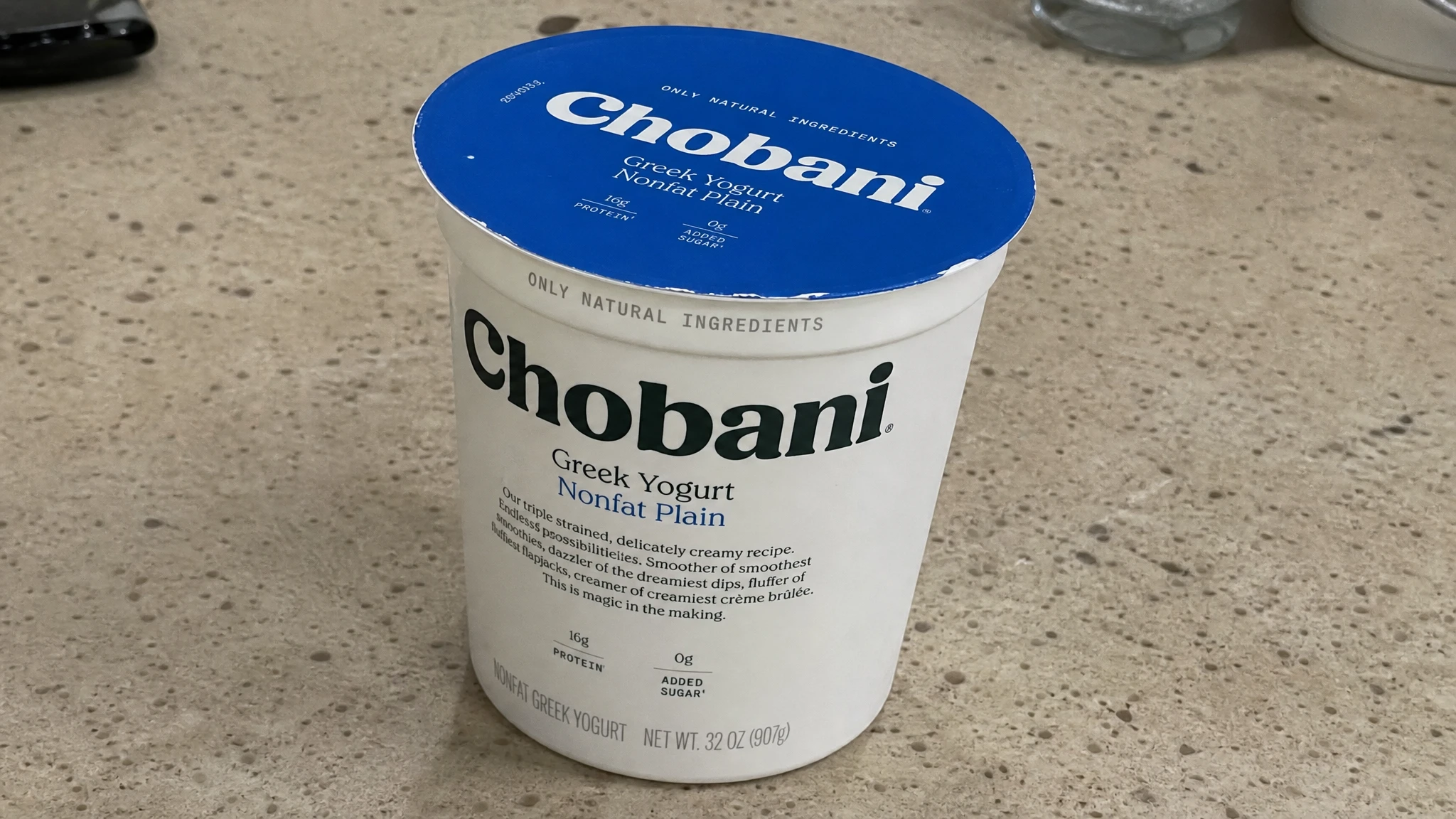
Amy Wysocki sued Chobani LLC in the U.S. District Court for the Southern District of California in April 2025, alleging the company's "Only Natural Ingredients" claim was false because independent testing found plastic chemicals called phthalates in its Nonfat Plain and Whole Milk Plain Greek yogurt. Jason and Abigail Franco sued Chobani in the U.S. District Court for the Northern District of Illinois in May 2025, alleging its Zero Sugar yogurt is sweetened with a sugar substitute the FDA classifies as sugar. Laura Willis Albrigo separately sued Chobani in the Southern District of California over the same Zero Sugar product's "only natural" claims. Danone US, LLC, maker of the competing Oikos Pro brand, sued Chobani in the Southern District of New York in June 2026, alleging Chobani's "20G Protein" yogurt line overstates its protein content.
“Plaintiff brings this class action lawsuit on behalf of herself and other similarly situated consumers who purchased Chobani's yogurt products, including but not limited to Chobani's Nonfat Plain Greek Yogurt and Chobani's Whole Milk Plain Greek Yogurt. Defendant's yogurt product affirmatively claims to contain 'Only Natural Ingredients' while disclaiming the presence of any artificial flavoring and sweeteners and preservative.”
Source: Wysocki v. Chobani LLC, No. 3:25-cv-00907-JES-VET, Class Action Complaint at 1-2 (S.D. Cal. Apr. 16, 2025)
Why Are People Filing Chobani Lawsuits?
People are filing Chobani lawsuits because plaintiffs in three separate cases allege the company's packaging claims do not match what independent testing or FDA-defined terms actually show, while Danone alleges Chobani copied a rival's protein positioning without matching its protein content. Each case rests on a different underlying product and legal theory.
Amy Wysocki's complaint alleges third-party testing by PlasticList found four types of phthalates, including di-2-ethylhexyl phthalate (DEHP), in Chobani yogurt marketed as containing "Only Natural Ingredients," chemicals the complaint describes as endocrine-disrupting plasticizers unrelated to any natural dairy ingredient. Jason and Abigail Franco's complaint, filed in Illinois, alleges every serving of Chobani's Zero Sugar yogurt contains 4 grams of allulose, a sweetener the complaint says falls within the FDA's own definition of sugar despite Chobani's zero-sugar labeling. Laura Willis Albrigo's separate California complaint alleges the same Zero Sugar product's "only natural" claim is false because it relies on stevia leaf extract and monk fruit extract, ingredients a federal judge found undergo manufacturing processes a reasonable consumer might not consider natural.
Danone's complaint, filed in New York, alleges Chobani set its 20G Protein single-serving containers at 6.7 ounces rather than the industry-standard 5.3 ounces specifically to reach the 20-gram protein threshold used to market it as comparable to Danone's Oikos Pro, while Chobani's multi-serve containers, which are bound by FDA serving-size rules, would only support an 18-gram claim.
What Injuries Are Included in the Chobani Lawsuit?
The Chobani lawsuit includes three distinct categories of alleged consumer harm, each tied to a different product claim. Each is defined in plain language below, followed by what the relevant complaint or court order specifically alleges. Chobani has denied wrongdoing in each case and moved to dismiss the consumer complaints.
Phthalate Exposure in "Only Natural" Yogurt
Phthalates are man-made chemicals used to soften plastics, some of which are classified as endocrine disruptors that can interfere with the body's hormone system.
The Wysocki complaint alleges third-party testing by PlasticList found di-2-ethylhexyl phthalate (DEHP), diethyl phthalate (DEP), dibutyl phthalate (DBP), and a phthalate substitute called di-2-ethylhexyl terephthalate (DEHT) in Chobani's Nonfat Plain and Whole Milk Plain Greek yogurt, products labeled with a front-of-package "Only Natural Ingredients" claim. The complaint alleges these findings contradict that claim and cites the U.S. Environmental Protection Agency's classification of DEHP as a probable human carcinogen. No regulatory agency has confirmed phthalate contamination in Chobani products, and Chobani has moved to dismiss the allegations as lacking merit.
"Zero Sugar" Yogurt Containing Allulose
Allulose is a naturally occurring sweetener found in small amounts in foods like figs and maple syrup that the FDA has said fits the legal definition of a sugar even though it is metabolized differently than table sugar.
The Franco complaint alleges every serving of Chobani's Zero Sugar yogurt contains 4 grams of allulose, and that labeling the product "zero sugar" is misleading because allulose is a monosaccharide covered by the FDA's own definition of sugar. A federal judge dismissed this claim in May 2025, crediting Chobani's argument that FDA enforcement guidance allowed companies to exclude allulose from sugar totals pending further rulemaking. An appeals court revived the case in July 2026 after the FDA told the court in an amicus brief that its guidance should not be read as shielding companies from consumer lawsuits over allulose labeling. Separately, the Albrigo complaint alleges the same Zero Sugar product's "only natural ingredients" claim is false because it relies on manufactured stevia leaf extract and monk fruit extract rather than naturally occurring sweeteners.
Inflated Protein Claims on 20G Protein Yogurt
Inflated protein claims, in this context, refers to a food label overstating how much protein a standard serving actually contains relative to a competitor's comparable product.
Danone's complaint alleges Chobani set the serving size on its single-serving 20G Protein cups at 6.7 ounces, larger than the yogurt industry's standard 5.3-ounce single serving, specifically to reach the 20-gram protein figure used in the product's name and marketing. The complaint alleges that when measured against the same 5.3-ounce standard Danone's own Oikos Pro uses, Chobani's product contains roughly 26% less protein ounce for ounce in flavored varieties and up to 39% less in plain varieties. Danone further alleges that Chobani's 32-ounce multi-serve tubs, which are subject to FDA serving-size rules that single-serve containers are not, would only support an 18-gram protein claim rather than 20 grams.
What Is the Current Status of the Chobani Lawsuit?
The current status of the Chobani lawsuit varies by proceeding. Two consumer cases remain pending on the merits, one was dismissed and then revived on appeal, and Danone's competitor suit is in its early stages. None of the four has settled or reached a final judgment.
Wysocki v. Chobani LLC (Phthalates)
Amy Wysocki filed this proposed class action in the Southern District of California on April 16, 2025, alleging violations of California's Consumers Legal Remedies Act, Unfair Competition Law, and False Advertising Law, along with breach of express warranty and unjust enrichment. U.S. District Judge James E. Simmons Jr. granted in part and denied in part Chobani's motion to dismiss on April 6, 2026, dismissing the unjust enrichment claim and the UCL, FAL, and CLRA fraudulent-omission theories with leave to amend while denying dismissal of the breach of express warranty claim, and ordered Wysocki to file an amended complaint by May 6, 2026.
| Proceeding Type | Proposed federal consumer class action |
| Court | U.S. District Court, Southern District of California (Judge James E. Simmons Jr.) |
| Case No. | 3:25-cv-00907-JES-VET |
| Filed | April 16, 2025 |
| Key Ruling | Motion to dismiss granted in part and denied in part, April 6, 2026 |
| Status | Express warranty claim proceeding; unjust enrichment and fraudulent-omission theories dismissed with leave to amend; amended complaint due May 6, 2026 |
Franco v. Chobani LLC (Zero Sugar Allulose)
Jason and Abigail Franco filed this proposed class action in the Northern District of Illinois on May 15, 2025. U.S. District Judge John J. Tharp dismissed the case with prejudice on May 29, 2025, ruling FDA guidance on allulose labeling was entitled to deference. A federal appeals court reversed that dismissal around July 28, 2026 after the FDA told the court in an amicus brief that its guidance should not be read to shield companies from consumer suits, and the case now returns to the district court for discovery.
| Proceeding Type | Proposed federal consumer class action |
| Court | U.S. District Court, Northern District of Illinois (Judge John J. Tharp) |
| Filed | May 15, 2025 |
| Key Ruling | Dismissed with prejudice May 29, 2025; reversed on appeal around July 28, 2026 |
| Status | Revived, returned to district court for discovery |
Albrigo v. Chobani LLC (Zero Sugar "Only Natural" Claim)
Laura Willis Albrigo filed this proposed class action in the Southern District of California, alleging Chobani's Zero Sugar yogurt is falsely marketed as containing only natural ingredients because it relies on manufactured stevia leaf extract and monk fruit extract. U.S. District Judge Benjamin J. Cheeks denied Chobani's motion to dismiss in part on July 11, allowing the manufactured-ingredient claim to proceed while dismissing a related claim over artificial coloring.
| Proceeding Type | Proposed federal consumer class action |
| Court | U.S. District Court, Southern District of California (Judge Benjamin J. Cheeks) |
| Key Ruling | Motion to dismiss denied in part, July 11 |
| Status | Manufactured-ingredient claim proceeding; artificial-coloring claim dismissed |
Danone US, LLC v. Chobani, LLC (Protein Claims)
Danone US, LLC filed this competitor lawsuit against Chobani in the Southern District of New York on June 15, 2026, alleging unfair competition and consumer deception over Chobani's 20G Protein yogurt labeling. Danone is seeking injunctive relief, damages, corrective advertising, and disgorgement of profits it alleges Chobani earned by diverting protein-conscious shoppers away from Danone's Oikos Pro line. As of this writing no ruling on the merits has been reported.
| Proceeding Type | Federal competitor lawsuit, unfair competition and false advertising |
| Court | U.S. District Court, Southern District of New York |
| Case No. | 1:26-cv-05037 |
| Filed | June 15, 2026 |
| Status | Early stages; no ruling reported as of this writing |
Has the Chobani Lawsuit Settled?
No, none of the four active Chobani proceedings has settled or reached a final judgment as of this writing. Wysocki, Albrigo, and Danone's cases remain in pretrial stages, and the Franco case has only just returned to the district court for discovery after being revived on appeal.
Because none of these cases has settled, there is no confirmed settlement fund, payout range, or claim deadline for consumers to reference. Any site or email claiming to offer a specific Chobani settlement payout amount should be treated with caution, since no settlement has been publicly reported for any of the four proceedings described here.
Only a court-approved settlement or final judgment would create an actual payout, and each of these cases would need its own separate settlement or verdict before class members could file a claim, since they involve different plaintiffs, products, and legal theories.
Latest Chobani Lawsuit Updates
Here is the current status of the Chobani lawsuit, updated with new filings, rulings, and appellate developments across all four proceedings as they're confirmed.
Full Chobani Lawsuit Timeline
Appeals Court Revives the Zero Sugar Allulose Lawsuit
A federal appeals court reversed the dismissal of Franco v. Chobani around July 28, 2026, after the FDA told the court in an amicus brief that its allulose enforcement guidance should not shield companies from consumer labeling suits, sending the case back to the district court for discovery.
Court Allows Part of the Albrigo "Only Natural" Claim to Proceed
Judge Benjamin J. Cheeks of the Southern District of California denied Chobani's motion to dismiss the Albrigo complaint's claim over manufactured stevia and monk fruit extracts, while dismissing a separate claim over artificial coloring in the same Zero Sugar product.
Danone Sues Chobani Over 20G Protein Labeling
Danone US, LLC filed a competitor lawsuit against Chobani in the Southern District of New York, alleging Chobani's 20G Protein yogurt line uses an inflated serving size to falsely claim protein content comparable to Danone's Oikos Pro.
Judge Narrows the Phthalates Complaint but Lets the Warranty Claim Proceed
U.S. District Judge James E. Simmons Jr. granted in part and denied in part Chobani's motion to dismiss the Wysocki phthalates complaint on April 6, 2026, dismissing the unjust enrichment claim and the UCL, FAL, and CLRA fraudulent-omission theories with leave to amend. Judge Simmons denied dismissal of Wysocki's breach of express warranty claim and ordered her to file an amended complaint by May 6, 2026.
Illinois Court Dismisses the Original Zero Sugar Complaint
U.S. District Judge John J. Tharp dismissed the Franco complaint with prejudice, ruling that FDA enforcement guidance on allulose labeling was entitled to deference, a ruling later reversed on appeal.
Consumers File the Zero Sugar Allulose Lawsuit
Jason and Abigail Franco filed a 95-page proposed class action against Chobani in the Northern District of Illinois, alleging its Zero Sugar yogurt is sweetened with allulose, a substance the complaint says meets the FDA's own definition of sugar.
Consumer Files the Phthalates Lawsuit
Amy Wysocki filed a proposed class action against Chobani LLC in the Southern District of California, alleging third-party testing found phthalates in yogurt marketed as containing only natural ingredients.
How to File a Chobani Lawsuit
To file a Chobani lawsuit, review and follow the 5 steps below.
- Confirm which Chobani case applies to you: Identify whether your purchase involved the phthalates allegation, the Zero Sugar allulose claim, the Zero Sugar natural-ingredient claim, or a different issue, since each proceeding involves a different product and legal theory.
- Save your proof of purchase: Keep receipts, loyalty account records, or store rewards history showing you bought the specific Chobani product named in the relevant complaint.
- Note the product label and purchase date: Record the exact product name, container size, and approximate purchase date, since eligibility for any future class or settlement can depend on the product variant and timeframe.
- Consult a mass-tort or consumer-protection attorney: An attorney experienced in consumer class actions can confirm whether your state's statute of limitations has run and whether a currently pending case could ever include your claim.
- Watch for a certified class or settlement notice: None of the four proceedings has settled as of this writing, so there is no claim form to file yet; a formal class notice or settlement website would be the reliable way to learn if and when one becomes available.
Answer a few questions and a case reviewer will follow up. Free, no obligation.
A case reviewer will follow up soon.
What Evidence Do I Need for a Chobani Lawsuit?
Consumers considering a role in any current or future Chobani proceeding generally benefit from keeping proof of purchase, product packaging, and purchase dates tied to the specific product named in that proceeding, since eligibility questions in a labeling class action typically turn on which product variant was bought and when.
For the phthalates and natural-ingredient claims (Wysocki and Albrigo), this means receipts or loyalty records for Chobani Nonfat Plain Greek Yogurt, Whole Milk Plain Greek Yogurt, or Zero Sugar yogurt, along with photos of the packaging's "Only Natural Ingredients" claim if still available. For the allulose claim (Franco), the relevant product is Chobani Zero Sugar yogurt specifically. Only a qualified attorney reviewing your specific purchase and state's statute of limitations can confirm whether any evidence you have supports a claim.
What Did Chobani Allegedly Know About Its Labeling?
Court filings and public statements describe Chobani defending each of the three consumer complaints on the merits rather than acknowledging the underlying allegations, while Chobani has not yet filed a public response to Danone's protein-labeling suit reported in available coverage.
In response to the phthalates allegations, a Chobani spokesperson said the company moved to dismiss the Wysocki complaint and "as we have always maintained, our products include only natural ingredients." In the allulose litigation, a Chobani spokesperson said allulose "doesn't add calories, raise blood sugar or lead to cavities like traditional sugars" and that the company disagreed with the appellate court's decision reviving the case. Chobani has not been found liable in any of the three pending consumer cases, and no court has ruled on the merits of Danone's protein claims as of this writing.
How Does the Danone Lawsuit Compare to the Consumer Class Actions?
Danone's protein-labeling lawsuit against Chobani is a legally distinct type of case from the Wysocki, Franco, and Albrigo consumer class actions, even though all four name Chobani as a defendant over labeling issues.
The three consumer cases are proposed class actions brought by individual yogurt buyers alleging Chobani's labels deceived them personally, seeking to represent a broader class of similarly situated consumers. Danone's case is a business-to-business unfair competition suit brought by a direct competitor, alleging Chobani's protein claims siphoned away Danone's own customers rather than alleging a physical or financial harm to individual shoppers. A separate, older Chobani proceeding, a 2012 lawsuit over the term "evaporated cane juice" on Chobani's ingredient list, was dismissed with prejudice by a California federal judge in a prior ruling and is unrelated to any of the four current cases described above.
Frequently Asked Questions
What is the Chobani lawsuit about?
The Chobani lawsuit refers to at least four separate cases: consumer class actions alleging phthalates in yogurt marketed as containing only natural ingredients, a Zero Sugar label on yogurt containing the sweetener allulose, a related natural-ingredient claim over the same Zero Sugar product, and a competitor lawsuit from Danone over Chobani's protein labeling.
Is the Chobani lawsuit a class action?
Three of the four proceedings are proposed consumer class actions: Wysocki, Franco, and Albrigo v. Chobani. The fourth, Danone US, LLC v. Chobani, LLC, is a single competitor-versus-competitor lawsuit with no consumer class involved.
Has the Chobani lawsuit settled?
No. None of the four proceedings has settled or reached a final judgment as of this writing. The Franco case was dismissed and then revived on appeal, and the other three remain in earlier pretrial stages.
Is there a Chobani lawsuit settlement payout amount?
No confirmed payout amount exists for any of the four Chobani proceedings because none has settled. Any claim of a specific settlement payout figure for a Chobani lawsuit is not supported by the currently pending cases described here.
Can I still buy Chobani products?
Yes, as of this writing. Chobani continues to sell its yogurt products nationally while it defends each of the three consumer complaints and Danone's competitor suit, none of which has resulted in a product recall or sales injunction.
Is Chobani the plaintiff or the defendant in these lawsuits?
Chobani LLC is the named defendant in all four proceedings. Amy Wysocki, Jason and Abigail Franco, and Laura Willis Albrigo are the named plaintiffs in the three consumer class actions, and Danone US, LLC is the plaintiff in the competitor lawsuit over protein labeling.