
Guides
Deep, definitional guides on bail bonds, the legal system, and lawsuit funding, from the fundamentals to how they connect.

Surety Bonds Explained
A surety bond is a three-party written agreement between a principal, an obligee, and a surety that guarantees an obligation will be met.

Types of Bail Bonds: Cash, Surety, Property, Unsecured, Deposit
Bail security generally falls into cash, surety, property, unsecured or recognizance, and deposit or percentage bonds, with availability set by state law.
Bail Forfeiture & Skipping Bail
Bail forfeiture keeps bail money or collateral because a defendant broke a release condition, most often by missing a court date, and the money is not refunded.

Cosigning and Collateral on a Bail Bond
Collateral is refundable security; the bail bond premium (typically 10%) is not.
Plaintiff vs. Defendant: What's the Difference?
The plaintiff files the lawsuit and carries the burden of proof; the defendant responds to it.

Pretrial Release Explained
Pretrial release lets a defendant stay in the community awaiting trial instead of remaining in jail, based on the charge, criminal history, flight risk, and danger to the community.
Bail Hearings: What Happens in Court
Most jurisdictions require a bail hearing within 48 hours of a warrantless arrest.

How Much Does a Lawyer Cost?
Lawyer hourly rates typically range from $100 to $600, most commonly $250 to $350.
Can't Afford a Lawyer? Your Real Options
The Sixth Amendment right to a free lawyer applies to criminal cases, not civil cases.
Breach of Contract Lawsuits Explained
A breach of contract claim requires four elements: a valid contract, the plaintiff's performance, the defendant's breach, and resulting damages.

What Is a Civil Lawsuit?
A civil lawsuit seeks money damages or a court-ordered remedy, not criminal punishment.

Settlements Explained
A settlement is a voluntary, binding contract between disputing parties, not a court's judgment.
Lawsuit Loans & Pre-Settlement Funding
Pre-settlement funding is legally a non-recourse purchase of a contingent interest in a case, not a traditional loan, in most states.
Types of Lawsuits: Complete Overview
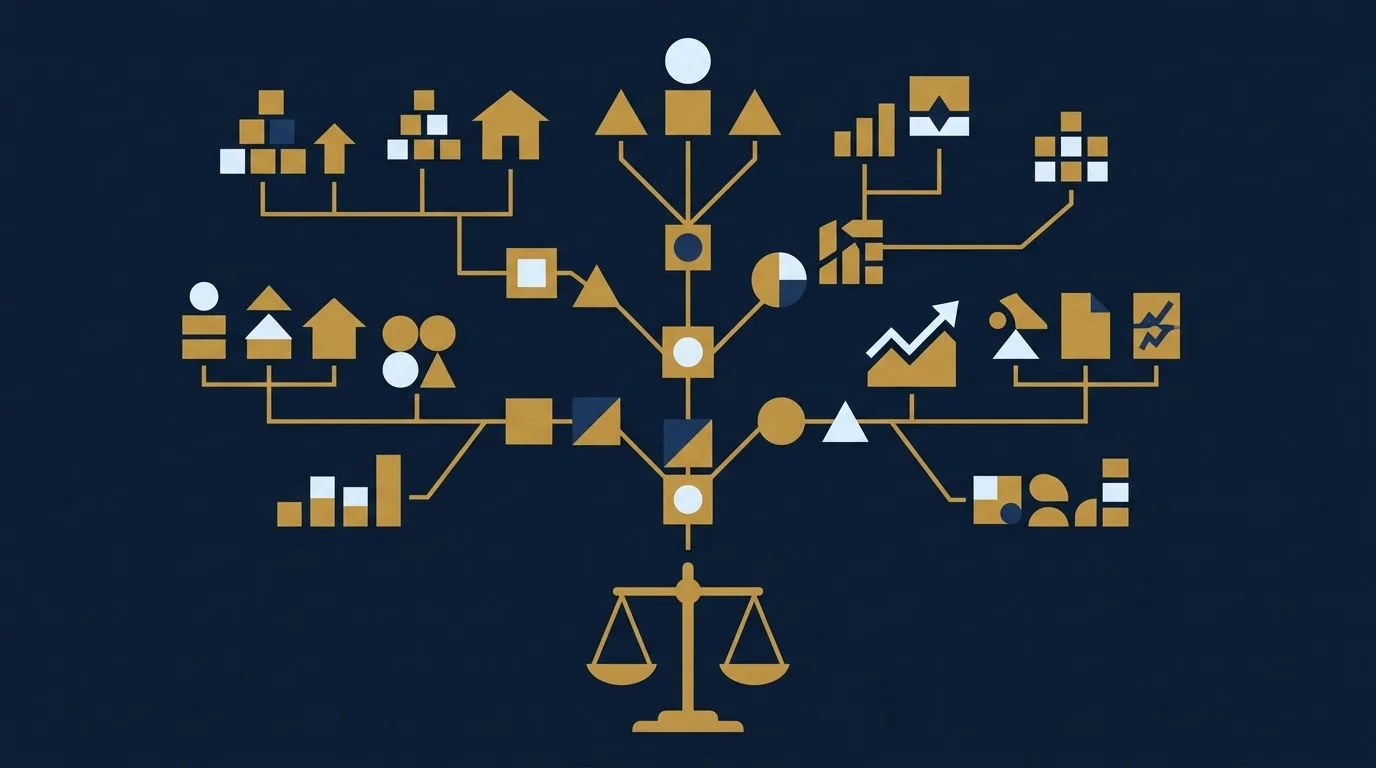
A lawsuit is a type of civil action, and a civil action is one category of the broader class of legal proceedings.

Wrongful Death Lawsuits Explained
Most states require a wrongful death lawsuit to be filed within two years of the date of death.
Personal Injury Lawsuits Explained
A personal injury lawsuit requires proving duty, breach, causation, and damages.

Medical Malpractice Lawsuits Explained
A medical malpractice lawsuit requires proof of duty, breach of the standard of care, causation, and damages.
Product Liability & Mass Tort Lawsuits Explained
A product liability lawsuit rests on three legal theories: negligence, strict liability, and breach of warranty.

Class Action Lawsuits Explained
A class action lawsuit requires a court to certify numerosity, commonality, typicality, and adequacy of representation under Rule 23(a) before it can proceed as a group case.