
What Is the Texas Mail in Voting Lawsuit?
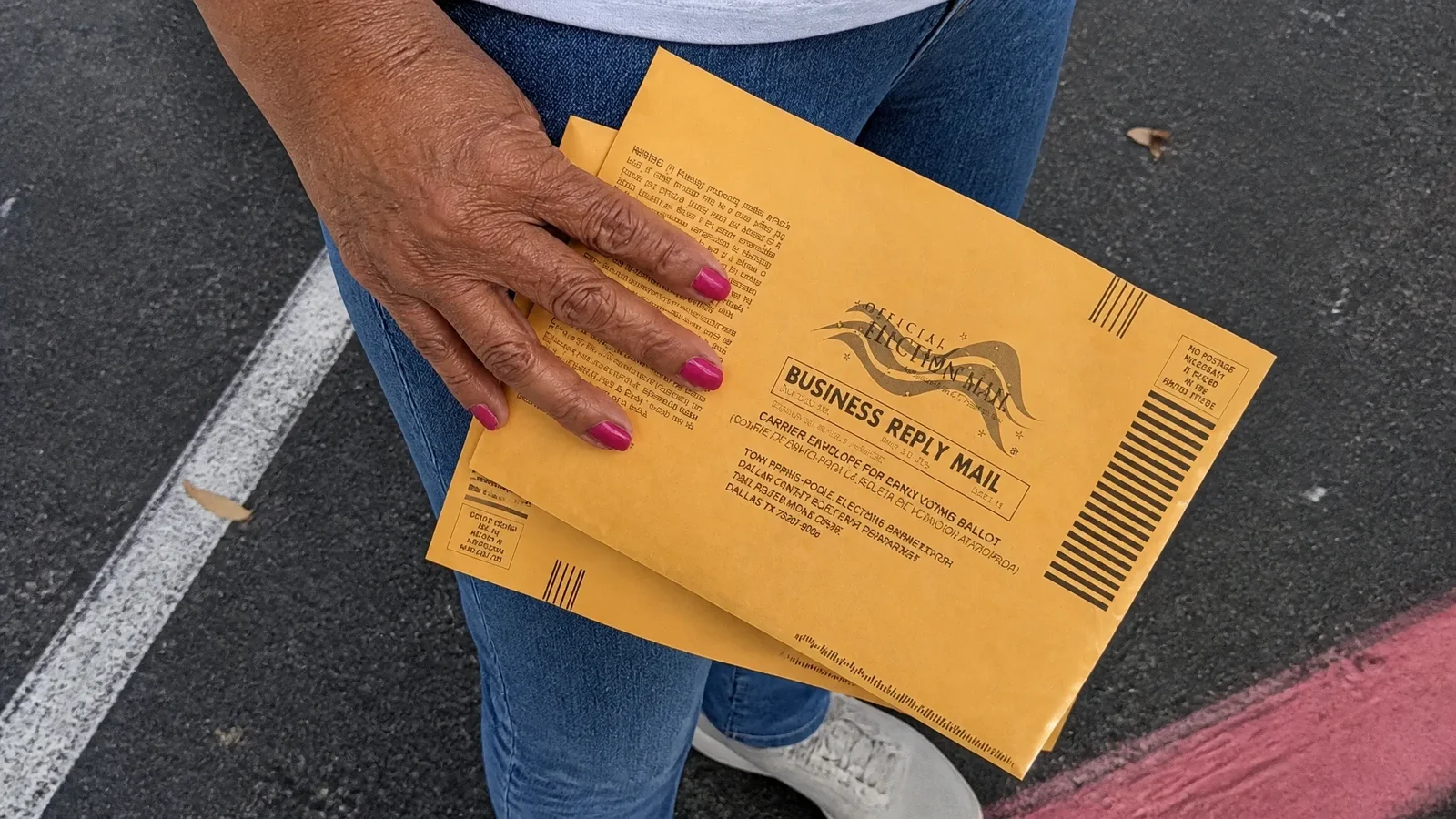
The Texas mail in voting lawsuit is a consolidated federal challenge to Texas Senate Bill 1, the Election Protection and Integrity Act of 2021. Disability and voting rights organizations filed it in the Western District of Texas. The plaintiffs argued that SB 1's mail ballot ID, ballot curing and voter assistance rules break federal disability law. The laws invoked are Title II of the ADA and section 504 of the Rehabilitation Act. The appeal is docketed as La Union del Pueblo Entero v. Abbott, No. 25-50246, in the U.S. Court of Appeals for the Fifth Circuit.
The phrase also gets used for other Texas mail ballot disputes, including the age limit on mail voting and the 2026 federal executive order on mail ballots. This page tracks the SB 1 case, and the comparison section below separates the others.
“In this case, the district court held that nine provisions of S.B. 1 were inconsistent with the Americans with Disabilities Act and the Rehabilitation Act of 1973. We disagree and reverse.”
Source: La Union del Pueblo Entero v. Abbott, No. 25-50246 (5th Cir. Aug. 12, 2026), Opinion of Judge Andrew S. Oldham, Introduction
Why Was the Texas Mail in Voting Lawsuit Filed?
The Texas mail in voting lawsuit was filed because the plaintiff organizations say SB 1 makes voting by mail harder for voters with disabilities. The Arc says the Legal Defense Fund and partners sued in 2021, just after the law passed. Their clients included Delta Sigma Theta Sorority, the Houston Area Urban League, The Arc of Texas and an election judge.
Texas lawmakers wrote SB 1 to "reduce the likelihood of fraud in the conduct of elections." The Fifth Circuit quotes that purpose from section 1.04 of the bill. The law followed Harris County's pandemic-era voting initiatives, and Texas House Democrats broke quorum in an unsuccessful attempt to stop it, according to the Texas Tribune.
Other plaintiffs in the consolidated litigation challenged different SB 1 rules, per The Arc. Those rules cover early voting, drive-thru voting, mail ballot drop-off, application mailings and poll watchers. Those claims ran on separate tracks and are not the subject of the August 2026 ruling.
What Harms Does the Texas Mail in Voting Lawsuit Allege?
The Texas mail in voting lawsuit alleges three distinct categories of harm from SB 1, all framed as disability discrimination. Each category matches a group of provisions the district court blocked. The allegations come from the plaintiffs' pleadings and testimony as described in the appellate opinion and advocacy group statements, and no court has found them proven on appeal.
Mail Ballot ID Number Matching and Curing
ID number matching means a mail ballot application or carrier envelope must carry a driver's license or Social Security number that matches the voter's registration record.
Plaintiffs say the matching rule caused rejected applications and ballots for voters with disabilities. The opinion describes a voter with paraplegia whose applications were rejected in 2022 and a legally blind voter who struggled with the online ballot tracker.
The plaintiffs also challenged the curative provisions, which let voters correct defective ballots. They argued the correction process itself was hard to use for some voters with disabilities, according to The Arc.
Restrictions on Voter Assistance
Voter assistance is help a person gives a voter to mark or return a ballot, which many voters with disabilities rely on.
SB 1 requires an assistant to sign an oath of no coercion, state a relationship to the voter and disclose any compensation from a campaign. Members of The Arc of Texas testified that the threat of criminal consequences made some assistants reluctant to help.
Texas disputes that framing and says the oath deters coercion. The court held that the plaintiffs' fear of prosecution was speculative for standing purposes.
Compensation Limits on Election Help
Compensation limits restrict paying a person for certain election activities, such as helping with mail ballots, and carry criminal penalties.
The plaintiffs challenged SB 1 sections that restrict pay for certain electioneering and ballot-related activity. They argued these limits chill paid or organized help for voters who need it.
Only this group produced a merits ruling. The court said local prosecutors enforce those rules and do not provide voting services, so the disability discrimination claim failed against them.
What Is the Current Status of the Texas Mail in Voting Lawsuit?
The current status of the Texas mail in voting lawsuit is that the Fifth Circuit reversed the district court's injunction in its entirety. The August 12, 2026 opinion restored the nine blocked provisions, so Texas can enforce them. As of November 7, 2026, no petition for rehearing or Supreme Court review of that opinion had been reported in the sources reviewed.
La Union del Pueblo Entero v. Abbott (SB 1 Disability Claims)
Judge Andrew S. Oldham wrote the 11-page opinion for a panel that also included Judges Higginbotham and Smith. The panel held that the bulk of the claims fail for lack of standing and one claim fails on the merits.
| Court | U.S. Court of Appeals for the Fifth Circuit, on appeal from the U.S. District Court for the Western District of Texas |
| Case Number | No. 25-50246 (district court Nos. 1:21-CV-780, 1:21-CV-786, 5:21-CV-844, 5:21-CV-848, 5:21-CV-920) |
| Panel | Judges Higginbotham, Smith and Oldham, opinion by Judge Oldham |
| Law Challenged | Texas Senate Bill 1 (2021), the Election Protection and Integrity Act |
| Federal Claims | ADA Title II and section 504 of the Rehabilitation Act |
| District Court Result | Permanent injunction against nine provisions, March 2025 |
| Appeal Result | Reversed in its entirety, August 12, 2026 |
| Plaintiff Groups | LUPE group, HAUL group (The Arc of Texas, Delta Sigma Theta Sorority) and REV UP Texas |
| Class Action or MDL | No |
No trial or settlement date exists because the appeal ended the injunction. Whether the plaintiffs seek further review is not confirmed in the reporting reviewed. Other tracks of the consolidated litigation have their own rulings, listed in the comparison table below.
Is There a Settlement in the Texas Mail in Voting Lawsuit?
No. There is no settlement in the Texas mail in voting lawsuit, and no damages were sought or awarded.
The plaintiffs asked for an injunction against enforcing SB 1 provisions, not money. The Fifth Circuit reversed the injunction, so the practical result favors Texas.
A related 2021 settlement exists in a different Texas voting case about online voter registration through the Department of Public Safety, according to Votebeat. That agreement does not involve SB 1 or mail ballots.
Latest Texas Mail in Voting Lawsuit Updates
The latest Texas Mail in Voting lawsuit updates and news, including new filings, rulings, and case-count reports, are tracked below as they're confirmed. Litigation in the consolidated La Union del Pueblo Entero v. Abbott litigation over Texas Senate Bill 1 remains active as of November 2026, with no bellwether trial or settlement completed. The timeline below tracks every confirmed development from the first filing forward.
Texas Mail in Voting Lawsuit Timeline
Texas Supreme Court Blocks Harris County's Mass Mailing of Mail Ballot Applications
In State v. Hollins, the Texas Supreme Court held that the Election Code does not let an early-voting clerk send mail ballot applications to voters who did not request one. The ruling ended Harris County's plan to mail applications to its roughly 2.37 million registered voters.
Fifth Circuit Upholds Texas's Age Limit on Mail Voting in Texas Democratic Party v. Abbott
The Fifth Circuit reversed a preliminary injunction and rejected a 26th Amendment challenge to Texas's rule limiting no-excuse mail voting to voters 65 and older. The decision is reported at 978 F.3d 168.
Texas Enacts SB 1 and Voting Rights Groups Sue in Federal Court
The Texas Legislature enacted SB 1, the Election Protection and Integrity Act, which added ID number matching for mail ballots and new voter assistance rules. Voting rights and disability groups sued in the Western District of Texas, and the cases were later consolidated.
District Court Blocks Nine SB 1 Provisions Under the ADA
A federal district judge permanently enjoined nine SB 1 provisions in March 2025, finding they violated the ADA. The blocked rules included the mail ballot ID number requirement and the voter assistance oath.
Fifth Circuit Stays a Separate Voting Rights Act Injunction Against SB 1 Assistance Rules
The Fifth Circuit granted a stay pending appeal of a district court injunction under section 208 of the Voting Rights Act in No. 24-50826. That track is separate from the ADA ruling reversed in August 2026.
Fifth Circuit Reverses Civil Rights Act Injunction Against the Mail Ballot ID Number Rule
In United States v. Paxton, a Fifth Circuit panel reversed a permanent injunction that rested on the Civil Rights Act of 1964. The panel held that Texas's ID number requirement is material to determining a voter's qualifications.
Supreme Court Declines Review of the SB 1 Voter Assistance Ruling
The U.S. Supreme Court denied certiorari in La Union v. Paxton, No. 25-904, and OCA-Greater Houston v. Paxton, No. 25-916. Both petitions challenged a Fifth Circuit ruling that reversed a section 208 injunction against SB 1.
Federal Judge in Boston Again Blocks the Postal Service From Implementing Trump's Mail Ballot Order
Judge Indira Talwani issued a preliminary injunction in a League of Women Voters case against the March 2026 executive order on mail ballots. That order is a separate federal proceeding and is not part of the SB 1 case.
Fifth Circuit Reverses the SB 1 ADA Injunction in Its Entirety
The Fifth Circuit reversed the March 2025 permanent injunction in No. 25-50246, holding that most plaintiff claims lack standing and one fails on the merits. The ruling restored SB 1's ID number matching, curing and voter assistance rules for the November 2026 election.
Travis County Joins a Federal Suit Against Trump's Mail Ballot Executive Order
Travis County joined a federal lawsuit challenging the executive order that would limit Postal Service delivery of mail ballots, KUT reported. The suit, also joined by the city of Madison, Wisconsin, LULAC and other groups, is separate from the SB 1 case.
What Evidence Matters in the Texas Mail in Voting Lawsuit?
The evidence that matters in the Texas mail in voting lawsuit is testimony about specific voters and data on rejected mail ballots. The Fifth Circuit decided the ID number challenge on whether named members faced a substantial risk of future harm.
The court noted that rejections caused by missing or mismatched ID numbers fell from 11 or 12 percent to 2.7 percent in eight months. It credited election officials' testimony that the numbers should keep declining as the state's database improves.
The court also noted that the voters it discussed had since learned how to complete the forms. Plaintiffs counter that these rejections occurred at all and that voters with disabilities described inaccessible correction systems, according to The Arc.
Who Are the Parties in the Texas Mail in Voting Lawsuit?
The parties in the Texas mail in voting lawsuit are voting and disability organizations suing Texas officials. The caption lists the plaintiff groups as appellees and the state officials and Republican committees as appellants.
| Party | Role |
|---|---|
| La Union del Pueblo Entero, Southwest Voter Registration Education Project, MABA Texas, Texas Impact, JOLT Action, FIEL Houston and others | Plaintiffs (LUPE group) |
| The Arc of Texas and Delta Sigma Theta Sorority, Inc. | Plaintiffs (HAUL group) |
| REV UP Texas | Plaintiff (OCA group) |
| Governor Greg Abbott, Secretary of State Jane Nelson, Attorney General Ken Paxton, State of Texas | Defendants |
| Harris County Republican Party, Dallas County Republican Party, National Republican Senatorial Committee, Republican National Committee | Intervenor defendants and movant |
These roles come from the Fifth Circuit's caption. Local election officials in Bexar, Harris, Dallas and El Paso counties were also named defendants in the district court.
How Does the Texas Mail in Voting Lawsuit Compare to Related Cases?
The Texas mail in voting lawsuit is one of several separate disputes about mail ballots in Texas. Each has its own court, claim and result, and none merges into the SB 1 disability case.
| Matter | Issue | Result |
|---|---|---|
| La Union del Pueblo Entero v. Abbott, No. 25-50246 (this case) | SB 1 ID number, curing and assistance rules under the ADA | Injunction reversed, August 12, 2026 |
| United States v. Paxton, 148 F.4th 335 (5th Cir. 2025) | ID number rule under the Civil Rights Act of 1964 | Injunction reversed in 2025 |
| La Union del Pueblo Entero v. Abbott, 151 F.4th 273 (5th Cir. 2025) | SB 1 assistance rules under section 208 of the Voting Rights Act | Injunction reversed, certiorari denied June 29, 2026 |
| Texas Democratic Party v. Abbott, 978 F.3d 168 (5th Cir. 2020) | Age limit on mail voting under the 26th Amendment | Texas law upheld |
| State v. Hollins, 620 S.W.3d 400 (Tex. 2020) | Mass mailing of mail ballot applications by Harris County | Mailing blocked |
| Trump mail ballot executive order suits, including the one Travis County joined | Postal Service delivery limits for mail ballots, March 2026 order | Pending, with injunctions in some cases |
Only the first row is the case this page tracks. The Texas Supreme Court's Hollins decision rested on the Election Code, and the Fifth Circuit's rulings rest on federal statutes and the Constitution. The executive order suits turn on presidential authority over elections.
Frequently Asked Questions
What is the Texas mail in voting lawsuit about?
The Texas mail in voting lawsuit is about whether Texas Senate Bill 1's mail ballot ID, curing and voter assistance rules violate the Americans with Disabilities Act. The Fifth Circuit reversed a district court injunction against nine provisions on August 12, 2026.
Is the Texas mail in voting lawsuit a class action or MDL?
No. The Texas mail in voting lawsuit is a set of consolidated cases brought by organizations, not a class action or multidistrict litigation. No class of claimants exists to join, and the plaintiffs seek no damages.
Has the Texas mail in voting lawsuit settled?
The Texas mail in voting lawsuit has not settled. The plaintiffs sought an injunction, and the Fifth Circuit reversed it in its entirety in August 2026.
Did the court decide the ADA claims were wrong on the merits?
The court decided the ADA claims mostly on standing, not on the merits. It held that most claims fail for lack of standing and that one claim, against local prosecutors, fails on the merits.
Who can vote by mail in Texas under the law at issue?
Texas allows voters 65 or older and voters who qualify because of a disability, among other groups, to vote by mail. Mail voters must provide an ID or Social Security number that matches state records, which the Fifth Circuit's ruling made enforceable again.
Is the Texas mail in voting lawsuit the same as the lawsuit over Trump's mail ballot executive order?
No. The Texas mail in voting lawsuit challenges a 2021 state law, while the lawsuit Travis County joined in August 2026 challenges a March 2026 federal executive order. The two cases involve different courts, defendants and legal theories.