What Is the Starbucks Lawsuit?
The Starbucks lawsuit is a group of consumer class actions against Starbucks Corporation alleging its coffee marketing deceives customers, centered on Williams et al. v. Starbucks Corporation, filed January 13, 2026, in the U.S. District Court for the Western District of Washington.
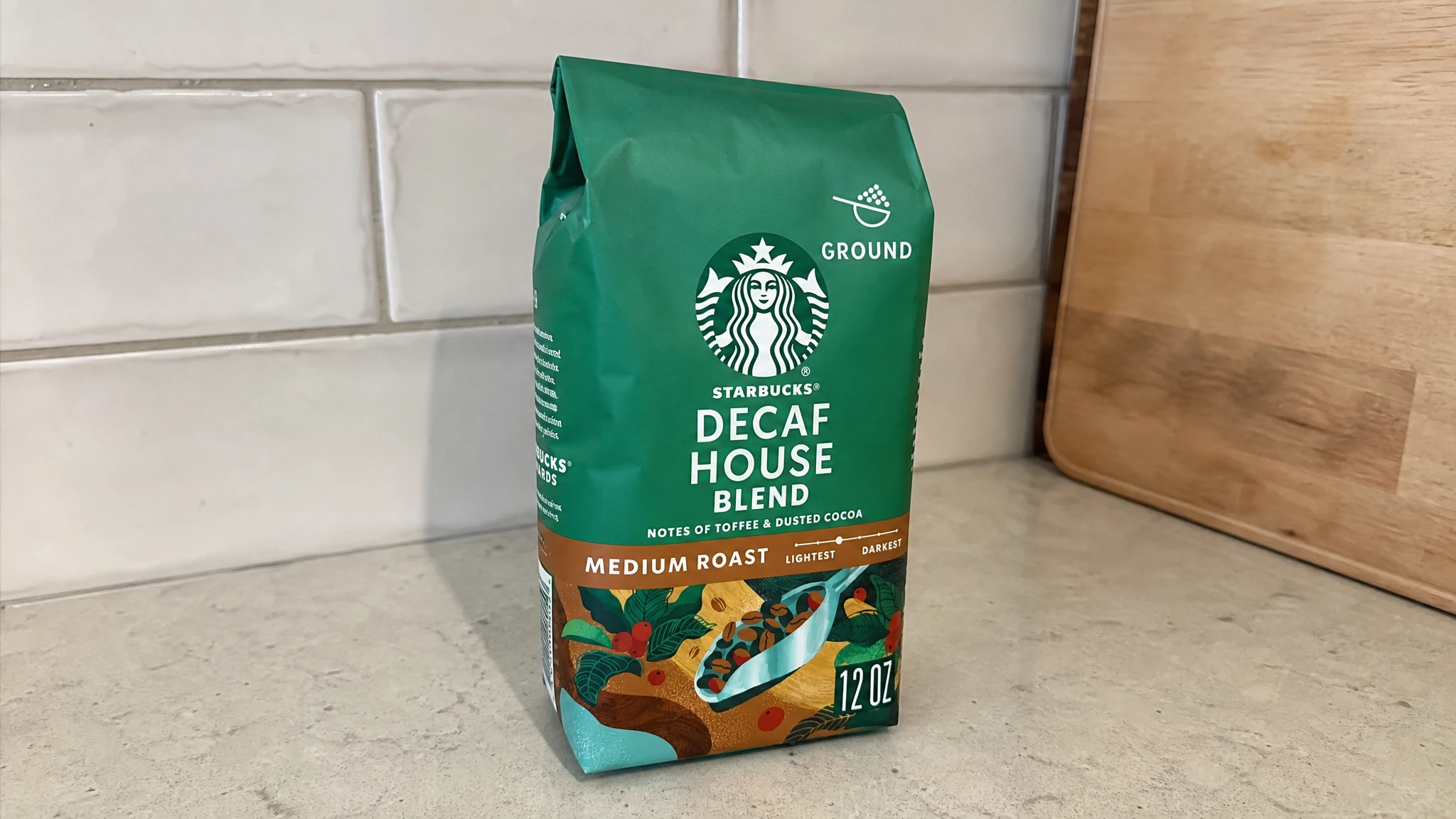
The complaint, brought by Hagens Berman on behalf of named plaintiffs Jennifer Williams and David Strauss, pleads two separate theories: that Starbucks' 'Committed to 100% Ethical Coffee Sourcing' claim misleads consumers given documented labor abuses at farms certified under its own C.A.F.E. Practices program, and that Starbucks omits from its labeling that its Decaf House Blend Medium Roast coffee contains detectable industrial solvents. A related but legally distinct 2024 suit by the National Consumers League and a 2026 British Columbia class action raise similar ethical-sourcing theories in separate courts.
Starbucks Corporation is the named defendant in every proceeding described on this page. It disputes the allegations and says the safety and quality of its coffee meet applicable standards.
Why Are People Filing Starbucks Lawsuits?
People are filing Starbucks lawsuits over coffee marketing because plaintiffs allege the company's front-of-package claims do not match what independent testing and years of documented farm conditions actually show.
The Williams complaint alleges that despite Starbucks' packaging stating it is 'Committed to 100% Ethical Coffee Sourcing,' investigations by journalists, labor organizations, and human-rights monitors have documented farms certified under the C.A.F.E. Practices program engaging in labor abuses, including dangerous working conditions and violations of local labor laws. The complaint cites a 2022 Brazilian government complaint against Cooxupé, a cooperative accounting for 40% of Starbucks' Brazilian coffee supply, over conditions described as analogous to slavery, and a 2018 finding of 'degrading working conditions' at the C.A.F.E.-certified Fartura farm.
The second theory is separate: the complaint alleges Starbucks' claim that its coffee consists of '100% Arabica coffee' omits that its Decaf House Blend Medium Roast contains detectable levels of methylene chloride, benzene, and toluene, introduced during decaffeination and manufacturing. Plaintiffs argue consumers who buy decaf for health, pregnancy, or sensitivity reasons would want that disclosed.
The 2024 National Consumers League suit, which survived a motion to dismiss in August 2025, alleges the same underlying pattern of ethical-sourcing abuses and is treated by legal commentators as a predecessor supporting the 2026 class action's theory.
What Injuries Are Included in the Starbucks Lawsuit?
The Starbucks lawsuit alleges two distinct categories of harm: paying a premium price based on ethical-sourcing claims the complaint says are false, and unknowingly consuming chemicals the complaint says were never disclosed. Each is defined in plain language below, followed by what the complaint specifically alleges. Starbucks disputes both theories.
Deceptive Ethical-Sourcing Premium
An ethical-sourcing premium claim, in this context, is a marketing statement telling consumers a product's supply chain meets a stated labor or human-rights standard, which consumers may rely on when deciding to buy or what price to pay.
The complaint alleges Starbucks charges a premium built in part on its claim to be 'Committed to 100% Ethical Coffee Sourcing,' while its own C.A.F.E. Practices-certified farms have repeatedly been linked to labor-law violations, including a 2022 Brazilian government complaint against its largest Brazilian supplier and a 2018 investigation describing 'degrading working conditions' at a certified farm. Starbucks disputes that its certification program amounts to a guarantee that violations can never occur.
Undisclosed Chemicals in Decaf Coffee
A volatile organic compound (VOC), in this context, is a chemical substance that evaporates easily and, depending on the compound, may carry health risks at elevated levels of human exposure.
The complaint alleges independent testing of Starbucks Decaf House Blend Medium Roast coffee, facilitated by plaintiffs' counsel, detected methylene chloride, benzene, and toluene, none of which Starbucks discloses on a product it markets as '100% Arabica coffee.' The complaint states methylene chloride was found at 22 parts per billion, benzene at 28 parts per billion (23 parts per billion above the EPA's safety threshold), and toluene at 87 parts per billion. Starbucks disputes the health significance of the testing and says its coffee meets applicable safety standards.
Who Qualifies for the Starbucks Lawsuit?
You may qualify if:
- You purchased Starbucks packaged coffee products, particularly Decaf House Blend, in Washington or New York on or after January 1, 2016, while relying on Starbucks' ethical-sourcing marketing
- You believe you paid a premium price for Starbucks coffee because of its 'ethically sourced' or '100% Arabica' claims
You may not qualify if:
- You did not purchase Starbucks coffee products during the relevant period, or purchased only prepared beverages in-store rather than packaged coffee
- You are outside the proposed Washington and New York classes and outside the separate proposed British Columbia class
No class has been certified in Williams v. Starbucks as of this writing, so eligibility described here reflects the complaint's proposed class definition, not a confirmed class. Only a court, or an attorney reviewing your specific purchase records, can confirm whether you currently qualify.
What Is the Current Status of the Starbucks Lawsuit?
The current status of the Starbucks lawsuit is active pretrial litigation in the lead federal case, with two related proceedings, the 2024 National Consumers League suit and a 2026 British Columbia class action, moving on their own separate tracks.
Williams et al. v. Starbucks Corporation
Jennifer Williams and David Strauss filed this proposed class action January 13, 2026, in the Western District of Washington, before Judge Kymberly K. Evanson. The complaint was amended April 23, 2026, and Starbucks was permitted to file a renewed motion to dismiss, with briefing continuing through July 2026. As of August 3, 2026, no publicly reported ruling on that motion had issued, and no class has been certified.
| Proceeding Type | Federal consumer class action |
| Court | U.S. District Court, Western District of Washington |
| Case Number | 2:26-cv-00112 |
| Judge | Hon. Kymberly K. Evanson |
| Named Plaintiffs | Jennifer Williams, David Strauss |
| Filed | January 13, 2026 |
| Amended Complaint | April 23, 2026 |
| Stage | Renewed motion to dismiss briefed through July 2026, no ruling reported as of August 3, 2026 |
National Consumers League v. Starbucks Corporation
The National Consumers League filed this separate suit January 10, 2024, in the Superior Court of the District of Columbia, alleging the same 'ethically sourced' claims are false and deceptive. The suit survived a motion to dismiss in August 2025, with the court finding the false-advertising claims plausible, a ruling later cited to support the 2026 Williams filing.
| Proceeding Type | DC consumer-protection lawsuit |
| Court | Superior Court of the District of Columbia |
| Plaintiff | National Consumers League |
| Filed | January 10, 2024 |
| Motion to Dismiss | Denied August 2025 |
British Columbia Class Action
A proposed class action was filed in the British Columbia Supreme Court in July 2026 on behalf of Canadian Starbucks customers, alleging deceptive marketing under B.C.'s consumer protection laws over the same ethical-sourcing claims raised in the Washington case. It is a separate, Canadian proceeding, not part of the U.S. federal case.
| Proceeding Type | Canadian proposed class action |
| Court | Supreme Court of British Columbia |
| Filed | July 2026 |
| Basis | B.C. consumer protection statute, ethical-sourcing marketing claims |
Did Starbucks Settle the Lawsuit, and What Did It Pay?
No, Starbucks has not settled Williams v. Starbucks or the related National Consumers League and British Columbia cases, and no payout amount has been agreed to in any of them. The case remains in pretrial motion practice, with class certification and any resolution likely years away.
No settlement exists for this case as of this writing. Any site or advertisement claiming a Starbucks coffee settlement claim can be filed today is describing a different, older matter or is inaccurate.
Consumer false-advertising class settlements, when they do occur, typically pay individual claimants small amounts, often in the $5 to $50 range, rather than the large per-person figures sometimes suggested by lawsuit-advertising sites.
Starbucks Lawsuit Updates
Here is the current status of the Starbucks lawsuit, updated with new filings, rulings, and settlement developments as they're confirmed.
Full Starbucks Lawsuit Timeline
No Ruling Yet on Starbucks' Renewed Motion to Dismiss
As of August 3, 2026, no publicly reported decision had issued on Starbucks' renewed motion to dismiss the amended Williams complaint, and the case remains pending in the Western District of Washington.
Dismissal Briefing Concludes in Williams v. Starbucks
Briefing on Starbucks' renewed motion to dismiss the amended complaint continued through July 2026, with Starbucks arguing plaintiffs have not established actionable deception or a legally sufficient injury.
British Columbia Class Action Filed Against Starbucks
A proposed class action was filed in the Supreme Court of British Columbia on behalf of Canadian consumers, raising the same ethical-sourcing marketing allegations as the Washington federal case.
Plaintiffs Amend the Williams Complaint
Jennifer Williams and David Strauss filed an amended complaint against Starbucks Corporation on April 23, 2026, after which Starbucks was permitted to file a renewed motion to dismiss.
Starbucks Publicly Disputes the New Lawsuit's Allegations
Starbucks spokesperson Leandro Cavinato Herrera said the company takes the Williams and Strauss allegations seriously but believes they are inaccurate and misrepresent its sourcing practices and its C.A.F.E. Practices program.
Hagens Berman Files Williams v. Starbucks Corporation
Jennifer Williams and David Strauss filed a proposed class action against Starbucks Corporation in the Western District of Washington, alleging deceptive ethical-sourcing marketing and undisclosed VOCs in Decaf House Blend coffee.
National Consumers League Suit Survives Motion to Dismiss
A DC Superior Court judge denied Starbucks' motion to dismiss the National Consumers League's 2024 ethical-sourcing suit, finding the false-advertising claims plausible and setting precedent later cited in the Williams filing.
National Consumers League Sues Starbucks Over Ethical-Sourcing Claims
The National Consumers League filed suit in DC Superior Court alleging Starbucks' '100% ethical' coffee and tea sourcing claims are false, citing labor abuses at certified farms including in Brazil, Kenya, and Guatemala.
How to File a Starbucks Lawsuit
Follow these 4 steps to file a Starbucks lawsuit.
- Confirm your purchase history: Gather receipts or account records showing you bought Starbucks packaged coffee, particularly Decaf House Blend, since eligibility for any future class depends on documented purchases during the relevant period.
- Watch for a certified class or settlement notice: No class has been certified and no settlement exists in Williams v. Starbucks as of this writing; eligible purchasers would ordinarily receive direct notice if the court certifies a class or approves a settlement.
- Consult a consumer-protection attorney: An attorney evaluating a potential claim can confirm whether your purchases and state of residence fit the proposed class definitions across the Washington, DC, and British Columbia proceedings.
- Avoid sites claiming you can file a payout claim now: No claim form or payout exists for this case yet; a site suggesting otherwise is describing an unrelated matter or is not accurate.
Answer a few questions and a case reviewer will follow up. Free, no obligation.
A case reviewer will follow up soon.
What Did Starbucks Allegedly Know About Its Coffee Sourcing and Decaf Chemicals?
The complaint alleges Starbucks knew, or should have known, about both issues well before the lawsuits were filed. On sourcing, it alleges Starbucks was repeatedly notified of labor-law violations at C.A.F.E. Practices-certified farms and continued sourcing from those suppliers without disclosing the problems to consumers. Starbucks disputes this characterization.
The complaint cites a 2022 Brazilian government complaint against Cooxupé, a cooperative supplying 40% of Starbucks' Brazilian coffee, over conditions it describes as analogous to slavery, and a 2018 investigation finding 'degrading working conditions' at the certified Fartura farm. On the decaf claim, Starbucks has said it takes the allegations seriously but believes they are inaccurate and misrepresent the integrity of its C.A.F.E. Practices program, and that its coffee meets or exceeds applicable safety standards.
How Does the Starbucks Lawsuit Compare to Other Starbucks Cases?
Starbucks faces several separate, unrelated lawsuits that are often confused with the 2026 ethical-sourcing and decaf case described on this page. None of the cases below involve the same claims as Williams v. Starbucks, even though they share the same defendant.
| Case | What It's About | Relation to This Lawsuit |
|---|---|---|
| 2025 Dress-Code Reimbursement Suits (Illinois, Colorado) | Workers allege Starbucks changed its dress code without reimbursing employees for required new clothing | Separate employment matter, not a consumer class action |
| 2022 Refreshers 'No Real Fruit' Suit | Alleged Starbucks Refreshers were falsely marketed as containing real fruit | Largely dismissed; unrelated product and claim |
| Postmates Hot-Tea Verdict | A $50 million jury verdict over a spilled hot beverage injuring a delivery driver | A personal-injury verdict, not a class action or sourcing claim |
Frequently Asked Questions
What is the Starbucks lawsuit about?
The Starbucks lawsuit centers on Williams v. Starbucks Corporation, a proposed class action alleging Starbucks deceptively markets its coffee as '100% Ethical Coffee Sourcing' despite documented labor abuses, and fails to disclose that its Decaf House Blend contains detectable industrial chemicals.
Is the Starbucks lawsuit a class action?
Yes, Williams v. Starbucks is a proposed federal class action, though no class has been certified as of this writing. A related but distinct suit brought by the National Consumers League is a government-style consumer-protection case, not a private class action.
Who is the defendant in the Starbucks lawsuit?
Starbucks Corporation is the named defendant in every proceeding described on this page and disputes the allegations, arguing its C.A.F.E. Practices program is a continuing verification system rather than a guarantee against every violation.
Did Starbucks settle the lawsuit?
No, Starbucks has not settled Williams v. Starbucks or the related National Consumers League and British Columbia cases, and no payout amount has been agreed to in any of them as of this writing.
Can I join the Starbucks class action?
Not yet. No class has been certified in Williams v. Starbucks, so there is no claim to join today; eligible purchasers would ordinarily receive notice if the court later certifies a class or approves a settlement.
What chemicals were allegedly found in Starbucks decaf coffee?
The complaint alleges independent testing of Starbucks Decaf House Blend Medium Roast detected methylene chloride, benzene, and toluene, volatile organic compounds the complaint says Starbucks does not disclose on a product marketed as '100% Arabica coffee.'
Is the Starbucks lawsuit the same as the dress-code lawsuit?
No, the dress-code lawsuits are separate 2025 employment cases in Illinois and Colorado over reimbursement for required clothing, unrelated to the ethical-sourcing and decaf-chemical claims described on this page.