
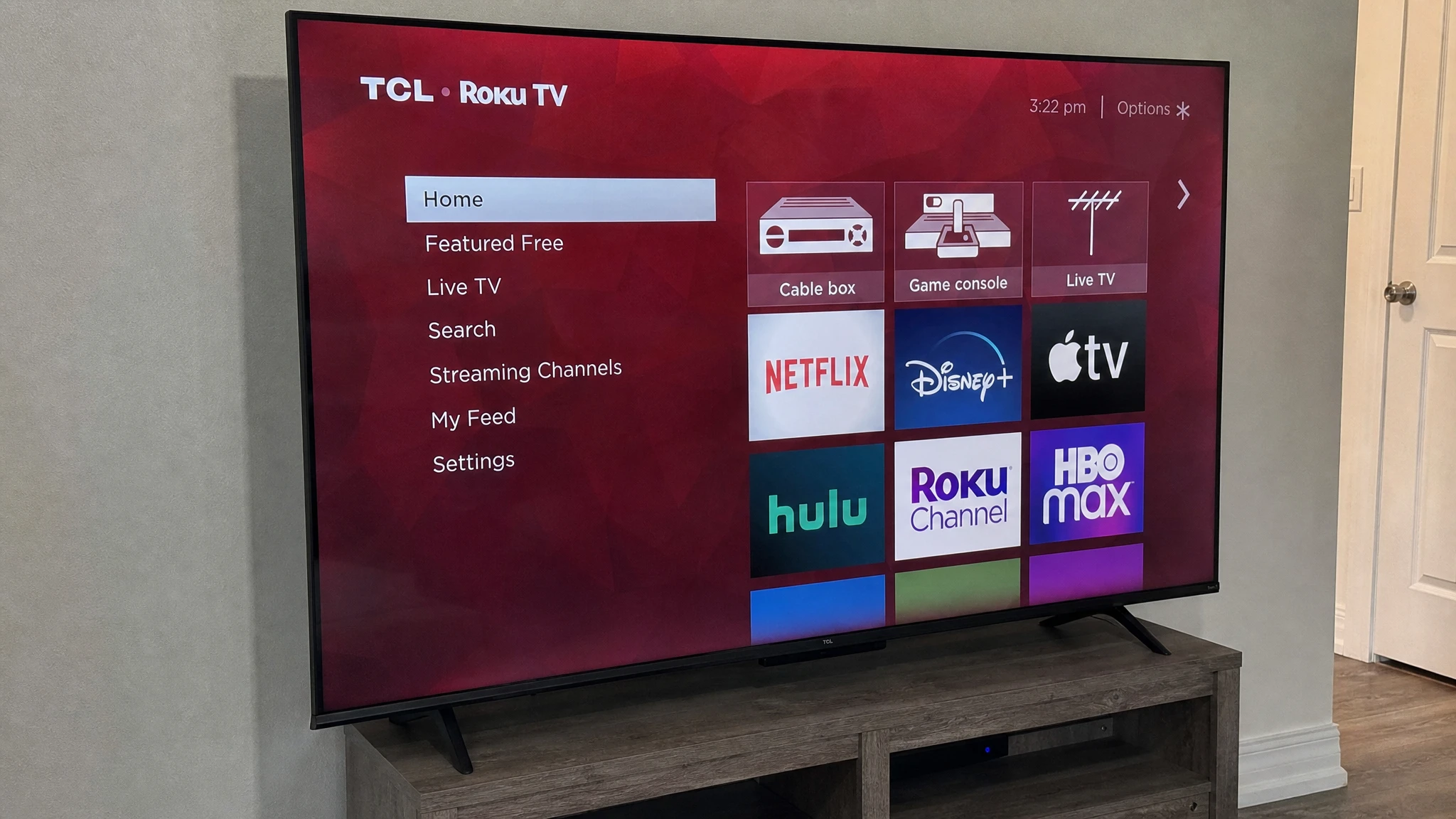
What Is the Roku and TCL Lawsuit?
The Roku and TCL lawsuit is a federal class action over a smart TV software defect, not a personal-injury case, brought against Roku, Inc. and TTE Technology, Inc., doing business as TCL North America.
The case, captioned Terri Else v. Roku, Inc. et al. (Case No. 8:26-cv-00748), was filed March 27, 2026 in the U.S. District Court for the Central District of California, before Judge Monica Ramirez Almadani. Lead plaintiff Terri Else alleges automatic software updates pushed to Roku-powered televisions corrupted core system functions, leaving affected sets unable to boot, stuck on a black screen, frozen in restart loops, or disconnected from Wi-Fi.
Neither Roku nor TCL has been found liable. A Roku spokesperson has said the company believes the claims are meritless, and the case remains in early pretrial proceedings with no class certified yet.
Why Are People Filing Roku and TCL Lawsuits?
People are filing Roku and TCL lawsuits because plaintiffs allege both companies knew their software updates were disabling smart TVs and kept distributing those updates without an adequate fix. The dispute centers on a software defect, not a claimed physical injury.
According to the complaint and contemporaneous news coverage, the updates at issue were pushed to Roku Select Series and Plus Series televisions, along with TCL 3-, 4-, 5-, and 6-Series televisions running the Roku TV platform, purchased on or after December 16, 2024. The lawsuit alleges the updates “materially degraded the performance of the devices,” in some cases rendering them effectively unusable, and that Roku and TCL continued rolling out the updates despite widespread customer complaints already visible on their own support forums.
The complaint pleads breach of express warranty, violation of California's Unfair Competition Law, and violation of California's Consumers Legal Remedies Act, arguing the televisions were marketed as improving over time through automatic updates rather than being degraded by them.
What Injuries Are Included in the Roku and TCL Lawsuit?
The Roku and TCL lawsuit alleges four distinct categories of harm, each defined in plain language below, followed by what the complaint specifically claims. Roku and TCL have not been found liable for any of these allegations.
Device Boot Failure
A boot failure, in this context, is a device that cannot complete its normal startup sequence and never reaches a usable screen after being powered on.
The complaint alleges some affected Roku and TCL televisions failed to power on or complete startup at all after installing the disputed software update, a condition commonly described in news coverage as the television being “bricked.”
Black Screen Display Failure
A black screen display failure is a device that powers on and appears to be running but produces no visible picture on the screen.
Plaintiffs allege some updated televisions powered on normally but displayed only a black screen, with no menu, app, or input signal visible despite the device otherwise appearing to be running.
Freezing and Restart Loops
A restart loop is a repeating cycle in which a device restarts on its own before a user can finish using it, without ever remaining on and responsive.
The complaint alleges the software update caused some televisions to freeze mid-use or enter a cycle of repeated, unprompted restarts, preventing normal use of apps or live TV.
Lost Wi-Fi Connectivity
Lost Wi-Fi connectivity, in this context, is a device that can no longer maintain a stable wireless internet connection needed to stream content.
Plaintiffs allege some affected televisions disconnected from home Wi-Fi networks after the update and could not reliably reconnect, cutting off access to streaming apps and the Roku TV platform's own features.
Who Qualifies for the Roku and TCL Lawsuit?
You may qualify if:
- You purchased a Roku Select Series or Roku Plus Series television, or a TCL 3-, 4-, 5-, or 6-Series television running the Roku TV platform, on or after December 16, 2024
- Your television experienced boot failure, a black screen, freezing or restart loops, or lost Wi-Fi connectivity after a software update
You may not qualify if:
- You purchased an affected model before December 16, 2024, outside the complaint's described purchase window
- You own a television model not named in the complaint, or a non-Roku-platform TCL television
This summary describes who the complaint describes as potential class members. No class has been certified yet, and only a qualified attorney reviewing your purchase and device history can confirm whether you are eligible to participate.
What Is the Current Status of the Roku and TCL Lawsuit?
The Roku and TCL lawsuit is an active federal class action in early pretrial proceedings. No class has been certified and no settlement has been reached as of the most recent available court activity.
Terri Else v. Roku, Inc. et al.
Lead plaintiff Terri Else filed the proposed class action in the U.S. District Court for the Central District of California on March 27, 2026, assigned to Judge Monica Ramirez Almadani. The complaint seeks to represent a nationwide class of purchasers of the named Roku and TCL television models, plus a California subclass of residents who bought a qualifying model on or after December 16, 2024. As of the most recent available coverage, in early September 2026, court records show no class certification motion decided and no hearings scheduled, consistent with a case still in its early pretrial stage.
| Proceeding Type | Federal class action, consumer product defect |
| Court | U.S. District Court for the Central District of California |
| Case Number | 8:26-cv-00748 |
| Judge | Hon. Monica Ramirez Almadani |
| Filed | March 27, 2026 |
| Defendants | Roku, Inc.; TTE Technology, Inc. d/b/a TCL North America |
| Class Certification | Not yet decided |
| Settlement | None reached |
How Much Is the Roku and TCL Lawsuit Worth?
No settlement has been reached in the Roku and TCL lawsuit, and no fixed dollar figure has been publicly set, since the case has not progressed past its early pretrial stage.
Because no settlement exists yet and no class has been certified, there is no verified payout amount to report. The complaint seeks declaratory and injunctive relief, actual damages, statutory damages, and restitution of the purchase price, but what any individual claimant might eventually recover, if the case settles or succeeds at trial, cannot be estimated this early and depends on facts specific to each purchase.
A Roku spokesperson has said the company believes the claims in the lawsuit are meritless, which means the case could still be narrowed, dismissed in part, or contested through trial rather than resolved by settlement.
Latest Roku and TCL Lawsuit Updates
Here is the current status of the Roku and TCL lawsuit, updated with the case's key filings and developments as they were confirmed.
Roku and TCL Lawsuit Timeline
Case Remains in Early Pretrial Stage, No Hearings Scheduled
Court records reviewed in early September 2026 show the Roku and TCL lawsuit remains open with no class certification motion decided and no hearings yet scheduled, consistent with a case still in its initial pretrial phase roughly five months after filing.
Lawsuit Draws Wide Consumer and Tech Press Coverage
Coverage of the Else v. Roku and TCL complaint spread across technology and consumer outlets in early May 2026, after plaintiffs' counsel described the update defect publicly and a Roku spokesperson responded that the company believes the claims are meritless.
Terri Else Files Class Action Against Roku and TCL
Terri Else filed the case that became Terri Else v. Roku, Inc. et al. (Case No. 8:26-cv-00748) in the U.S. District Court for the Central District of California, alleging defective software updates damaged Roku-powered televisions sold by Roku and TCL.
How to File a Roku and TCL Lawsuit
Here are the 4 steps to file a Roku and TCL lawsuit.
- Document the defect: Take photos or video of the affected television's black screen, freezing, restart loop, or failure to power on, and note when the problem began relative to any recent software update.
- Save your proof of purchase: Locate your receipt, order confirmation, or warranty registration showing the purchase date and television model, since the complaint's described class period begins December 16, 2024.
- Check whether your model is named in the case: The complaint describes Roku Select Series, Roku Plus Series, and TCL 3-, 4-, 5-, and 6-Series televisions running the Roku TV platform; a different model may not currently be covered.
- Consult a consumer-protection or class-action attorney: A qualified attorney can confirm whether your purchase and device history fit the case as currently filed, and advise on next steps while no class has been certified yet.
Answer a few questions and a case reviewer will follow up. Free, no obligation.
A case reviewer will follow up soon.
What Evidence Do I Need for a Roku and TCL Lawsuit?
Documentation that typically supports a claim like this includes a dated receipt or order history showing the purchase date and exact model number, screenshots or video of the black screen, freeze, restart loop, or boot failure, and any record of the software update notification or its installation date, such as a settings-menu update history where the television still powers on enough to display one.
What Did Roku and TCL Allegedly Know About the Update Defect?
Plaintiffs allege Roku and TCL knew customers were reporting widespread device failures on their own support forums and continued distributing the software updates without an adequate fix. Neither company has been found liable, and Roku has said publicly that it believes the claims are meritless.
Roku, Inc. and TTE Technology, Inc., doing business as TCL North America, are the named defendants. The complaint alleges both companies marketed Roku-powered televisions as devices that would improve over time through automatic software updates, while the specific updates at issue instead degraded device performance for a documented group of purchasers.
How Does the Roku and TCL Lawsuit Compare to Other Roku and TCL Cases?
Roku and TCL have each faced other, legally distinct cases that are sometimes confused with this software-defect lawsuit because they involve the same companies. None of the cases below are part of Terri Else v. Roku, Inc. et al.
In December 2025, the Texas Attorney General sued five television manufacturers, including TCL, Sony, Samsung, LG, and Hisense, over automatic content recognition technology the state alleges collects viewing data without adequate consumer disclosure. That case does not name Roku and does not involve the software update defect described here. Separately, Roku faced a 2024 consumer backlash, not a filed class action in this set, after requiring users to accept new arbitration terms before continuing to use their devices. Roku has also faced children's-privacy enforcement actions from state attorneys general, including Michigan, over how its platform processes data from child viewers, a distinct legal theory from this case's product-defect and warranty claims.
| Case | Defendant(s) | Core Allegation | Status |
|---|---|---|---|
| Terri Else v. Roku, Inc. et al. (this case) | Roku, Inc.; TTE Technology, Inc. (TCL) | Software update bricked or degraded smart TVs | Pending, filed March 2026 |
| Texas v. TCL, Sony, Samsung, LG, Hisense | TCL and four other TV makers | Undisclosed automatic content recognition data collection | Pending, filed December 2025 |
| Roku children's-privacy enforcement actions | Roku, Inc. | Improper processing of children's data | Separate state enforcement actions |
Frequently Asked Questions
What is the Roku TCL lawsuit about?
The Roku TCL lawsuit is a federal class action, Terri Else v. Roku, Inc. et al., alleging automatic software updates corrupted core system functions on Roku and TCL smart TVs, causing boot failures, black screens, freezing, and lost Wi-Fi connectivity. Roku and TCL have not been found liable.
Is the Roku TCL lawsuit a class action?
Yes. The case was filed as a proposed class action in the U.S. District Court for the Central District of California, Case No. 8:26-cv-00748, seeking to represent a nationwide class plus a California subclass, though no class has been certified yet.
Which Roku and TCL TV models are included in the lawsuit?
The complaint names Roku Select Series and Roku Plus Series televisions, along with TCL 3-, 4-, 5-, and 6-Series televisions running the Roku TV platform, purchased on or after December 16, 2024.
Has the Roku TCL lawsuit settled?
No. As of the most recent available court activity, in early September 2026, no settlement has been reached and no class has been certified. The case remains in early pretrial proceedings.
How much is the Roku TCL lawsuit worth?
No settlement or verdict amount exists yet, so no payout figure can be reported. The complaint seeks actual damages, statutory damages, and restitution of the purchase price, but any eventual recovery depends on how the case proceeds.
Is the Texas lawsuit against TCL the same as the Roku TCL lawsuit?
No. The Texas Attorney General's lawsuit against TCL, along with Sony, Samsung, LG, and Hisense, concerns automatic content recognition data collection, a separate case that does not name Roku and does not involve the software update defect described in Terri Else v. Roku, Inc. et al.