
What Is the Public Goods Practice SAVE Lawsuit?
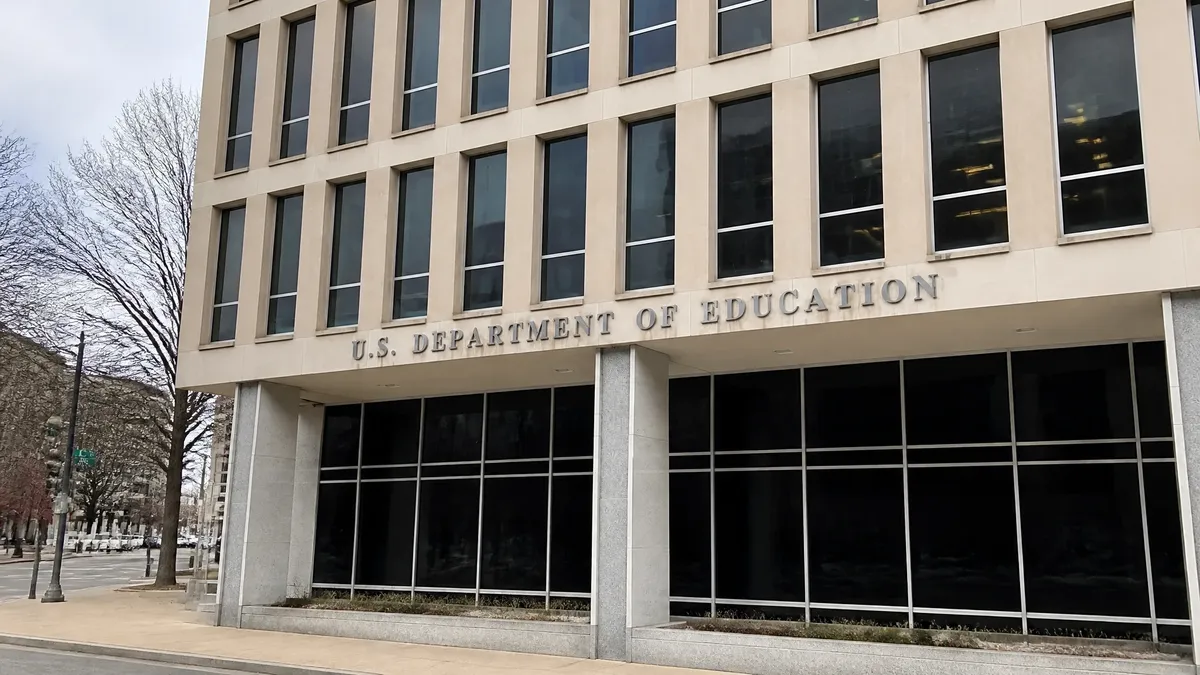
The Public Goods Practice SAVE lawsuit is a federal suit by four student loan borrowers against the U.S. Department of Education over the SAVE and REPAYE repayment plans. Public Goods Practice LLP, the law firm of managing partner Austin Hinkle, represents the borrowers.
The case is Havens v. U.S. Department of Education, No. 1:26-cv-00816-LLA, in the U.S. District Court for the District of Columbia. Heather Havens, Elizabeth Robeson, Anna Grunseth and William Boykin filed it on March 9, 2026. Education Secretary Linda McMahon is sued in her official capacity.
The suit is not a class action and not a multidistrict litigation. It is an individual challenge under the Administrative Procedure Act, so it has no class of members to join.
“Millions of student loan borrowers waited almost two years for repayment terms authorized by statute and regulation. During that time, court orders and injunctions prevented the implementation of the Save on a Valuable Education (SAVE) repayment plan and its attendant benefits to student loan borrowers.”
Source: U.S. District Court for the District of Columbia, Havens v. U.S. Department of Education, No. 1:26-cv-00816, Complaint, Document 1, Preliminary Statement paragraph 1 (filed March 9, 2026)
Why Was the Public Goods Practice SAVE Lawsuit Filed?
The Public Goods Practice SAVE lawsuit was filed because the borrowers say the Department refused to honor SAVE. It did so after the only court order blocking SAVE was dismissed. The Eastern District of Missouri dismissed the states' challenge on February 27, 2026, and the borrowers sued ten days later.
The complaint argues that no court order barred SAVE after that dismissal. It says the SAVE Final Rule remained on the books. It says the Department kept telling borrowers otherwise on its website and by phone.
The case changed shape after the Eighth Circuit reversed that dismissal on March 9, 2026. The June 23 amended complaint says the Department then repealed REPAYE without rulemaking and began moving borrowers to other plans. The suit now targets those forced transfers, which began with servicer notices on July 1, 2026.
What Harms Does the Public Goods Practice SAVE Lawsuit Allege?
The Public Goods Practice SAVE lawsuit includes four categories of alleged harm. All four are financial or informational harms, not physical injuries. Each category below comes from the borrowers' own filings. No court has found the Department liable for any of them.
Withheld Loan Discharge
Loan discharge cancels a borrower's remaining federal student loan balance after a set number of qualifying payments.
The complaint says some SAVE borrowers have already made enough payments to qualify. Heather Havens alleges 303 qualifying payments against the 300 her loans require. Elizabeth Robeson alleges 325 against the 216 required.
The borrowers say discharge happens automatically under the regulation, yet the Department denied it. Grunseth and Boykin allege they can reach discharge only by buying back months of forbearance. The Department refused or did not offer that option.
Higher Monthly Payments
A monthly payment is the amount a borrower owes each month, which income-driven plans calculate from income and family size.
The plaintiffs say a forced move out of SAVE or REPAYE raises what they owe each month. The complaint estimates Havens could pay more than $500 extra per month under the best remaining income-driven option.
The amended complaint extends the concern to the millions of borrowers the Department planned to move after July 1, 2026. Plaintiffs asked the court to postpone those transfers while the case continues.
Tax on Discharged Loans
Discharged student loan debt can count as taxable income unless a law excludes it. A federal exclusion applied through December 31, 2025.
The plaintiffs allege the Department fixes the tax year by a discharge's effective date. That date cannot predate enrollment in the qualifying plan. Moving Havens and Robeson to a new plan could push that date into 2026 or later.
The preliminary injunction memorandum says that would lock them into a tax bill they would otherwise avoid. No court has decided that question.
Inaccurate Information From the Department
An agency statement is inaccurate when it misdescribes a program's legal status, such as calling a plan blocked when none is.
The complaint says studentaid.gov told borrowers the Eighth Circuit injunction still blocked SAVE after the dismissal. It also quotes a phone agent. On March 6, 2026, the agent told Grunseth, "The SAVE program is not something we acknowledge at the moment."
The plaintiffs ask the court to declare those statements unlawful. They do not seek money damages for them.
What Is the Current Status of the Public Goods Practice SAVE Lawsuit?
The current status of the Public Goods Practice SAVE lawsuit is that the court has not ruled on the injunction or the motion to dismiss. That holds as of October 27, 2026. The CourtListener docket, updated October 19, 2026, lists August 19, 2026 as the latest known filing.
Havens v. U.S. Department of Education, No. 1:26-cv-00816-LLA
Judge Loren L. AliKhan was assigned the case on March 10, 2026. The plaintiffs filed an amended complaint and a motion for a preliminary injunction and stay on June 23, 2026. The government filed a combined motion to dismiss and opposition on July 14, 2026.
Briefing finished with the Department's reply on August 17, 2026. Two days later the plaintiffs asked for leave to file a surreply and a response to a corrected government filing. This page found no ruling on any of those requests. Court records can lag, so the live docket is the final word.
| Proceeding Type | Individual suit under the Administrative Procedure Act (not a class action, not an MDL) |
| Court | U.S. District Court for the District of Columbia |
| Judge | Loren L. AliKhan |
| Filed | March 9, 2026 |
| Plaintiffs | Heather Havens, Elizabeth Robeson, Anna Grunseth and William Boykin |
| Defendants | U.S. Department of Education and Secretary Linda McMahon (official capacity) |
| Plaintiffs' Counsel | Public Goods Practice LLP (W. Austin Hinkle, Paul D. Mayer) and Power to the People Law PLLC (Angel E. Reyes) |
| Pending Motions | Injunction and stay (ECF 19); motion to dismiss (ECF 24); surreply and response leave motions (ECF 33, 34) |
Does the Public Goods Practice SAVE Lawsuit Seek Loan Forgiveness?
Yes. The Public Goods Practice SAVE lawsuit seeks loan forgiveness for some borrowers, through an order canceling qualifying Direct Loans. It seeks no cash settlement, and none exists.
No court has awarded any relief, so no payout figure exists. Any benefit would depend on the ruling, the borrower's payment history and the Department's records. Only a qualified attorney reviewing a borrower's loan records can say how a ruling would apply.
The amended complaint narrows who would benefit. The Student Debt Crisis Center says borrowers past their SAVE forgiveness threshold would get discharge. Other SAVE enrollees would move to REPAYE.
Discharge thresholds come from the SAVE Final Rule. The complaint says it requires 240 payments for undergraduate loans and 300 for graduate loans. Borrowers under $12,000 originally borrowed can reach discharge after 120 payments.
The plaintiffs also ask the court to award attorneys' fees as authorized by law. That request is for lawyers' costs and is not a payment to borrowers.
Public Goods Practice SAVE Lawsuit Updates
Here are the latest Public Goods Practice SAVE lawsuit updates, covering new court filings, rulings, and case-count reports as they're confirmed. As of October 2026, Havens v. U.S. Department of Education remains in active pretrial litigation with no settlement announced. The full timeline below covers every verified development since the first case was filed.
Public Goods Practice SAVE Lawsuit Timeline of Events
Plaintiffs Seek Leave for a Surreply
Plaintiffs in Havens v. U.S. Department of Education filed two motions on August 19, 2026. One sought leave to file a surreply. The other sought leave to respond to the Department's notice of corrected filings. This is the last filing visible on the CourtListener docket.
Department Files Reply and Corrected Brief
On August 17, 2026, the Department of Education filed its reply in support of the motion to dismiss. It also filed a notice correcting its July 29 supplemental brief and a second declaration from Anthony Lowery. The reply closed the briefing schedule Judge AliKhan set on July 22.
Plaintiffs Oppose the Motion to Dismiss
The plaintiffs opposed the motion to dismiss in Havens on August 10, 2026. The clerk docketed it on August 11. They filed their reply on the preliminary injunction on August 7, with supplemental declarations and exhibits.
Department Cites Denial of Intervention in Missouri
The Department filed a notice of supplemental authority in Havens on July 31, 2026. It attached an order denying the plaintiffs' motion to intervene in Missouri v. Trump, the Eastern District of Missouri case the Eighth Circuit had sent back for entry of judgment.
Judge AliKhan Resets the Briefing Schedule
Judge Loren L. AliKhan granted plaintiffs leave on July 22, 2026 to file supplemental declarations in Havens. She vacated her June 30 schedule and set an August 17 deadline for the Department's reply. She also asked the parties to propose hearing dates in the week of August 10 if a hearing is needed.
Department Moves to Dismiss the Amended Complaint
On July 14, 2026, the Department of Education filed a combined motion to dismiss and injunction opposition in Havens. The motion argues lack of jurisdiction. Earlier filings had argued the case is moot and that an injunction would require review of other federal courts' decisions.
Servicer Notices Begin for SAVE Borrowers
On July 1, 2026, servicers began telling SAVE borrowers to choose a new plan within 90 days, per NerdWallet. The new Repayment Assistance Plan also became available that day. No court had stopped the transition.
Court Denies First Motion to Dismiss as Moot
Judge AliKhan denied the Department's June 9 motion to dismiss as moot on June 30, 2026. The plaintiffs had filed an amended complaint. She set July 14 for a new motion to dismiss and an injunction response.
Court Orders a Fast Response on the Injunction
In a June 24, 2026 minute order, Judge AliKhan ordered the Department to answer the injunction motion by July 1. She noted plaintiffs must enroll in a different plan within ninety days of a coming July 1 announcement.
Plaintiffs File Amended Complaint and Injunction Motion
The plaintiffs filed an amended complaint and an injunction and stay motion in Havens on June 23, 2026. They ask the court to stay what they call a shadow repeal of REPAYE and to postpone involuntary plan transfers. In the alternative, they seek an injunction covering the four named plaintiffs.
Department Files Its First Motion to Dismiss
The Department of Education and Secretary McMahon moved to dismiss in Havens on June 9, 2026, the court's deadline. The motion raised mootness and jurisdiction arguments. The court had said in May those were better suited for a dispositive motion.
Judge Extends the Department's Time to Respond
On May 18, 2026, Judge AliKhan granted the Department's request for more time to answer, setting a June 9 deadline. She wrote that the mootness argument and the argument about reviewing other courts' decisions suit a dispositive motion.
Court Admits Public Goods Practice Lawyers
Judge AliKhan granted W. Austin Hinkle and Paul D. Mayer leave to appear pro hac vice in Havens on April 3, 2026. The same day she allowed the plaintiffs to file an exhibit under seal.
Case Assigned to Judge Loren L. AliKhan
The clerk assigned Havens to Judge Loren L. AliKhan on March 10, 2026, and issued summonses for the Department, the U.S. Attorney and the Attorney General. The Department was served on March 23, 2026.
Four Borrowers File Havens v. Department of Education
Heather Havens, Elizabeth Robeson, Anna Grunseth and William Boykin filed Havens v. U.S. Department of Education, No. 1:26-cv-00816, in the District of Columbia on March 9, 2026. The complaint pleads three Administrative Procedure Act counts. It asks the court to order the Department to cancel qualifying loans and resume implementing SAVE.
Eighth Circuit Reverses the Missouri Dismissal
On March 9, 2026, the Eighth Circuit reversed the Missouri district court's dismissal of the states' challenge, according to Orrick. The panel directed entry of final judgment on the parties' settlement. The plaintiffs' injunction memorandum says the SAVE Final Rule was vacated on March 10.
Missouri Court Dismisses the States' SAVE Challenge
The Eastern District of Missouri dismissed Missouri v. Trump, No. 4:24-cv-00520, as moot on February 27, 2026. It cited the lack of adversity between the states and the Department. The complaint in Havens says no court had ruled on the merits of SAVE.
Department and States Announce a Settlement to End SAVE
The Department of Education and the plaintiff states announced a proposed settlement of Missouri v. Trump on December 9, 2025. It would bar new SAVE enrollment and require rulemaking to repeal SAVE, according to the Havens complaint.
One Big Beautiful Bill Act Sets a 2028 Sunset
The One Big Beautiful Bill Act became law on July 4, 2025. The Havens complaint says it directs the Department to end income-contingent plans, including SAVE, by July 1, 2028. It did not repeal them at once.
Eighth Circuit Expands the Injunction Against SAVE
On February 18, 2025, the Eighth Circuit affirmed the preliminary injunction in Missouri v. Trump, 128 F.4th 979, and expanded it to cover the entire SAVE Final Rule. The Havens complaint notes the court made no final merits ruling.
Missouri Federal Court Blocks SAVE Discharges
On June 24, 2024, the Eastern District of Missouri enjoined further SAVE discharges, per the Havens complaint. Millions of enrolled borrowers entered forbearance while the litigation continued.
What Has the Department of Education Said in the Public Goods Practice SAVE Lawsuit?
The Department of Education has said the case is moot and outside the court's jurisdiction. Its June 9 and July 14, 2026 filings press those points, according to the docket.
A Department spokesperson rejected that argument. The spokesperson urged borrowers to choose a lawful option, including the new Repayment Assistance Plan. Public Goods Practice's Austin Hinkle says he is seeking to stop transfers before borrowers face their deadlines.
| Party | Role | Position |
|---|---|---|
| U.S. Department of Education and Secretary Linda McMahon | Defendants | Argue the case is moot and outside the court's jurisdiction, and oppose the injunction |
| Heather Havens, Elizabeth Robeson, Anna Grunseth, William Boykin | Plaintiffs | Say the Department unlawfully withheld SAVE benefits and shadow repealed REPAYE |
| Public Goods Practice LLP | Plaintiffs' counsel | Seeks to block forced plan transfers while the case continues |
The Department's December 9, 2025 press release called SAVE illegal, which the complaint cites as evidence of its position. No court has found SAVE unlawful on the merits.
How Does the Public Goods Practice SAVE Lawsuit Compare to Related Cases?
The Public Goods Practice SAVE lawsuit differs from three related matters. Each is a separate proceeding with its own court and parties.
| Matter | What It Involves | Relationship to This Case |
|---|---|---|
| Missouri v. Trump, No. 4:24-cv-00520 (E.D. Mo.) | The states' challenge to the SAVE Final Rule. The district court dismissed it as moot on February 27, 2026, and the Eighth Circuit reversed on March 9, 2026 | The case whose injunction kept SAVE blocked; the Havens plaintiffs' bid to intervene was denied, per the July 31 notice |
| Kansas-led challenge to SAVE | A parallel suit by Republican-led states that produced a separate injunction in June 2024 | Reported as dormant by The College Investor in March 2026; this page did not confirm its current status |
| Sweet v. McMahon, No. 4:19-cv-03674-HSG (N.D. Cal.) | A certified class action over borrower defense loan discharges, covered on our federal student loan discharge lawsuit page | Same agency, different program; it concerns borrower defense claims, not SAVE or REPAYE |
None of these matters decides the Havens claims. Only the District of Columbia court can rule on the REPAYE and discharge theories.
Frequently Asked Questions
What is the Public Goods Practice SAVE lawsuit about?
The Public Goods Practice SAVE lawsuit is about whether the Department of Education unlawfully withheld SAVE discharges and repealed REPAYE. Four borrowers filed Havens v. U.S. Department of Education on March 9, 2026, with Public Goods Practice LLP as counsel.
Is the Public Goods Practice SAVE lawsuit a class action or an MDL?
The Public Goods Practice SAVE lawsuit is neither a class action nor an MDL. It is an individual suit by four named borrowers under the Administrative Procedure Act. The plaintiffs asked in the alternative for an injunction covering only themselves.
Has the Public Goods Practice SAVE lawsuit settled?
No, the Public Goods Practice SAVE lawsuit has not settled, and no settlement has been announced. The Department has moved to dismiss the case instead. This page found no ruling on that motion as of October 27, 2026.
What is the current status of the Public Goods Practice SAVE lawsuit?
The current status of the Public Goods Practice SAVE lawsuit is that briefing is complete and no ruling appears. The last known docket filing is dated August 19, 2026, and the CourtListener docket was last updated October 19, 2026.
Can I join the Public Goods Practice SAVE lawsuit?
No, borrowers cannot join the Public Goods Practice SAVE lawsuit, because it has four named plaintiffs and no certified class. A ruling could still affect other borrowers, since the plaintiffs seek a stay of the Department's policy. A qualified attorney can advise on individual options.
What happens if I do not pick a new plan after leaving SAVE?
Borrowers who miss their 90-day window are placed in the standard or tiered standard plan, according to NerdWallet. The Public Goods Practice SAVE lawsuit asks the court to postpone those transfers, but no court has done so.
Is the Public Goods Practice SAVE lawsuit the same as Missouri v. Trump?
No, the Public Goods Practice SAVE lawsuit is a separate case from Missouri v. Trump. Missouri v. Trump is the states' challenge in Missouri that kept SAVE blocked. Havens is a borrowers' suit in the District of Columbia.