
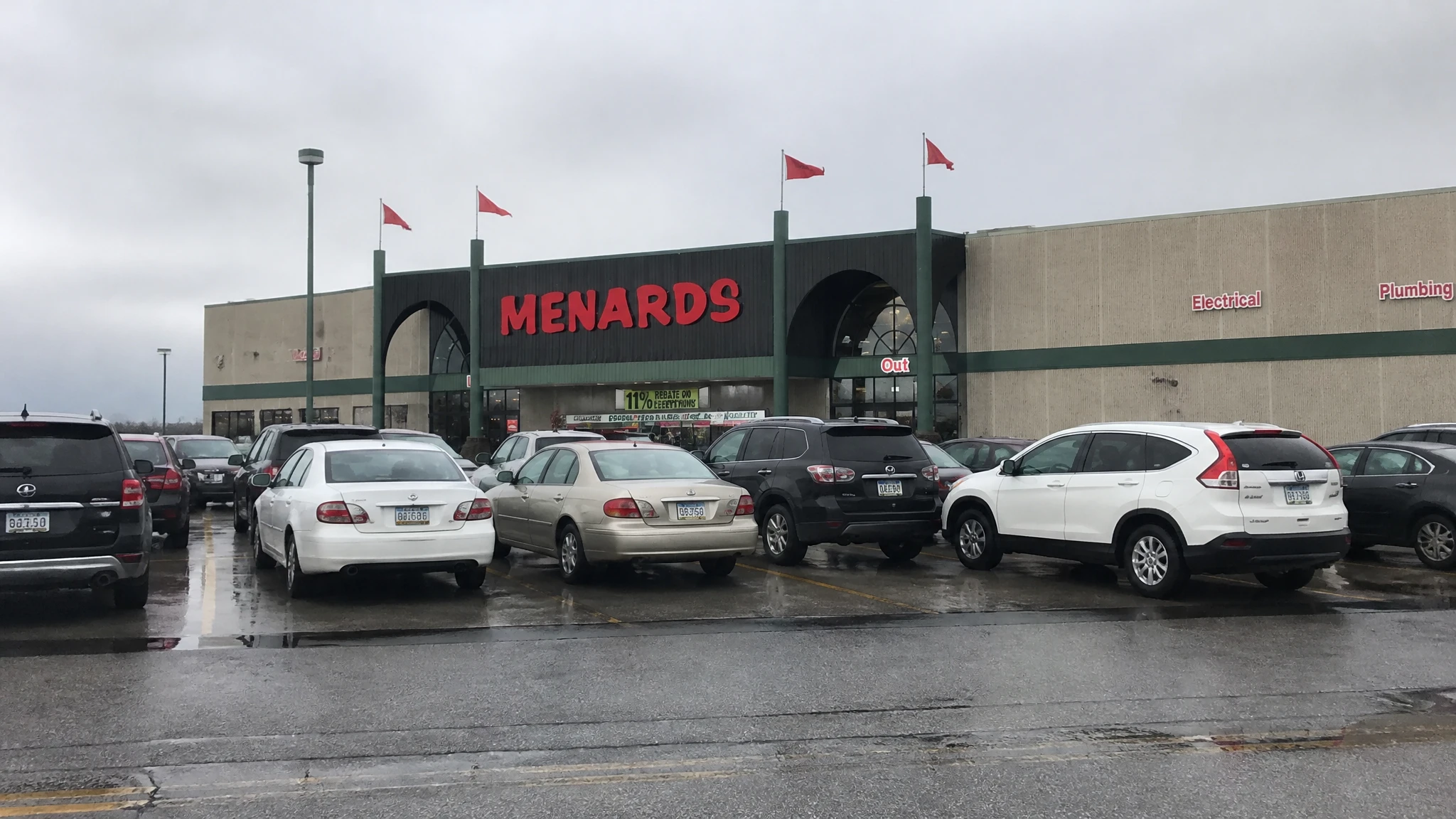
What Is the Menards Lawsuit?
The Menards lawsuit is a ten-state attorney general enforcement action that Menards settled on December 17, 2025. The states accused the Wisconsin home improvement chain of advertising store credit as a discount. Several states also accused it of raising prices early in the COVID-19 pandemic. Menards agreed to pay $4.25 million and to change how it advertises rebates.
Menards is a Wisconsin corporation based in Eau Claire. Its 11% Rebate Program is a merchandise credit check program. Shoppers mail in paperwork after buying and receive an in-store credit, not cash.
The settlement is an assurance of voluntary compliance, not a court verdict. Menards neither admits nor denies liability. Private consumer suits over the same rebates are separate cases, covered later on this page.
“This Assurance of Voluntary Compliance (“Assurance”) is made and entered into by the Attorneys General of Arizona, Illinois, Iowa, Kansas, Michigan, Minnesota, Nebraska, Ohio, South Dakota, and Wisconsin (“the “Settling States”) and MENARD, INC. d/b/a MENARDS (“Menards”) to resolve the Settling States’ investigation into the advertising and administration practices of Menards’ merchandise credit check program (commonly known as the “Menards 11% Rebate Program”) and the investigation of certain of the Settling States into pricing during the COVID-19 pandemic.”
Source: Wisconsin Department of Justice, In the matter of Menard, Inc. d/b/a Menards, Assurance of Voluntary Compliance, opening paragraph (effective December 17, 2025). The assurance states that it is neither an admission nor a denial of liability by Menards.
Why Was the Menards Lawsuit Filed?
The Menards lawsuit was brought because ten state attorneys general said Menards advertised store credit as a discount. Several states also said Menards raised prices on some goods after pandemic emergency orders began in March 2020.
The rebate complaint centers on "11% Off" and "11% Off Everything" advertising. The states say shoppers saw a point-of-purchase discount but received a mail-in credit for a future purchase.
Early in the pandemic, BizTimes reported that Wisconsin's consumer protection agency, DATCP, had received 34 price gouging complaints. Seven of them named Menards.
Illinois, Iowa, Minnesota and Wisconsin co-led the settlement. Arizona, Kansas, Michigan, Nebraska, Ohio and South Dakota joined it.
What Harms Does the Menards Lawsuit Allege?
The Menards lawsuit alleges four harms to shoppers. Three concern the 11% Rebate Program, and one concerns pandemic prices.
The states describe these as allegations. Menards denies them, and the assurance is neither an admission nor a denial of liability.
Discount Advertising
A deceptive discount claim is an advertisement that suggests a lower price at checkout when the shopper does not actually pay less at checkout.
The states say Menards advertised "11% Off" and "11% Off Everything" although the program gave only an in-store merchandise credit. They also say Menards advertised final prices as the sale price minus a credit a shopper might earn later.
A shopper paid the full register price that day. Any credit arrived only after the shopper mailed in paperwork.
Unclear Rebate Limits
A material limitation is a condition a buyer would want to know before purchasing, such as how and where a store credit can be used.
The states say Menards did not disclose clearly that the credit was redeemable only in person at physical stores. They say it also did not disclose that a mail-in form was required.
Wisconsin's release adds that the disclaimers appeared in small print, away from the discount claim. For online and mobile ads, the assurance treats the in-store-only limit as a required disclosure.
Rebates International
A misrepresentation about a company's identity is a statement that a business is separate from the company that actually runs the program.
Menards historically referred customers with rebate questions to Rebates International. The states say Menards stated or implied that Rebates International was an unaffiliated company.
The assurance records that Rebates International is part of Menards and is not a separate entity.
Pandemic Price Gouging
Price gouging is charging unreasonably high prices for essential goods during a declared emergency.
Wisconsin's assurance says Menards raised prices on four-gallon containers of water at two stores after Governor Tony Evers signed Executive Order #72 on March 12, 2020. Wisconsin's agriculture department places those stores in Onalaska and Johnson Creek.
Illinois and Minnesota described a wider set of goods, including rubbing alcohol, garbage bags, dish soap and neoprene gloves. Only certain settling states investigated pandemic pricing.
What Is the Current Status of the Menards Lawsuit?
The Menards lawsuit is settled, and the ten-state assurance took effect on December 17, 2025. Menards had 90 days to finish any changes it had not already made. The matter ended by agreement, not by a court verdict.
In the Matter of Menard, Inc. d/b/a Menards
The agreement also counts as an Assurance of Discontinuance. Wisconsin's copy says Wisconsin law governs its interpretation and enforcement.
| Proceeding | Multistate Assurance of Voluntary Compliance |
| Defendant | Menard, Inc. d/b/a Menards, Eau Claire, Wisconsin |
| Settling States | Arizona, Illinois, Iowa, Kansas, Michigan, Minnesota, Nebraska, Ohio, South Dakota and Wisconsin |
| Co-Leads | Illinois, Iowa, Minnesota and Wisconsin |
| Effective Date | December 17, 2025 |
| Implementation Window | 90 days from the effective date |
| Liability | Neither an admission nor a denial by Menards |
| Class Certified | Not applicable, state enforcement action |
| Consumer Payments | None under this assurance |
| Enforcement | Written notice from an attorney general, then 30 days for Menards to respond |
Minnesota, Nebraska, Ohio and Wisconsin have each published a copy of the assurance. The Wisconsin copy is the source for the terms on this page.
Who Gets the Menards Lawsuit Money?
The Menards lawsuit money goes to the ten settling states, not to individual shoppers. Menards agreed to pay a combined $4.25 million.
Wisconsin's copy says each state may use its share for any lawful purpose. That includes attorneys' fees, investigation costs, consumer protection enforcement funds and consumer education or redress.
State shares varied. Wisconsin received $755,451.24, made up of $712,251.24 for its Department of Justice and $43,200 for DATCP. Iowa reported $446,832 and Kansas reported $81,570.75. Minnesota reported more than $630,000, and South Dakota reported about $102,000.
No one can sign up for a payout from the multistate assurance. A claim form exists only for the separate Menards abrasive wheel settlement, covered below.
The assurance does not release private claims. Paragraph 41 of Wisconsin's copy preserves consumers' individual and class claims under state consumer protection law. Only a qualified attorney can say whether any such claim is viable.
Menards Lawsuit Updates
Here are the latest Menards lawsuit updates, covering new court filings, rulings, and case-count reports as they're confirmed. The Menards multistate rebate case settled as of November 2026; the terms and timing are covered in the entries below. Every verified development is listed in the timeline below, in order.
Full Menards Lawsuit Timeline
Menards' 90-Day Implementation Window Closes
The 90 days that the ten-state Menards assurance gave Menards to finish its rebate and tracker changes ended on or about March 17, 2026, counted from the December 17, 2025 effective date. This page found no public report that any state alleged noncompliance.
Wisconsin Payment Deadline Under the Menards Assurance Falls
Wisconsin's copy of the assurance required Menards to pay $712,251.24 to the Wisconsin Department of Justice and $43,200 to DATCP within fourteen days of December 17, 2025. This page did not locate a public confirmation that the payments were made.
Ten States Announce the $4.25 Million Menards Settlement
Attorneys general from Arizona, Illinois, Iowa, Kansas, Michigan, Minnesota, Nebraska, Ohio, South Dakota and Wisconsin announced the Menards assurance of voluntary compliance. Menards agreed to pay $4.25 million and to stop advertising store credit as a discount. The agreement is neither an admission nor a denial of liability.
Judge Peterson Rules on Sanctions in the Earls Rebate Suit
Judge James D. Peterson of the Western District of Wisconsin issued an order on March 31, 2022 on Menards' sanctions motion in Earls v. Menard, Inc. Bloomberg Law reported that two plaintiffs' firms owed some of Menards' fees. A 2023 case summary says the court later vacated that order. This is a separate private case, not the state action.
Court Grants Menards Summary Judgment in Rikkers
The Eastern District of Wisconsin granted Menards summary judgment in Rikkers v. Menard, Inc., No. 17-cv-1208, a private class suit over the mail-in 11% rebate. The court reportedly found that the plaintiff received the rebate he was promised and knew how the program worked.
Michigan Attorney General Sends Menards a Price Gouging Notice
Michigan's attorney general issued Menards a notice of intended action over price gouging complaints in March 2020. Michigan later joined the December 2025 multistate settlement.
Wisconsin Executive Order #72 Takes Effect
Governor Tony Evers signed Executive Order #72 on March 12, 2020. Wisconsin's assurance says Menards raised prices on four-gallon water containers at two Wisconsin stores after that order.
First Private Rebate Class Action Filed Against Menards in 2020
Amy Childers and other plaintiffs sued Menard, Inc. in the Western District of Wisconsin on February 6, 2020 over the mail-in 11% rebate, under No. 3:20-cv-00107. The case later carried the name Earls v. Menard, Inc. The plaintiffs later dismissed it voluntarily.
What Did Menards Agree to Change After the Menards Lawsuit?
Menards agreed to change its rebate advertising, its rebate administration and its emergency pricing after the Menards lawsuit. The table lists each commitment in Wisconsin's copy of the assurance.
| Area | What Menards agreed to do |
|---|---|
| Discount claims | Stop advertising store credit as a point-of-purchase discount, a percentage "off" the final price, or "price after rebate" |
| Disclosures | Disclose clearly, next to the sales message, that credit comes by mail-in form, works only in store and is not a register discount |
| Claim window | Allow at least 12 months from the purchase date to submit a rebate claim |
| Rebate tracker | Mark a complete application "In Process" within 48 hours, show return reductions and explain ineligibility |
| Rebates International | Disclose that it is Menards doing business under that name and not a separate company |
| Online options | Keep investigating secure online submission and online redemption, and adopt them if safe, secure and economical |
| Emergency pricing | Avoid unreasonably excessive prices during a period of abnormal economic disruption under Wisconsin law |
| Deadline | Finish all changes within 90 days of December 17, 2025 |
Menards contends it has run rebate programs in substantially the same form for more than a decade. It says it has issued hundreds of millions of rebates. The assurance records that contention without endorsing it.
The assurance does not require Menards to keep running the 11% Rebate Program. Menards may suspend, end or change how often it runs the program, but any program it runs must follow these terms.
How Does the Menards Lawsuit Compare to Related Menards Cases?
The Menards lawsuit differs from three related Menards cases, each a separate proceeding. Two were private rebate suits that produced no consumer payout. The third is a product class settlement over abrasive wheels.
| Case | Court | Claim | Outcome |
|---|---|---|---|
| Rikkers v. Menard, Inc., No. 17-cv-1208 | U.S. District Court, Eastern District of Wisconsin | Mail-in 11% rebate misled buyers | Summary judgment for Menards, 2021 |
| Earls v. Menard, Inc. (filed as Childers), No. 3:20-cv-00107 | U.S. District Court, Western District of Wisconsin | Rebates allegedly not paid | Voluntarily dismissed by plaintiffs |
| Shoemaker v. Menard Inc., No. 2416-CV-06275 | Circuit Court of Jackson County, Missouri | Undisclosed expiration dates on bonded abrasive wheels | $775,000 class settlement, final approval hearing set for August 17, 2026 |
Rikkers ended on the facts of one purchase. The court reportedly found that the plaintiff received $21.32 on a $193.82 purchase, which is 11%, and understood the mail-in program beforehand.
Earls began as Childers on February 6, 2020. Plaintiffs voluntarily dismissed it after their counsel learned that named plaintiffs had received the rebates they were owed. The 2022 sanctions order is described in the timeline above.
The Shoemaker settlement is unrelated to rebates. It covers Menards-brand Performax and Masterforce wheels bought between June 10, 2018 and April 22, 2026. It offers up to $50 in cash or up to five replacement wheels. Claims closed July 7, 2026, and this page has not confirmed whether the court granted final approval.
Frequently Asked Questions
What is the Menards lawsuit about?
The Menards lawsuit is about how Menards advertised its 11% Rebate Program and priced some goods early in the pandemic. Ten state attorneys general said Menards advertised store credit as a discount. Menards settled on December 17, 2025 without admitting liability.
Is the Menards lawsuit a class action?
No. The Menards lawsuit is a state attorney general action, and no class was certified. Private rebate class suits against Menards were separate cases, and neither produced a consumer payout.
Did Menards settle the lawsuit?
Yes. Menards settled the lawsuit with ten states on December 17, 2025. It agreed to pay $4.25 million and to change its rebate advertising and administration.
Can I sign up for the Menards lawsuit?
No. You cannot sign up for the Menards lawsuit because the multistate assurance pays the states and has no claim form. A claim form existed only for the separate abrasive wheel class settlement, which closed to claims on July 7, 2026.
Is the Menards 11% rebate still available?
The assurance does not require Menards to keep the 11% rebate available. Menards may suspend, end or change how often it runs the program. Any program it does run must follow the assurance's disclosure and claim terms.
Is the Menards abrasive wheel settlement the same as the Menards rebate lawsuit?
No. The Menards abrasive wheel settlement is a different case from the Menards rebate lawsuit. It is a $775,000 class settlement over undisclosed expiration dates on Performax and Masterforce wheels, filed in Jackson County, Missouri.