
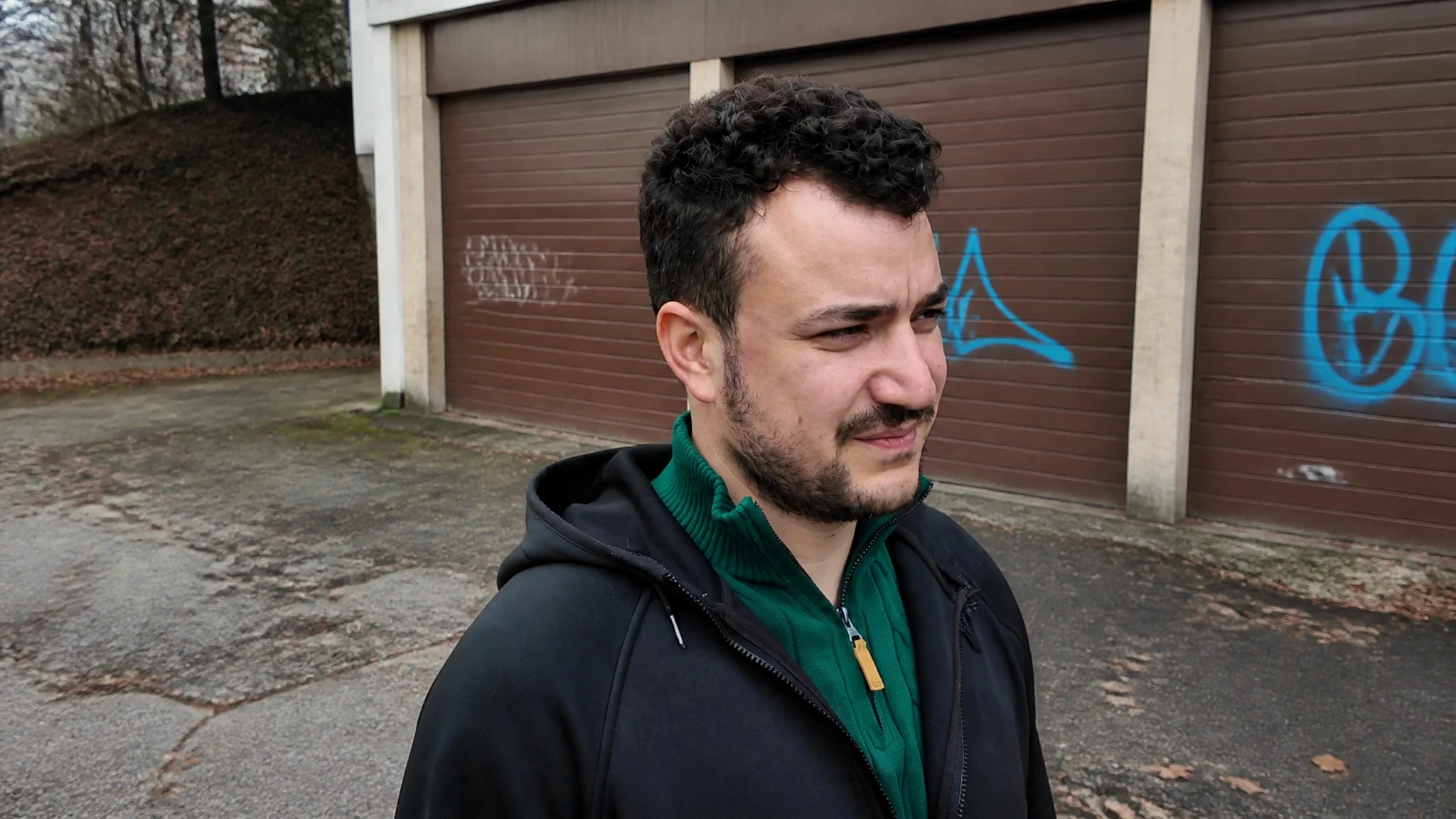
What Is the Mahmoud Khalil Columbia Student Lawsuit?
The Mahmoud Khalil Columbia student lawsuit is a federal civil rights and contract case in which Mahmoud Khalil, Mohammad Ibrahim Zubairi and the SIPA Palestine Working Group accuse Columbia University of failing to stop harassment of pro-Palestinian students. It was filed on September 14, 2026 in the U.S. District Court for the Southern District of New York as Case No. 1:26-cv-7977.
The defendants are Columbia University, the Trustees of Columbia University and Keren Yarhi-Milo, the dean of the School of International and Public Affairs (SIPA), who is sued in her official capacity. Zubairi is a Pakistani citizen who studied at SIPA from 2024 through 2026, and the Palestine Working Group is a student organization registered at SIPA since 2018.
The case has three named plaintiffs and does not plead a class of other claimants, so it is not a class action and not multidistrict litigation. Khalil's immigration and habeas cases are separate proceedings, described under case status and in the comparison below.
“This case concerns Defendants' deliberate indifference towards and failure to respond to instances of severe, persistent, and coordinated harassment directed towards Mahmoud Khalil, Mohammad Ibrahim Zubairi, and other members of SIPA Palestine Working Group due to their pro-Palestine advocacy and affiliation, their perceived shared ancestry as Arab and/or Muslim students, their national origin, and/or their status as non-citizen immigrants, as well as Defendants' subsequent retaliation against Mr. Khalil, Mr. Zubairi, and PWG and its members for reporting that harassment.”
Source: Khalil et al. v. Columbia University in the City of New York et al., No. 1:26-cv-7977 (S.D.N.Y.), Complaint and Jury Trial Demand, Document 1, ¶ 1 (filed Sept. 14, 2026)
Why Was the Mahmoud Khalil Columbia Student Lawsuit Filed?
The Mahmoud Khalil Columbia student lawsuit was filed because the plaintiffs say Columbia ignored repeated reports of harassment and doxxing and then retaliated against the group that made them. The complaint says Khalil and other Palestine Working Group members reported the conduct to Columbia officials, including the SIPA dean, for more than five months.
It dates Khalil's own reports to the Spring 2023 semester and says they ran for nearly two years. The complaint says they ended with a March 7, 2025 email to Columbia's interim president, Katrina Armstrong, and other SIPA administrators, urging action to protect international students.
Khalil has said he is not suing Columbia over what ICE did, but over the groundwork that he says made the arrest possible. That framing matches the complaint, which ties Columbia's alleged inaction to the harassment first and to the arrest second.
What Harms Does the Mahmoud Khalil Columbia Student Lawsuit Allege?
The Mahmoud Khalil Columbia student lawsuit alleges six distinct harms, each tied to Columbia's own conduct rather than to the federal government's. These are the plaintiffs' allegations as pled in the complaint, and no court has ruled on any of them.
Failure to Respond to Harassment
Under Title VI of the Civil Rights Act, deliberate indifference generally means that a school knew about discrimination or harassment and responded in a way that was clearly unreasonable.
The complaint alleges that members of the Palestine Working Group faced severe, persistent and coordinated harassment from the group's formation in 2018, and that it escalated sharply after October 7, 2023. It describes peer-on-peer harassment on SIPA's campus and in school-sponsored group chats.
The plaintiffs say Columbia did not take appropriate corrective action after repeated reports. This is the theory behind the first Title VI count.
Doxxing
Doxxing is the public release of a person's identifying details, such as a name or photograph, in a way that exposes them to harassment.
The complaint alleges that outside groups targeted Palestine Working Group members through a doxxing campaign, with students and faculty helping it along. It says the names and photographs of targeted students appeared on websites and on a box truck that drove around the Columbia campus.
The plaintiffs allege that Columbia was deliberately indifferent to this campaign and, in their words, continued to facilitate it. The complaint says the doxxing of multiple group members led directly to Khalil's detention.
Retaliation
Retaliation is an adverse action taken against a person for reporting or opposing discrimination.
The complaint alleges that Columbia answered the group's reports by repeatedly describing its events as security risks and by calling the organization a hostile group. It says Columbia then suspended the Palestine Working Group as a student organization, a suspension the complaint says continues today.
The second Title VI count rests on this theory and relies on an implied protection against retaliation in the statute's text. The group asks the court to lift its probation and suspension and restore its campus privileges and financial accounts.
Discrimination Based on National Origin and Ancestry
Title VI prohibits discrimination based on race, color or national origin in programs that receive federal funding, and national origin can include shared ancestry or ethnic characteristics.
The complaint says the harassment targeted students because of their pro-Palestine advocacy, their perceived Arab or Muslim ancestry, their national origin and their status as non-citizen immigrants. Khalil is of Palestinian origin, holds an Algerian passport and identifies as Arab and Muslim, and Zubairi is a Pakistani Muslim.
The same facts support two further counts, one under New York Executive Law section 296(4) and one under New York City Administrative Code section 8-107(4), which the complaint pleads as discrimination in a place of public accommodation. The complaint also alleges that Columbia used surveillance, called the New York Police Department to clear encampments, and ran mass disciplinary proceedings against students.
Breach of Contract
A breach of contract is a failure to do what a written or implied promise requires.
The complaint alleges that Columbia's Rules of University Conduct and its anti-discrimination and discriminatory harassment policies promise students an environment where they can pursue their studies without serious intrusion. It says Columbia breached those promises by failing to act on the reports.
The last count adds a claim for breach of the implied covenant of good faith and fair dealing, a separate contract theory that asks whether Columbia exercised its discretion fairly.
Immigration Detention
Immigration detention is custody ordered by immigration authorities while a person's right to remain in the country is decided.
The complaint alleges that Columbia's deliberate indifference directly led to Khalil's arrest by plainclothes ICE officers at his Columbia-owned apartment building on March 8, 2025. He was held for 104 days at a facility in Jena, Louisiana, and released on bail on June 20, 2025.
It also alleges that Columbia refused to correct false statements about Khalil's role as a negotiator and mediator during the student protests while he was held. The complaint does not sue Columbia for carrying out the arrest, and Khalil has said so publicly.
What Is the Current Status of the Mahmoud Khalil Columbia Student Lawsuit?
The Mahmoud Khalil Columbia student lawsuit is pending at its earliest stage in the Southern District of New York. The complaint was filed on September 14, 2026, and the sources reviewed for this page, as of November 13, 2026, report no ruling on the claims and no filed response from Columbia.
Khalil's other cases move on separate tracks, and two of them are listed below because searches for his name often return them.
Khalil et al. v. Columbia University et al.
The complaint is dated September 13, 2026 and was filed the next day as Document 1 on the docket, which runs 60 pages. Khalil announced the suit at a news conference in New York on Monday, September 14.
| Court | U.S. District Court, Southern District of New York |
| Case number | 1:26-cv-7977 |
| Filed | September 14, 2026 |
| Plaintiffs | Mahmoud Khalil, Mohammad Ibrahim Zubairi, SIPA Palestine Working Group |
| Defendants | Columbia University, Trustees of Columbia University, Dean Keren Yarhi-Milo (official capacity) |
| Counts | Two Title VI counts, New York Executive Law section 296, NYC Administrative Code section 8-107(4), breach of contract, breach of the implied covenant of good faith |
| Relief sought | Injunctions, compensatory, consequential and punitive damages in amounts left to trial, statutory penalties, fees and interest |
| Plaintiffs' counsel | William Reynolds Law, Ltd. and Brittany S. Finley, both listed as seeking admission pro hac vice |
| Presiding judge | Not confirmed in the sources reviewed |
| Rulings reported | None as of November 13, 2026 |
Pro hac vice means the two lawyers asked to appear for this case only, since neither is listed with a New York office.
Khalil v. Trump (U.S. Supreme Court No. 26-530)
This is Khalil's habeas case over his detention and re-arrest risk, a different lawsuit from the Columbia case. The Third Circuit ruled against him on jurisdiction, and his lawyers have now asked the Supreme Court to review that decision.
| Lower court | U.S. Court of Appeals for the Third Circuit, Nos. 25-2162 and 25-2357 |
| Panel decision | January 15, 2026, holding 2-1 that the district court lacked jurisdiction over his habeas claims |
| Rehearing en banc | Denied May 22, 2026 |
| Petition for certiorari | Filed October 19, 2026, docketed October 21, 2026 |
| Response due | November 20, 2026 |
| Counsel of record | Baher Azmy, Center for Constitutional Rights |
The Third Circuit's mandate has been stayed pending the petition, according to Khalil's legal team, so the lower-court ruling is not currently in effect.
Khalil v. Blanche (Fifth Circuit No. 26-60344)
This is Khalil's petition for review of his immigration removal order, a third track unrelated to the Columbia suit. The Board of Immigration Appeals issued a final order of removal on April 9, 2026, and the Fifth Circuit has not been reported to rule.
| Court | U.S. Court of Appeals for the Fifth Circuit |
| Case number | 26-60344 |
| Respondent | U.S. Attorney General |
| Opening brief | Filed August 14, 2026 |
| Ruling reported | None as of November 13, 2026 |
Has the Mahmoud Khalil Columbia Student Lawsuit Settled?
No. The Mahmoud Khalil Columbia student lawsuit has not settled, and no settlement offer, mediation or trial date has been reported as of November 13, 2026.
The complaint asks for compensatory, consequential and punitive damages and statutory penalties in amounts to be determined at trial and states no dollar figure. What the plaintiffs could recover depends on which claims survive the motions Columbia files, and only a qualified attorney reviewing the full record can say what any claim is worth.
Injunctive relief is a central goal of the case, not an afterthought. The plaintiffs ask the court to end the Palestine Working Group's suspension, restore its financial accounts and campus privileges, and reinstate Khalil's access to Columbia's campus.
A separate $20 million claim against the federal government, reported in July 2025, is not part of this case. It concerns Khalil's detention and was directed at the administration, not at Columbia.
Mahmoud Khalil Columbia Student Lawsuit Updates and Case Status
Here is the current status of the Mahmoud Khalil Columbia Student lawsuit, updated with new filings, rulings, and case-count reports as they're confirmed. No settlement date has been set as of November 2026; the Khalil v. Columbia University Title VI case (No. 1:26-cv-7977) remains in active pretrial litigation. Every verified development is listed in the timeline below, in order.
Mahmoud Khalil Columbia Student Lawsuit Timeline of Events
Khalil Returns to Columbia's Campus for a Book Event
The Columbia Daily Spectator reported on November 6, 2026 that Mahmoud Khalil made his first return to Columbia's campus since his detention, to present his memoir, No Land to Stand On, at an event hosted by the Center for Palestine Studies. The report does not describe any ruling in the Title VI case.
Khalil Asks the Supreme Court to Review His Habeas Case
Khalil's lawyers filed a petition for a writ of certiorari on October 19, 2026 in Khalil v. Trump, Supreme Court No. 26-530, asking the justices to review the Third Circuit's jurisdiction ruling. The docket lists a response from the government as due November 20, 2026.
Justice Alito Extends Khalil's Deadline to File at the Supreme Court
Justice Samuel Alito granted a second extension on September 17, 2026, moving the deadline for Khalil's certiorari petition in No. 26-530 from September 21 to October 19, 2026. Khalil's lawyers had applied for the extra time on September 9.
Khalil, Zubairi and the Palestine Working Group Sue Columbia
Mahmoud Khalil, Mohammad Ibrahim Zubairi and the SIPA Palestine Working Group filed a 60-page complaint against Columbia University, its Trustees and SIPA Dean Keren Yarhi-Milo on September 14, 2026 in the Southern District of New York, docketed as No. 1:26-cv-7977. Columbia gave a general statement about campus safety and declined to address the suit directly.
Khalil Files His Opening Brief in the Fifth Circuit
Khalil's lawyers filed the opening brief in his Fifth Circuit petition for review, No. 26-60344, on August 14, 2026. The brief asks the court to reverse the Board of Immigration Appeals' removal order and to end the proceedings.
Justice Alito Grants the First Extension in the Supreme Court Case
Justice Alito granted Khalil's first application for more time on July 27, 2026, moving the certiorari deadline in the habeas case from August 20 to September 21, 2026. The government had filed an opposition to the application on July 17.
Khalil Sues Administration Officials and Pro-Israel Groups Under the Ku Klux Klan Act
Khalil filed a separate civil rights suit in Manhattan federal court on July 14, 2026 against senior Trump administration officials, the Heritage Foundation, Betar and Canary Mission. The complaint invokes the Ku Klux Klan Act of 1871 and alleges a public-private conspiracy to target pro-Palestinian activists, and Columbia is not a defendant.
Third Circuit Denies Rehearing in Khalil's Habeas Case
The full Third Circuit denied rehearing en banc on May 22, 2026 in Khalil v. Trump, by a vote reported as 6-5. Khalil's legal team then announced it would seek Supreme Court review.
Board of Immigration Appeals Issues a Final Removal Order
The Board of Immigration Appeals dismissed Khalil's appeal and issued a final order of removal on April 9, 2026. His lawyers petitioned the Fifth Circuit for review, and his lawyers say the order does not by itself allow the government to detain or deport him while the Third Circuit mandate remains stayed.
Judge Subramanian Rules on Motions to Dismiss in Khalil's Earlier Columbia Case
Judge Arun Subramanian issued a 23-page opinion on March 19, 2026 in Khalil et al. v. Trustees of Columbia University, No. 25-cv-2079, granting the House committee defendants' motion to dismiss and granting the federal agency defendants' and Columbia's motions in part and denying them in part. Discovery proceeds on the surviving claims in that earlier case, which is separate from the 2026 suit.
Third Circuit Panel Rules the District Court Lacked Jurisdiction
A Third Circuit panel decided Khalil v. Trump on January 15, 2026, holding 2-1 that the federal district court in New Jersey lacked jurisdiction over his habeas claims. The decision reversed the lower court's orders that had protected him from re-detention.
Khalil Is Released on Bail After 104 Days in ICE Detention
Khalil was released from the ICE facility in Jena, Louisiana on June 20, 2025, after 104 days, following a New Jersey federal judge's order for his release. He missed the birth of his first child while detained, and his deportation case stayed active.
Columbia Suspends the Palestine Working Group
Columbia indefinitely suspended the SIPA Palestine Working Group as a student organization in May 2025, according to press reports of the 2026 complaint. The complaint says the suspension continues and asks the court to end it.
ICE Agents Arrest Khalil at His Columbia Apartment Building
Plainclothes ICE officers arrested Mahmoud Khalil on March 8, 2025 at his Columbia-owned apartment building, where he was a SIPA graduate student and the president of the Palestine Working Group. The complaint in the 2026 case says this arrest came one day after his last written appeal to Columbia leadership.
Khalil Emails Columbia's Interim President Asking for Protection
Khalil emailed Columbia's interim president, Katrina Armstrong, and other SIPA administrators on March 7, 2025, urging the university to protect its international students, including members of the Palestine Working Group. The 2026 complaint cites this email as the end of nearly two years of reports.
What Evidence Supports the Mahmoud Khalil Columbia Student Lawsuit?
The evidence behind the Mahmoud Khalil Columbia student lawsuit consists of the plaintiffs' own written reports, communications with Columbia officials and accounts from other group members. It has not been tested in court, and a complaint states allegations rather than proven facts.
The complaint relies on dated reports Khalil made to Columbia, the March 7, 2025 email to the interim president, and the public display of students' names and photographs, including on a box truck that circled campus. It also sets out accounts from thirteen non-party Palestine Working Group members, some named and some anonymous, describing their own experiences.
Columbia's side of the record is not yet public beyond a general statement. Whether the university's own policies, disciplinary records and communications support or contradict the plaintiffs will only emerge through motions and discovery.
How Has Columbia Responded to the Mahmoud Khalil Columbia Student Lawsuit?
Columbia has responded to the Mahmoud Khalil Columbia student lawsuit by declining to address the allegations directly and issuing a general statement about campus safety. A university spokesperson told reporters that creating a welcoming, supportive and safe environment is fundamental to the university, and that it is committed to protecting its community from discrimination and harassment.
The statement does not deny any specific allegation. It is not a court filing, and the sources reviewed show no answer or motion to dismiss from Columbia as of November 13, 2026.
| Defendant | Role described in the complaint | Reported response |
|---|---|---|
| Columbia University in the City of New York | Private university that operates the Morningside Heights campus and SIPA | General statement, no direct comment on the suit |
| Trustees of Columbia University in the City of New York | Columbia's primary governing body | No separate response reported |
| Keren Yarhi-Milo | Dean of SIPA since July 2022, sued in her official capacity | No separate response reported |
Under Title VI, the federal civil rights statute at the center of the case, a defendant that receives federal funds can be held responsible for harassment it knew about and handled unreasonably. Whether that standard fits the facts alleged here is for the court to decide.
How Does the Mahmoud Khalil Columbia Student Lawsuit Compare to Khalil's Other Cases?
The Mahmoud Khalil Columbia student lawsuit is a separate case from every other legal proceeding Khalil is involved in, and it is the only one that asks a court to hold Columbia responsible for harassment of students. His other cases challenge the federal government's detention and removal efforts or its coordination with outside groups.
Searches for his name often blend these cases together. The table below keeps them apart by court, claim and status as of November 13, 2026.
| Case | Court | Main claim | Status |
|---|---|---|---|
| Khalil et al. v. Columbia University, No. 1:26-cv-7977 (this page) | S.D.N.Y. | Title VI, state and city law and contract claims against Columbia | Pending, no ruling reported |
| Khalil et al. v. Trustees of Columbia University, No. 25-cv-2079 | S.D.N.Y., Judge Subramanian | First Amendment, Administrative Procedure Act and contract claims over the House committee's records demand and a $400 million funding threat | Mixed ruling on motions to dismiss, discovery on surviving claims |
| Khalil v. Trump, No. 26-530 | U.S. Supreme Court | Habeas challenge to his detention | Certiorari petition pending, see status above |
| Khalil v. Blanche, No. 26-60344 | Fifth Circuit | Petition for review of the removal order | Briefing stage, no ruling reported |
| Khalil suit under the Ku Klux Klan Act | Manhattan federal court | Conspiracy claim against administration officials and pro-Israel groups | Filed July 14, 2026, no ruling reported |
Columbia is a defendant in both Columbia cases, but the earlier one rests on a different theory, that the government coerced Columbia into suppressing speech. The 2026 case instead says Columbia itself was indifferent to harassment, so a ruling in one does not decide the other.
Frequently Asked Questions
What is the Mahmoud Khalil Columbia student lawsuit about?
The Mahmoud Khalil Columbia student lawsuit is a federal case alleging that Columbia University was deliberately indifferent to harassment and doxxing of pro-Palestinian students and retaliated against them for reporting it. Khalil, Mohammad Ibrahim Zubairi and the SIPA Palestine Working Group filed it on September 14, 2026.
Is the Mahmoud Khalil Columbia student lawsuit a class action?
No. The Mahmoud Khalil Columbia student lawsuit names three plaintiffs and does not plead a class, so it is neither a class action nor multidistrict litigation. Other students have no claim form to file through it.
Which court is the Mahmoud Khalil Columbia student lawsuit in?
The Mahmoud Khalil Columbia student lawsuit is in the U.S. District Court for the Southern District of New York, docketed as Case No. 1:26-cv-7977. A presiding judge was not confirmed in the sources reviewed for this page.
What is the status of the Mahmoud Khalil Columbia student lawsuit?
The Mahmoud Khalil Columbia student lawsuit is pending at its earliest stage, and no ruling has been reported as of November 13, 2026. Columbia has issued only a general statement and has not been reported to have filed a response in court.
Has Columbia settled the Mahmoud Khalil lawsuit?
No. Columbia has not settled the Mahmoud Khalil lawsuit, and no settlement talks or trial date have been reported. The complaint seeks damages in amounts to be set at trial and does not state a dollar figure.
Is the Mahmoud Khalil Columbia student lawsuit the same as his deportation case?
No. The Mahmoud Khalil Columbia student lawsuit is a different case from his deportation and habeas proceedings, which are against the federal government and sit in the Third Circuit, the Supreme Court and the Fifth Circuit. The Columbia suit asks a court to hold the university responsible for how it handled harassment.
What relief does the Mahmoud Khalil Columbia student lawsuit seek?
The Mahmoud Khalil Columbia student lawsuit seeks injunctions, compensatory, consequential and punitive damages, statutory penalties and attorneys' fees. The injunctions would lift the Palestine Working Group's suspension and restore Khalil's access to Columbia's campus.