
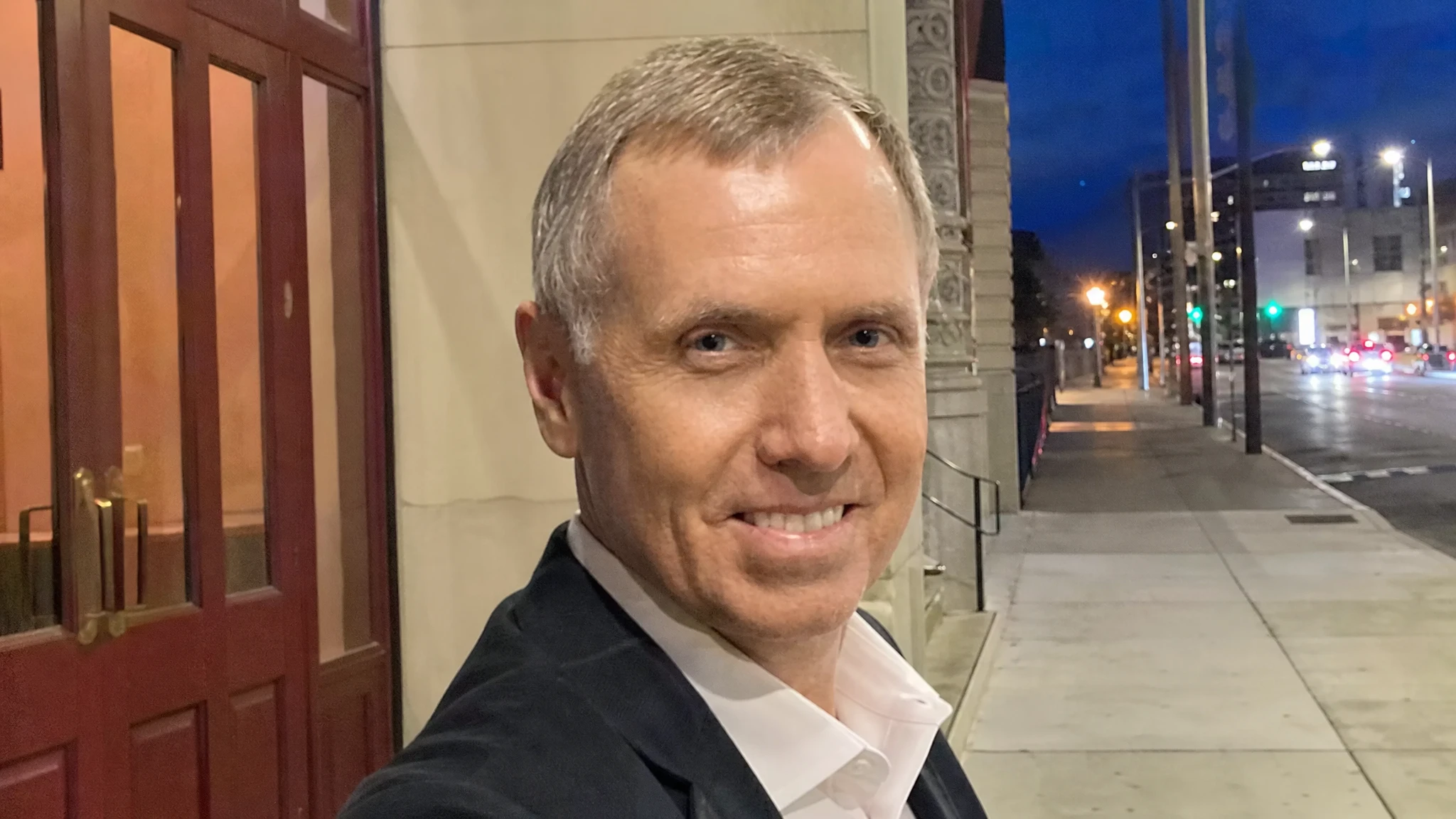
What Is the Kennedy Center Chuck Redd Lawsuit?
The Kennedy Center Chuck Redd lawsuit is a breach-of-contract case The Donald J. Trump and John F. Kennedy Center for the Performing Arts filed against jazz vibraphonist and drummer Charles "Chuck" Redd, not a class action, MDL, or personal-injury case.
The Kennedy Center filed the case, captioned The Donald J. Trump and John F. Kennedy Center for the Performing Arts v. Charles Redd (No. 2026-CAB-001457), on March 6, 2026 in the Superior Court for the District of Columbia, before Judge Tanya M. Jones Bosier. The complaint alleged Redd breached a performance agreement and its morals clause by canceling his scheduled Christmas Eve 2025 concert and publicly explaining why, after the Kennedy Center's Trump-appointed board voted to add Donald Trump's name to the venue.
Redd, through counsel at Katz Banks Kumin LLP, moved to dismiss the case under the D.C. Anti-SLAPP Act, arguing he never signed a contract for the 2025 performance and that his cancellation was protected public-interest speech. The court agreed, dismissing the case with prejudice in June 2026 and later ordering the Kennedy Center to pay Redd's legal fees.
“Mr. Redd, a local jazz musician, was scheduled to play a free concert at the John F. Kennedy Center for the Performing Arts ("the Kennedy Center") Millennium Stage on Christmas Eve 2025. Alarmed by what he believed to be an illegal decision of the Board of the Kennedy Center to change its name to the Donald J. Trump and John F. Kennedy Center for the Performing Arts, he advised the Center's contract administrator that he was uncomfortable performing there and canceled his appearance.”
Source: Source: Defendant's Special Motion to Dismiss the Complaint Pursuant to D.C. Code § 16-5502, The Donald J. Trump and John F. Kennedy Center for the Performing Arts v. Charles Redd, No. 2026-CAB-001457 (D.C. Super. Ct., filed March 27, 2026)
Why Was the Kennedy Center Chuck Redd Lawsuit Filed?
The Kennedy Center Chuck Redd lawsuit was filed because Kennedy Center officials alleged Redd breached his performance agreement's morals clause by canceling his Christmas Eve concert and publicly stating his reason for doing so.
Redd had hosted the Kennedy Center's free annual Christmas Eve Jazz Jam for more than 20 years. After the Kennedy Center's board, reconstituted with Trump appointees after Trump ousted the prior board and named himself chairman, voted on December 18, 2025 to rename the venue the Donald J. Trump and John F. Kennedy Center for the Performing Arts, Redd told the Kennedy Center's contract administrator he was uncomfortable performing there and canceled his December 24 appearance. He later told an Associated Press reporter he canceled after seeing the name change on the Kennedy Center's website and, hours later, on the building itself.
Then-Kennedy Center president Richard Grenell publicly called Redd's cancellation a "political stunt" and sent Redd a letter, distributed to national media, threatening to seek $1 million in damages. The Kennedy Center filed suit on March 6, 2026, even though Redd had never signed the proposed contract sent to him in December 2025 and the Center found replacement programming for the free concert rather than losing revenue.
What Harms Does the Kennedy Center Chuck Redd Lawsuit Allege?
The Kennedy Center Chuck Redd lawsuit alleges two connected harms against Redd rather than a physical injury: breach of contract and violation of a morals clause. Redd disputes both, and a court has already ruled in his favor on the underlying claims.
Breach of Contract
A breach-of-contract claim alleges one party failed to perform an obligation the parties agreed to in a binding agreement.
The Kennedy Center's complaint alleged Redd was contractually obligated to perform a one-hour Christmas Eve concert for $6,500. The court found Redd never signed the contract the Kennedy Center emailed him on December 9, 2025, and that he canceled with enough notice for the Center to find replacement musicians, which the judge cited in dismissing this claim.
Morals Clause Violation
A morals-clause violation claim alleges a party's public conduct or statements breached a contract term restricting behavior that could embarrass or harm the other party's reputation.
The Kennedy Center's complaint alleged Redd's public statement about why he canceled violated a morals clause included in the unsigned December 2025 contract, a clause Redd's attorneys say departed from his standard prior-year Kennedy Center contracts. The court dismissed this claim as well, ruling Redd's cancellation and public explanation were protected speech on a matter of public interest under the D.C. Anti-SLAPP Act.
What Is the Current Status of the Kennedy Center Chuck Redd Lawsuit?
The current status of the Kennedy Center Chuck Redd lawsuit is dismissed, with a fee award against the Kennedy Center that the organization has said it intends to appeal.
The Donald J. Trump and John F. Kennedy Center for the Performing Arts v. Charles Redd
The Kennedy Center filed its breach-of-contract complaint against Redd on March 6, 2026 in the Superior Court for the District of Columbia. Redd's attorneys filed a special motion to dismiss under the D.C. Anti-SLAPP Act on March 27, 2026, arguing he never signed a contract and that his cancellation and public statement were protected speech. Judge Tanya M. Jones Bosier dismissed the Kennedy Center's lawsuit with prejudice in June 2026, finding the Center had not established a binding contract and that the Jazz Jam was ultimately canceled because multiple artists withdrew, not Redd alone. On August 10, 2026, the judge ordered the Kennedy Center to pay Redd $252,479.70 in attorneys' fees and costs within 45 days. The Kennedy Center has said it intends to appeal.
| Court | Superior Court for the District of Columbia, Civil Division |
| Judge | Hon. Tanya M. Jones Bosier |
| Case Number | 2026-CAB-001457 |
| Filed | March 6, 2026 |
| Anti-SLAPP Motion Filed | March 27, 2026 |
| Dismissal | June 2026 (with prejudice) |
| Fee Award | $252,479.70, ordered August 10, 2026 |
| Appeal Status | Kennedy Center has stated intent to appeal |
Was the Kennedy Center Chuck Redd Lawsuit Settled?
No settlement was reached in the Kennedy Center Chuck Redd lawsuit. The case ended with a court dismissal and a fee award against the Kennedy Center, not a negotiated payment to end the case.
The $252,479.70 figure is a court-ordered reimbursement of Redd's own legal fees and costs, not settlement compensation, and it flows from the Kennedy Center to Redd because the Center lost, not because the parties agreed to resolve the case. The Kennedy Center's stated intent to appeal means this amount could still change.
The Kennedy Center originally threatened to seek $1 million in damages from Redd before filing suit, but the court dismissed the Center's claims entirely rather than awarding it any damages.
Because the case was dismissed under the D.C. Anti-SLAPP Act rather than settled, there is no claims process, settlement fund, or payment for any other person to file into.
Latest Kennedy Center Chuck Redd Lawsuit Updates
The latest Kennedy Center Chuck Redd lawsuit updates and news, including new filings, rulings, and case-count reports, are tracked below as they're confirmed. Litigation in the Kennedy Center Chuck Redd MDL remains active as of September 2026, with no bellwether trial or settlement completed. The timeline below tracks every confirmed development from the first filing forward.
Full Kennedy Center Chuck Redd Lawsuit Timeline
Court Orders Kennedy Center to Pay Redd $252,479.70 in Legal Fees
Judge Tanya M. Jones Bosier ordered the Kennedy Center to reimburse Chuck Redd's attorneys' fees and costs within 45 days, after reviewing billing records and finding the amount proportional to the work performed defending the dismissed lawsuit.
Judge Dismisses the Kennedy Center's Lawsuit Against Redd With Prejudice
The Superior Court for the District of Columbia granted Redd's Anti-SLAPP motion, ruling the Kennedy Center had not shown a binding contract existed and that Redd's cancellation and public statement were protected speech on a matter of public interest.
Redd Files Anti-SLAPP Motion to Dismiss
Redd's attorneys at Katz Banks Kumin LLP filed a special motion to dismiss under D.C. Code § 16-5502, arguing the Kennedy Center's suit targeted protected public-interest speech and that no signed contract obligated Redd to perform.
Kennedy Center Files Breach-of-Contract Lawsuit Against Redd
The Donald J. Trump and John F. Kennedy Center for the Performing Arts filed suit against Redd in D.C. Superior Court, alleging he breached his performance agreement and its morals clause by canceling his Christmas Eve concert and publicizing his reason.
Redd Confirms His Cancellation to the Associated Press
Redd told an AP reporter he canceled his performance after seeing Trump's name added to the Kennedy Center's website and, hours later, on the building's facade.
Redd Cancels His 20th Annual Christmas Eve Jazz Jam
Redd notified the Kennedy Center's contract administrator he was uncomfortable performing at the venue and withdrew from the free Millennium Stage concert he had hosted for more than two decades.
Kennedy Center Board Votes to Add Trump's Name to the Venue
The Kennedy Center's Trump-appointed board voted to rename the institution the Donald J. Trump and John F. Kennedy Center for the Performing Arts, prompting Redd and several other performers to cancel upcoming shows.
What Did the Kennedy Center Allege Against Chuck Redd?
The Kennedy Center's complaint alleged Redd breached his performance agreement and its morals clause by canceling his Christmas Eve concert and publicly explaining that decision. A court has already dismissed those allegations and ruled in Redd's favor.
Court filings show the Kennedy Center emailed Redd a proposed contract on December 9, 2025, and sent repeated follow-up requests for his signature on December 12, 13, 14, 15, 17, and 18, which Redd never signed. The Kennedy Center nonetheless sued Redd for breach of contract on March 6, 2026, after then-president Richard Grenell had already publicly threatened to seek $1 million in damages, calling Redd's cancellation a "political stunt." The court found Redd's cancellation gave the Kennedy Center enough notice to find replacement programming and that the Jazz Jam was ultimately canceled because multiple artists withdrew, not Redd alone.
How Does the Kennedy Center Chuck Redd Lawsuit Relate to Other Kennedy Center Cases?
The Kennedy Center Chuck Redd lawsuit is a separate, distinct case from a federal lawsuit over the legality of Trump's takeover of the Kennedy Center's board itself. In that federal case, a different judge ruled in May 2026 that the board had unlawfully added Trump's name to the building, and the Kennedy Center removed the name from its facade in June 2026. The Redd case, filed in D.C. Superior Court rather than federal court, concerned only whether Redd personally breached a contract and a morals clause, not the legality of the board's actions, and it should not be confused with that separate federal litigation even though both cases stem from the same December 2025 renaming controversy.
Frequently Asked Questions
What is the Kennedy Center Chuck Redd lawsuit about?
The Kennedy Center Chuck Redd lawsuit is a breach-of-contract case The Donald J. Trump and John F. Kennedy Center for the Performing Arts filed against jazz musician Chuck Redd, alleging he violated his performance agreement's morals clause by canceling his Christmas Eve 2025 concert and explaining why publicly.
Is the Kennedy Center Chuck Redd lawsuit a class action?
No. It is a single-plaintiff, single-defendant civil case with no certified class, no MDL, and no recruitable group of claimants; the Kennedy Center sued only Chuck Redd personally.
Who is the plaintiff in the Kennedy Center Chuck Redd lawsuit?
The Donald J. Trump and John F. Kennedy Center for the Performing Arts is the named plaintiff, and Charles "Chuck" Redd, the jazz vibraphonist and drummer who hosted the Center's Christmas Eve Jazz Jam for more than 20 years, is the named defendant.
Did the Kennedy Center Chuck Redd lawsuit settle?
No. A D.C. Superior Court judge dismissed the Kennedy Center's lawsuit with prejudice under the Anti-SLAPP Act and separately ordered the Kennedy Center to pay Redd $252,479.70 in legal fees, rather than the parties reaching a negotiated settlement.
Has the Kennedy Center paid Chuck Redd yet?
As of this writing, the court's August 10, 2026 order gave the Kennedy Center 45 days to pay, and the Kennedy Center has said it intends to appeal, so payment status and the fee amount could still change.
Why was the Kennedy Center's lawsuit against Redd dismissed?
The court dismissed the lawsuit under the D.C. Anti-SLAPP Act after finding Redd never signed a contract for the 2025 performance and that his cancellation and public statement about it were protected speech on a matter of public interest, not a breach of any binding agreement.