
What Is the Homeaglow Lawsuit?
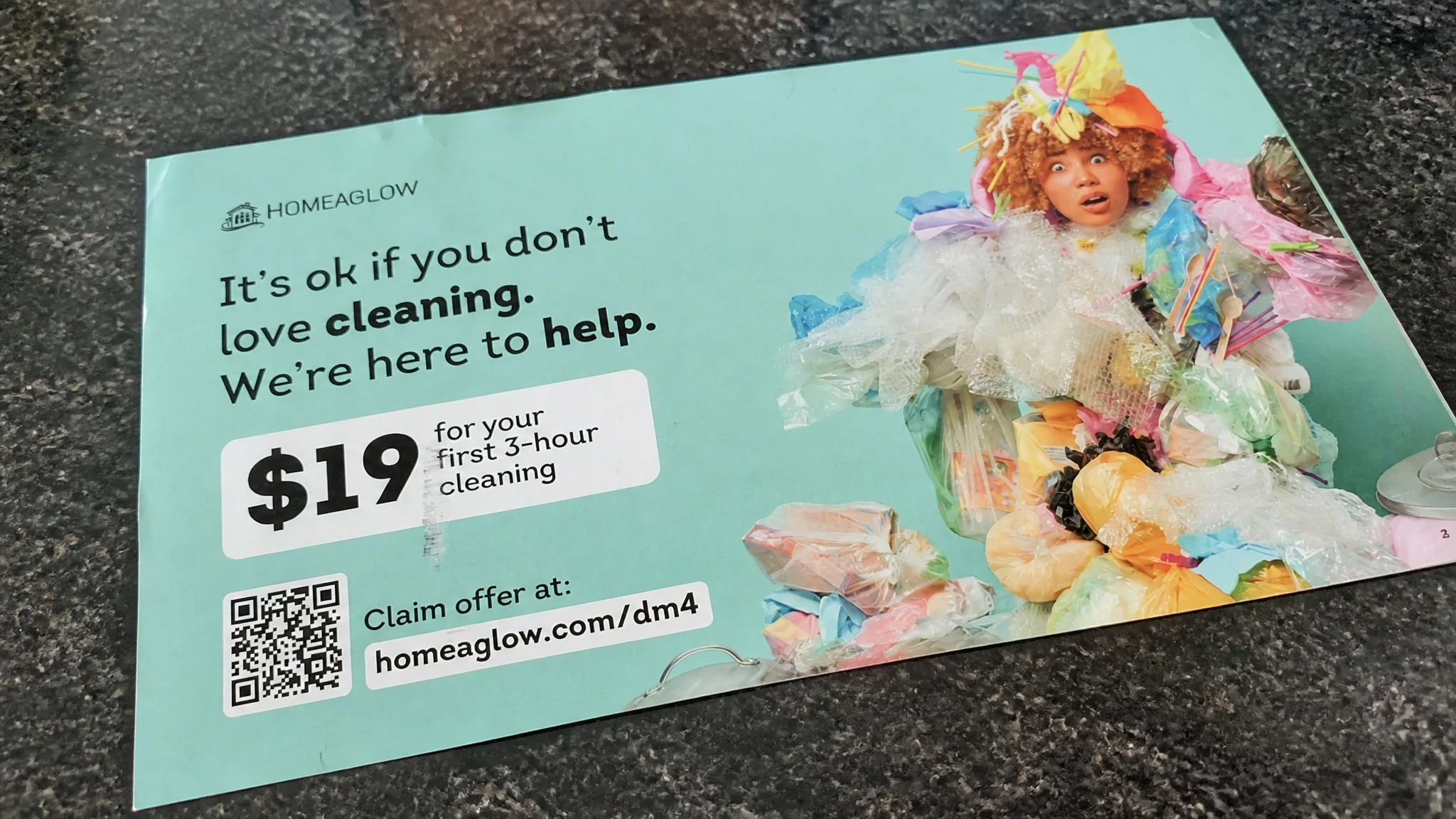
The Homeaglow lawsuit is a group of consumer-protection cases over the company's $19 first-cleaning offer and its automatically renewing ForeverClean membership. Two proceedings carry most of the weight: an enforcement action by the Washington Attorney General and a proposed class action by California consumers.
The Washington case is State of Washington v. Homeaglow, Inc., No. 26-2-15488-1 SEA, in King County Superior Court. The California case is Seneca v. Homeaglow, Inc., No. 8:23-cv-02308, in the U.S. District Court for the Central District of California.
Homeaglow, Inc. is a Delaware corporation based in Austin, Texas that matches house cleaners with customers and also does business as Dazzling Cleaning. Neither case is a multidistrict litigation, and Homeaglow denies wrongdoing in both.
“This Class Action seeks recovery on behalf of Plaintiffs and other similarly situated consumers in California for violations of California's Unfair Competition Law, False Advertising Law, and Consumer Legal Remedies Act; breach of contract; conversion; unjust enrichment; negligent misrepresentation; and imposition of an illegal penalty under California Civil Code, section 1671.”
Source: Seneca v. Homeaglow, Inc., No. 8:23-cv-02308-JVS-ADS (C.D. Cal.), Third Amended Class Action Complaint, Document 39, paragraph 4 (June 23, 2025)
Why Are People Filing Homeaglow Lawsuits?
People are filing Homeaglow lawsuits because they say a $19 cleaning offer concealed a recurring ForeverClean membership that cost far more than the advertised price. The Washington complaint says the ad promised a three-hour cleaning for $19, but buying it enrolled the customer in a $59-per-month membership with a six-month minimum.
The membership does not include any cleanings. Members still pay each cleaner's hourly rate plus a transaction fee of 5% to 15%, according to the Washington complaint, so the monthly fee buys only the lower pricing tier. The California plaintiffs describe the same structure at $49 per month.
Customers who cancelled inside the first six months owed an early termination fee, which Homeaglow's terms describe as the gap between the full price and the discounted price of the first cleaning. Consumer advocates, regulators and private plaintiffs all say that math was not shown clearly before the customer paid.
The filings also challenge how Homeaglow presented its reputation. The Washington complaint alleges that the company advertised a Trustpilot rating that did not match the site's real data, which regulators treat as a separate consumer-protection problem.
What Injuries Are Included in the Homeaglow Lawsuit?
Four categories of injuries are included in the Homeaglow lawsuit: undisclosed membership enrollment, early termination fees, fake urgency at checkout and misleading customer reviews. The harms are financial, not physical, and each item below describes an allegation rather than a finding.
No court has ruled on any of these allegations. Homeaglow denies them, and the Washington consent decree states that it is not an admission of any violation.
Undisclosed Membership Enrollment
Undisclosed enrollment means a customer is signed up for a recurring paid plan without being clearly told that the plan comes with the purchase.
The California plaintiffs allege that they believed they were buying a single discounted cleaning and did not know they had joined the ForeverClean membership. They say they would not have bought the cleaning had they known.
Washington alleges that the membership terms appeared only in fine print and a pop-up tooltip, and that those disclosures were not clear and conspicuous and left out material terms. The state also alleges the ad promised customers could cancel at any time and that purchases were fully refundable, which the early termination fee contradicted.
Early Termination Fees
An early termination fee is a charge a company bills when a customer ends a contract before its minimum term is over.
Washington's complaint describes one customer who bought what was advertised as a $79 cleaning. She paid $358.50 to cancel the membership and $600.75 in total, according to the Attorney General, for a single seven-hour cleaning.
The California plaintiffs go further and argue that the fee is an illegal penalty under California Civil Code section 1671(d). They allege it is excessive and bears no relation to any actual loss Homeaglow suffers when a customer cancels, and one named plaintiff says she paid the fee.
The two cases pleaded the fee under different legal theories, and neither court has decided whether the fee was lawful.
Fake Urgency at Checkout
A fake urgency tactic is a countdown or scarcity message that pushes a buyer to decide quickly even though the deadline or limit is not real.
Washington alleges that the sign-up flow showed a ten-minute countdown clock and an "Only X Vouchers Remaining" warning, usually 10 or fewer. The complaint says both were fictional because the clock restarted at 10:00 when it reached zero.
The nonprofit Truth in Advertising reported the same behavior in its own review of the checkout in September 2025. The Attorney General says the pressure discouraged customers from reading the membership terms before paying.
Misleading Customer Reviews
A misleading review claim alleges a company showed ratings or testimonials that did not reflect what real customers had said.
Washington alleges that Homeaglow advertised a five-star Trustpilot rating based on 6,406 reviews, while Trustpilot's own data showed an average of about 1.3 stars across just over 2,000 reviews. The state says the company kept running that ad after Trustpilot warned that fabricated reviews had been detected.
The complaint adds that Homeaglow solicited reviews after every cleaning but published only positive ones on its own site to maintain a 4.8-star average. This theory appears in the Washington case, not in the Seneca complaint.
Who Qualifies for the Homeaglow Lawsuit?
You may qualify if:
- You live in California and bought a discounted Homeaglow or Dazzling Cleaning cleaning that came with a ForeverClean membership
- You were charged ForeverClean renewal fees within the limitations period, which makes you a possible member of the Automatic Renewal Class
- You also paid a ForeverClean early termination fee, which makes you a possible member of the Early Termination Fee Class
You may not qualify if:
- You live outside California, since the proposed Seneca classes cover California residents only
- You never paid a ForeverClean renewal charge or early termination fee
- You are Homeaglow, one of its officers or directors, or the judge assigned to the case
- You expect a payout now, since no class has been certified and no settlement has been reported
The Seneca classes are proposed, not certified, so no one is currently a class member and no claim form exists. The Washington consent decree is a state enforcement action and sets no individual claims process. Only a qualified attorney reviewing your charges and your state can confirm whether you have a claim.
What Is the Current Status of the Homeaglow Lawsuit?
The current status of the Homeaglow lawsuit is that the Washington case ended in a consent decree while the California class action Seneca v. Homeaglow remains pending. No court has ruled on whether Homeaglow's marketing or fees were unlawful.
The two cases have separate dockets, separate parties and separate outcomes, so no combined case count exists. Neither one is part of a federal MDL.
Seneca v. Homeaglow, Inc.
Seth Seneca and Lisa Andoh, both California residents, brought this proposed class action over Homeaglow's discounted cleaning offer. The case was removed to federal court under the Class Action Fairness Act, and Nicholas & Tomasevic, LLP represents the plaintiffs.
| Court | U.S. District Court, Central District of California |
| Case Number | 8:23-cv-02308-JVS-ADS |
| Plaintiffs | Seth Seneca and Lisa Andoh |
| Defendant | Homeaglow, Inc. d/b/a Dazzling Cleaning |
| Claims Alleged | Unfair Competition Law, False Advertising Law, Consumers Legal Remedies Act, breach of contract, conversion, unjust enrichment, negligent misrepresentation, illegal penalty under Civil Code section 1671 |
| Proposed Classes | Automatic Renewal Class and Early Termination Fee Class, both limited to California residents |
| Current Stage | Third amended complaint filed June 23, 2025; no class certification or settlement found as of November 2026 |
On March 19, 2025, the Ninth Circuit affirmed the denial of Homeaglow's motion to compel arbitration in an unpublished memorandum, No. 24-887. The panel of Judges Sanchez, H.A. Thomas and Liburdi agreed that the arbitration and class-waiver terms appeared only after the customer had bought the voucher and was merely scheduling a cleaning, so they were not presented in a reasonably conspicuous way.
That ruling keeps the claims in court rather than individual arbitration. It does not decide the merits, and an unpublished memorandum is not precedent except as Ninth Circuit Rule 36-3 provides.
State of Washington v. Homeaglow, Inc.
Washington Attorney General Nick Brown's office brought this enforcement action under the state Consumer Protection Act, RCW 19.86. The complaint and the consent decree both carry a King County Superior Court filing stamp of May 11, 2026.
| Court | King County Superior Court, Washington |
| Case Number | 26-2-15488-1 SEA |
| Filed | May 11, 2026 |
| Plaintiff | State of Washington |
| Defendants | Homeaglow, Inc. d/b/a Dazzling Cleaning; ABAP Partners, LLC; Aaron Cheung; Xiao Wei Chen |
| Claims Alleged | Violations of the Washington Consumer Protection Act |
| Resolution | Consent decree with no admission of wrongdoing |
| Payment | $2,250,000 to the State of Washington, due within 30 days of the decree's effective date |
| Monitoring | Annual compliance reports for four years; individual defendants bound for 10 years |
The consent decree requires Homeaglow to disclose the membership and its terms alongside any introductory offer, to obtain express informed consent before charging for the membership, and to let customers cancel as easily as they enrolled. It also bars misrepresenting or suppressing customer reviews, with penalties of up to $125,000 per violation for noncompliance.
For existing ForeverClean memberships, paragraph 4.18 requires Homeaglow to stop charging the early termination fee and to cancel immediately when a customer asks. The Attorney General's announcement described this relief for Washington members.
Is There a Homeaglow Lawsuit Payout?
No. No payout to individual customers has been announced in the Homeaglow lawsuit as of November 2026.
The $2.25 million in the Washington case goes to the Attorney General's Office for its costs and attorney's fees, monitoring, and future enforcement of the state consumer protection law, not to customers. The decree also requires Homeaglow to cooperate with any effort to distribute restitution to Washington consumers, but it sets no restitution amount and no claim form.
The California plaintiffs in Seneca seek damages, restitution, disgorgement of profits, public injunctive relief and attorneys' fees, according to the Top Class Actions summary of the complaint. No court has certified a class, and no settlement amount has been reported.
Any estimate of what a Homeaglow customer might recover would be speculation today. A qualified attorney can tell you whether your own charges fall inside a proposed class.
Homeaglow Lawsuit Updates and Case Status
Here is the current status of the Homeaglow lawsuit, updated with new filings, rulings, and case-count reports as they're confirmed. Litigation in the Seneca v. Homeaglow class action remains active as of November 2026, with no bellwether trial or settlement completed. The timeline below tracks every confirmed development from the first filing forward.
Homeaglow Lawsuit Timeline of Events
Washington Announces the Homeaglow Consent Decree
Washington Attorney General Nick Brown announced on May 21, 2026 that his office had reached a consent decree with Homeaglow, which also does business as Dazzling Cleaning, and its two founders, requiring them to stop what the office called deceptive and predatory practices, and Washington members of the ForeverClean program were told they could cancel without the early termination fee.
Washington Files Its Complaint and the Consent Decree
The State of Washington filed State of Washington v. Homeaglow, Inc., No. 26-2-15488-1 SEA, and the consent decree on May 11, 2026 in King County Superior Court, with Homeaglow agreeing to pay $2.25 million and to overhaul its sign-up, cancellation and review practices without admitting the allegations.
Trustpilot Rating Falls After the Review Investigation
Truth in Advertising reported on September 23, 2025 that Homeaglow's Trustpilot rating had dropped from 4.5 stars to 1.3 stars since August, and that the number of reviews listed on its Trustpilot profile had fallen from more than 11,000 to fewer than 1,800.
TINA.org Files an FTC Complaint Against Homeaglow
The advocacy group Truth in Advertising (TINA.org) filed a complaint with the Federal Trade Commission on September 8, 2025 alleging that Homeaglow violated the Restore Online Shoppers' Confidence Act and the FTC's fake reviews rule, and sent complaint letters to 12 states and the District of Columbia. Homeaglow told TINA.org it strongly disputes the allegations.
Trustpilot Sends a Cease-and-Desist Letter
Trustpilot sent Homeaglow a cease-and-desist letter on August 28, 2025 after finding that 30% of the reviews posted on the company's profile in the prior six months were fabricated, according to Truth in Advertising.
Seneca Plaintiffs File a Third Amended Complaint
Seth Seneca and Lisa Andoh filed a third amended class action complaint in Seneca v. Homeaglow, Inc., Case No. 8:23-cv-02308, on June 23, 2025, asserting eight counts and defining an Automatic Renewal Class and an Early Termination Fee Class of California consumers.
Ninth Circuit Upholds the Denial of Arbitration in Seneca
The Ninth Circuit affirmed on March 19, 2025, in No. 24-887, the district court's refusal to send Seneca v. Homeaglow, Inc. to arbitration, holding that Homeaglow did not show its arbitration and class-waiver terms in a reasonably conspicuous manner when customers bought the discounted voucher.
Ninth Circuit Hears Argument in the Seneca Appeal
A Ninth Circuit panel heard argument in Homeaglow's appeal of the order denying arbitration in Seneca v. Homeaglow, Inc. on March 3, 2025 in Pasadena, California, about two weeks before it affirmed.
Consumer Files a Robocall Class Action Against Homeaglow
Top Class Actions reported on February 12, 2025 that Precious Jones had filed a class action against Homeaglow, Inc. in Texas federal court alleging pre-recorded telemarketing calls in violation of the Telephone Consumer Protection Act, a case separate from the Seneca membership claims.
Pennsylvania Settles Its Enforcement Action
According to Truth in Advertising, Pennsylvania brought an enforcement action against Homeaglow in 2024 over its discounted cleaning offers and settled it, with Homeaglow agreeing to pay $30,000 and to disclose its membership terms clearly.
Homeaglow Detects a Credential-Stuffing Attack
Homeaglow reported detecting an unusually high volume of login attempts using externally acquired credentials on December 18, 2023, reset passwords for affected accounts and offered two years of identity protection, an incident unrelated to the membership claims.
California Consumers File Seneca v. Homeaglow
Seth Seneca and Lisa Andoh filed Seneca v. Homeaglow, Inc. in 2023, according to the docket number 8:23-cv-02308, as a proposed class action alleging that the $19 offer concealed a ForeverClean membership with an early termination fee.
Worker Misclassification Class Action Announced in California
Zakay Law Group and JCL Law Firm announced on April 29, 2022 a class action against Homeaglow, Inc. in San Joaquin County Superior Court, No. STK-CV-UOE-2022-2619, alleging it misclassified California cleaners as independent contractors.
How to File a Homeaglow Lawsuit
Filing a Homeaglow lawsuit typically follows the 5 steps below.
- Pull your Homeaglow charges: List every charge from your bank or card statements, including the $19 cleaning, each monthly ForeverClean fee, each transaction fee and any early termination fee.
- Save the sign-up record: Keep the confirmation emails, the checkout screenshots and the terms you were shown, since the claims turn on what customers saw before paying.
- Document every cancellation attempt: Write down the dates and methods you used to cancel and keep any support chats or emails that show Homeaglow's replies.
- Cancel and report the dispute: Washington members can use the cancellation link and email address from the Attorney General's announcement, and any customer can file a complaint with the FTC or their state attorney general.
- Consult a consumer class action attorney: A lawyer can confirm whether you live in California, whether your charges fall inside a proposed Seneca class and whether any deadline applies to you.
Answer a few questions and a case reviewer will follow up. Free, no obligation.
A case reviewer will follow up soon.
What Evidence Do I Need for a Homeaglow Lawsuit?
A Homeaglow lawsuit generally relies on payment records, sign-up screens and cancellation messages that show what the customer was told and what the customer paid. Card statements are the core evidence because they show the $19 charge followed by monthly membership fees and any early termination fee.
Screenshots or emails from the booking process matter because both cases argue that the membership terms were not clear before payment. The Ninth Circuit's arbitration ruling itself turned on what the checkout and scheduling screens showed.
Written cancellation requests and Homeaglow's replies show whether cancelling was easy. Only a qualified attorney can say which of these records a particular claim would need.
What Is Homeaglow Allegedly Responsible for in the Homeaglow Lawsuit?
Homeaglow is allegedly responsible for advertising a $19 first cleaning without clearly disclosing the ForeverClean membership, the transaction fees and the early termination fee. Washington extends that responsibility to the company's two founders and to its subsidiary.
Homeaglow also does business as Cozy Maid, Bubbly Cleaning, Dapper Maids and AT Maid, according to the Washington complaint. The company has told TINA.org it strongly disputes the allegations, and the consent decree states that the defendants deny any wrongdoing.
| Defendant | Role | Alleged conduct |
|---|---|---|
| Homeaglow, Inc. d/b/a Dazzling Cleaning | Delaware corporation based in Austin, Texas that runs the cleaning platform | Advertised the $19 offer and enrolled customers in ForeverClean without clear disclosure, per Washington and Seneca |
| ABAP Partners, LLC | Wholly owned Homeaglow subsidiary that provides services to the company | Named in the Washington case only, for acting at the direction of the other defendants |
| Aaron Cheung | Co-founder, CEO and board president of Homeaglow | Named in the Washington case only, as an individual who allegedly led or approved the conduct |
| Xiao Wei Chen | Co-founder and board secretary of Homeaglow | Named in the Washington case only, as an individual who allegedly led or approved the conduct |
The Pennsylvania enforcement action and the TINA.org complaint to the FTC, both described in the timeline above, name Homeaglow alone and involve the same $19 offer. No court has found Homeaglow liable in any of these matters.
How Does the Homeaglow Lawsuit Compare to Related Cases?
The Homeaglow lawsuit compares to related cases as a consumer-protection dispute about subscription pricing, whereas the other Homeaglow matters involve robocalls, worker pay or a data incident. The table sets the matters side by side so they are not confused.
| Matter | Type | Forum | Status |
|---|---|---|---|
| Seneca v. Homeaglow, Inc. | Consumer class action over the $19 offer and ForeverClean | C.D. Cal., No. 8:23-cv-02308 | Pending, no class certified |
| State of Washington v. Homeaglow, Inc. | State consumer-protection enforcement | King County Superior Court, No. 26-2-15488-1 SEA | Consent decree filed May 11, 2026 |
| Jones v. Homeaglow, Inc. | Telephone Consumer Protection Act robocall class action | Texas federal court | Reported February 2025, no later status found |
| Cleaner misclassification class action | Wage claims by cleaners treated as independent contractors | San Joaquin County Superior Court, No. STK-CV-UOE-2022-2619 | Announced April 2022, current status not confirmed |
| December 2023 credential-stuffing incident | Account-access security incident | Company notice, no lawsuit confirmed here | Passwords reset, identity protection offered |
Cleaners who say Homeaglow misclassified or underpaid them are in a different position from customers charged for ForeverClean. Their claims concern wages and employment status, so the customer-side Seneca classes do not cover them.
Frequently Asked Questions
What is the Homeaglow lawsuit about?
The Homeaglow lawsuit is about a $19 first-cleaning offer that the Washington Attorney General and California consumers say concealed a recurring ForeverClean membership and an early termination fee. Homeaglow denies wrongdoing in both cases.
Is the Homeaglow lawsuit a class action?
Yes, one Homeaglow lawsuit is a class action. Seneca v. Homeaglow, Inc. is a proposed class action for California consumers and no class has been certified, while the Washington case was a state enforcement action with no class and no claim form.
How much did Homeaglow agree to pay in the Washington settlement?
Homeaglow agreed to pay $2.25 million in the Washington settlement, under a consent decree filed May 11, 2026. The money goes to the State of Washington, not to individual customers, and Homeaglow admitted no wrongdoing.
Is there a Homeaglow lawsuit payout?
No, there is no Homeaglow lawsuit payout for individual customers as of November 2026. The Washington decree sets no consumer payment, and no settlement has been reported in Seneca.
Can I cancel my Homeaglow ForeverClean membership without a fee?
Yes, Washington members can cancel their Homeaglow ForeverClean membership without the early termination fee under the consent decree. The Attorney General's announcement describes the relief for Washington members, so customers elsewhere should check their own terms or consult an attorney.
Is Dazzling Cleaning the same company as Homeaglow?
Yes, Dazzling Cleaning is the same company as Homeaglow. Homeaglow, Inc. does business as Dazzling Cleaning, and the Seneca and Washington cases both name it that way.
Did Homeaglow win the arbitration appeal in Seneca?
No, Homeaglow lost the arbitration appeal in Seneca. The Ninth Circuit affirmed on March 19, 2025 that Homeaglow did not present its arbitration terms in a reasonably conspicuous manner, which keeps the case in court.
Is the Homeaglow robocall lawsuit the same as the membership lawsuit?
No, the Homeaglow robocall lawsuit is a different case from the membership lawsuit. Jones v. Homeaglow, Inc. alleges unwanted telemarketing calls under the Telephone Consumer Protection Act and was reported in Texas federal court, not in the Seneca membership case.