
What Is the Google Lawsuit?
The Google lawsuit covered on this page is a certified class action against Google LLC and Alphabet Inc. over how the Google Assistant voice feature recorded and handled user audio, formally captioned In re Google Assistant Privacy Litigation, Case No. 5:19-cv-04286, in the U.S. District Court for the Northern District of California, San Jose Division.
Unlike a federal multidistrict litigation consolidating cases from around the country, this is a single certified class action, meaning U.S. residents who meet the class definitions below are automatically included unless they opted out by the court's exclusion deadline.
Google LLC and its parent company, Alphabet Inc., are the named defendants. The Honorable Beth Labson Freeman presides over the case in San Jose federal court.
Why Are People Filing Google Lawsuits?
Plaintiffs filed the Google lawsuit because Google Assistant allegedly activated and recorded audio even when a user never intentionally triggered it with a wake word such as "Hey Google" or "OK Google," an event the case calls a False Accept.
The complaint alleges Google collected, used, and in some instances shared these unintended recordings, including sending certain audio clips to third-party contractors for review and using recordings to improve Google's own speech-recognition systems, conduct plaintiffs say breached both users' privacy rights and Google's own stated privacy policy.
Google denies any wrongdoing and has not admitted liability. The company agreed to the $68 million settlement to resolve the litigation rather than continue contesting it through trial.
What Injuries Are Included in the Google Lawsuit?
The Google lawsuit centers on one primary category of harm: an invasion of privacy from unintended audio recording, rather than physical injury or direct financial loss. The definitions below explain the underlying legal concepts in plain language.
Unintentional Audio Recording (False Accept)
A False Accept is an event where a voice-activated device begins recording and processing audio without the user having spoken the actual wake word intended to trigger it.
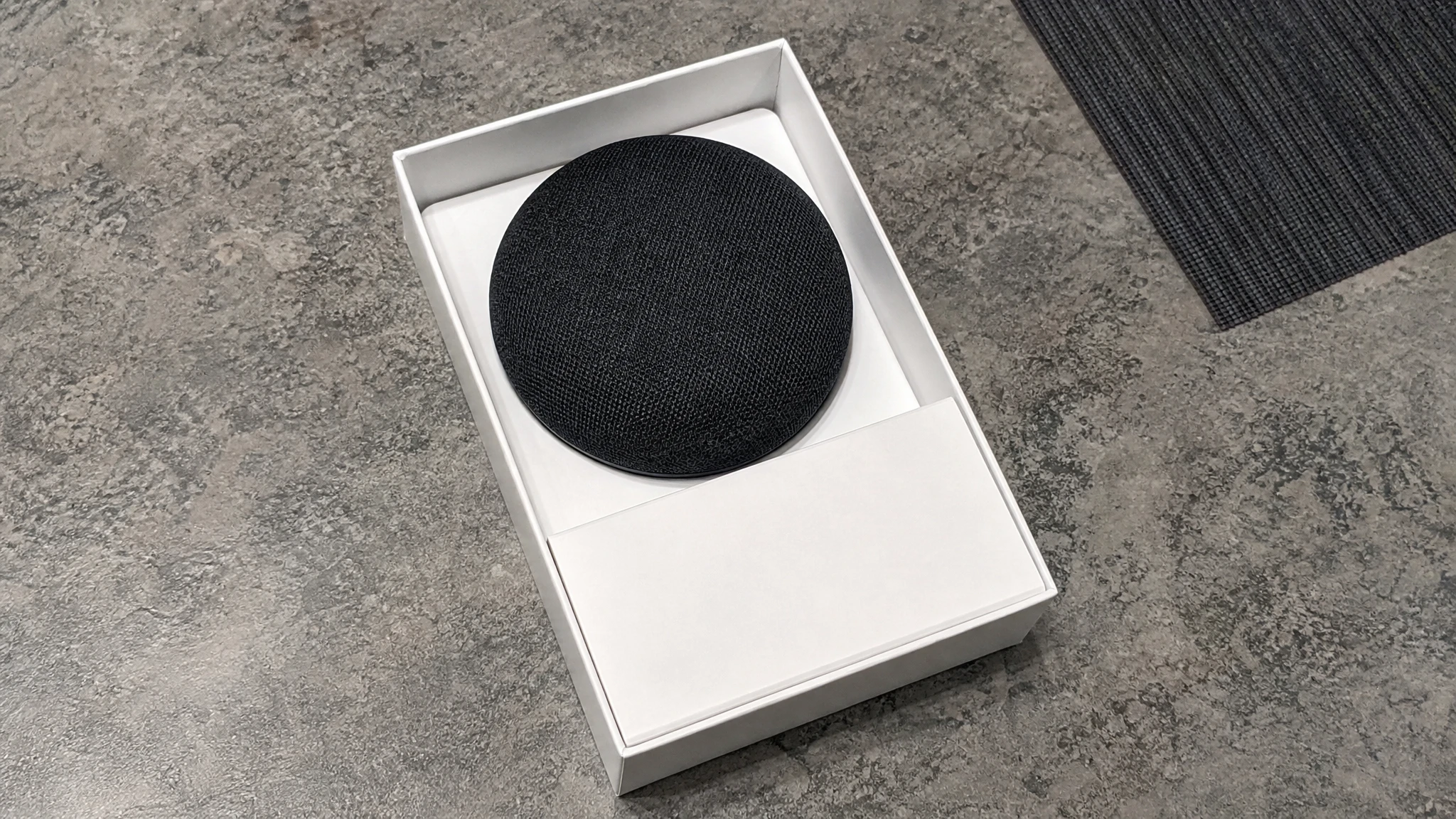
The case alleges Google Assistant-enabled devices, including Google Home, Home Mini, Home Max, Nest Hub, Nest Hub Max, and Pixel smartphones, sometimes activated on background noise or unrelated speech and began recording without the user's intentional input. Plaintiffs allege this recording occurred inside private spaces, including homes, without the informed consent the wake-word design is meant to require.
Disclosure to Third-Party Review Vendors
Third-party review in this context means a company outside Google that was given access to recorded audio clips to manually review and label them, typically to help train speech-recognition software.
Plaintiffs allege that some recordings captured through False Accepts were sent to outside contractors for human review, without the recorded individual's knowledge or consent, compounding the underlying privacy claim with an unauthorized third-party disclosure.
Who Qualifies for the Google Lawsuit?
You may qualify if:
- You purchased a Google-made device capable of running Google Assistant, such as Google Home, Home Mini, Home Max, Nest Hub, Nest Hub Max, or a Pixel smartphone, in the U.S. or its territories between May 18, 2016 and March 19, 2026
- You (or someone in a household using Google Assistant) had communications recorded or obtained through a False Accept, or disclosed to a third-party review vendor, during that same period, even if you never purchased a qualifying device yourself
You may not qualify if:
- You never purchased a qualifying Google Assistant-enabled device and never had a recording made or obtained through a False Accept or third-party disclosure during the class period
- You submitted a request to be excluded from the class by the court's exclusion deadline, which removes you from the settlement and preserves your right to sue separately
Only the court-appointed settlement administrator, or a qualified attorney reviewing your own account and purchase records, can confirm your individual eligibility and expected payment amount under this settlement.
What Is the Current Status of the Google Lawsuit?
The current status of the Google lawsuit is a certified class action that has reached a $68 million settlement, with the claims-filing window closed and final court approval still pending.
In re Google Assistant Privacy Litigation, Case No. 5:19-cv-04286 (N.D. Cal.)
Plaintiffs filed the underlying case in the U.S. District Court for the Northern District of California, San Jose Division, in 2019, alleging Google Assistant recorded and used audio without proper consent. The court certified two settlement classes: a Purchaser Class covering people who bought qualifying Google-made devices, and a Privacy Settlement Class covering people whose communications were recorded or disclosed through a False Accept regardless of purchase. Judge Beth Labson Freeman granted preliminary approval of the $68 million settlement, opening a claims period that closed on August 27, 2026, with a final approval hearing scheduled for October 1, 2026.
| Proceeding Type | Certified federal class action, not an MDL or federal antitrust matter |
| Court | U.S. District Court, Northern District of California, San Jose Division |
| Judge | The Honorable Beth Labson Freeman |
| Settlement Fund | $68,000,000 |
| Class Period | May 18, 2016 through March 19, 2026 |
| Claims Deadline | August 27, 2026 (passed) |
| Final Approval Hearing | October 1, 2026 |
How Much Is the Google Lawsuit Settlement Worth?
The Google Assistant privacy settlement totals $68 million, split proportionally between two settlement classes based on a points system rather than a fixed per-person amount.
$68 million is the court-approved settlement fund total, checkable and definitive. What any individual class member actually receives depends on how many valid claims are filed and how many points that person's own claim earns, which the settlement administrator's own records determine, not a fixed dollar figure this page can state in advance.
Each qualifying Google-made device a claimant purchased earns four points, up to a maximum of three devices (12 points), while membership in the Privacy Settlement Class alone, without a device purchase, earns one point.
The fund is then divided proportionally among everyone who filed a valid claim by the August 27, 2026 deadline, so a claimant's final payment cannot be known until the court grants final approval and the administrator finishes counting valid claims.
Latest Google Lawsuit Updates
The latest Google lawsuit updates and news, including new filings, rulings, and case-count reports, are tracked below as they're confirmed. The Google MDL settled as of September 2026; the terms and timing are covered in the entries below. See the full timeline below for every confirmed development since the litigation began.
Full Google Lawsuit Timeline
Claims-Filing Deadline Closes
The deadline for class members to submit a claim in the Google Assistant privacy settlement passed on August 27, 2026, closing the window for new claims ahead of the court's final approval hearing.
Google Agrees to $68 Million Settlement
Google LLC and Alphabet Inc. agreed to pay $68 million to resolve claims that Google Assistant recorded user communications without intentional activation, ending years of litigation in the Northern District of California without a trial.
Google Assistant Privacy Litigation Consolidated
Multiple individual lawsuits alleging unintended Google Assistant recordings were consolidated into In re Google Assistant Privacy Litigation before Judge Beth Labson Freeman in the Northern District of California.
How to File a Google Lawsuit
To file a Google lawsuit, follow the 4 steps listed below.
- Check your email, including your spam folder, for a settlement notice: Eligible class members were sent a notice with the subject line "Google Assistant Privacy Litigation Settlement," including a unique ID and PIN used to file a claim before the deadline.
- Confirm which settlement class applies to you: The Purchaser Class covers people who bought a qualifying Google Assistant-enabled device, while the Privacy Settlement Class covers people whose communications were recorded or disclosed through a False Accept, whether or not they purchased a device.
- Review your claim status if you already filed: Since the August 27, 2026 claims deadline has passed, claimants who already filed should watch for updates from the settlement administrator following the October 1, 2026 final approval hearing rather than resubmit a claim.
- Consult a qualified attorney if you believe you were wrongly excluded: Only the settlement administrator or a qualified attorney reviewing your own Google account and purchase records can confirm whether you were eligible and whether your claim was properly received.
Google Lawsuit is no longer accepting new claims. The claims-filing deadline for this settlement passed on August 27, 2026. The court has not yet held the final approval hearing, scheduled for October 1, 2026, so no payments have been distributed yet and no new claims can be submitted.
What Evidence Do I Need for the Google Lawsuit Settlement?
Google's own account, purchase, and device-activation records, not documents a claimant needs to gather personally, are the primary evidence the settlement administrator relies on to verify Purchaser Class membership and points.
Claimants who believe their own records are incomplete can keep copies of device purchase receipts or order confirmations, Google account device-registration pages, and any settlement notice emails received, as supporting evidence if a dispute arises over eligibility or point calculation.
What Did Google Allegedly Know About Assistant Recordings?
Plaintiffs allege Google knew Google Assistant could activate and record audio without an intentional wake-word trigger and continued the practice, including sharing some recordings with outside review vendors, despite its own privacy policy describing Assistant as activating only on a deliberate wake word.
Google has not admitted wrongdoing and denies the allegations as part of the settlement, but agreed to pay $68 million to resolve the case rather than continue litigating it through trial.
How Does the Google Assistant Case Compare to Other Google Lawsuits?
Google faces several other legally distinct cases that share the company's name but are not part of the Google Assistant privacy settlement described on this page. Each is listed below for disambiguation only; none of their facts are part of Case No. 5:19-cv-04286's own claims or settlement.
| Matter | What It Involves | Relationship to This Case |
|---|---|---|
| Rodriguez v. Google LLC, Case No. 20-cv-4688-RS (N.D. Cal.) | A separate certified class action alleging Google collected app-activity data through the Firebase and Google Mobile Ads SDKs even after users turned off Web & App Activity tracking, resulting in a September 2025 jury verdict of more than $425 million | Separate case, separate conduct (background app-activity tracking, not Google Assistant recordings), still in post-verdict proceedings |
| Android cellular-data class action, $135 million settlement | A class action alleging Android devices transmitted user data over cellular networks without permission, even when idle, resolved for $135 million covering an estimated 100 million users | Separate case about Android background data transfer, not Google Assistant voice recordings |
| Google Play Store multistate antitrust settlement, $700 million | A lawsuit brought by state attorneys general alleging Google monopolized Android app distribution and in-app billing, resolved for $700 million | Separate antitrust matter over app-store competition, unrelated to Assistant privacy claims |
| United States v. Google LLC (search antitrust case) | A federal antitrust case brought by the DOJ and more than 30 states, resulting in an August 2024 ruling that Google held an illegal monopoly in search and search advertising | Separate federal antitrust case over search-market competition, not a privacy class action and not part of this settlement |
Frequently Asked Questions
What is the Google lawsuit about?
The main Google lawsuit covered here is In re Google Assistant Privacy Litigation, Case No. 5:19-cv-04286, alleging Google Assistant recorded user communications without intentional activation, resolved by a $68 million class action settlement.
Is the Google Assistant lawsuit a class action?
Yes. It is a certified federal class action in the Northern District of California, not a multidistrict litigation or a direct government enforcement action, with two certified classes: a Purchaser Class and a Privacy Settlement Class.
Has the Google Assistant lawsuit settled?
Yes. Google agreed to pay $68 million, the claims deadline passed on August 27, 2026, and the court's final approval hearing is scheduled for October 1, 2026 before any payments go out.
Can I still file a claim in the Google Assistant settlement?
No. The deadline to submit a claim in this settlement passed on August 27, 2026, so a new claim submitted after that date will not be accepted; only claimants who filed on time remain eligible for a payment.
Are the Google Assistant and Google antitrust lawsuits the same case?
No. United States v. Google LLC is a separate federal antitrust case over search-market competition, legally distinct from the Google Assistant privacy class action, even though both name Google as defendant.
What is the Rodriguez v. Google lawsuit and is it part of this settlement?
Rodriguez v. Google, Case No. 20-cv-4688-RS, is a separate, still-unresolved case over background app-activity tracking that produced a September 2025 jury verdict of more than $425 million, distinct from the Google Assistant recording claims this page covers.