
What Is the Flo Lawsuit?
The Flo lawsuit is a federal privacy class action over the Flo period and ovulation tracker app. The case is formally captioned Frasco v. Flo Health, Inc., No. 3:21-cv-00757-JD, in the U.S. District Court for the Northern District of California. Judge James Donato presides.
Plaintiffs allege the app sent users' menstruation and pregnancy entries to Google, Meta and Flurry. The sharing allegedly ran through code built into the app. No hacker was involved, so the case is not a data breach. It is also not a multidistrict litigation.
Flo Health, Google and Flurry settled. Meta Platforms took the case to a jury trial and lost.
“Named plaintiffs Erica Frasco, Sarah Wellman, Justine Pietrzyk, Jennifer Chen, Tesha Gamino, Leah Ridgway, Autumn Meigs, and Madeline Kiss have alleged a variety of privacy claims against Flo Health, Inc. (Flo), Google LLC, and Meta Platforms, Inc. (Meta) in connection with the Flo Period and Ovulation Tracker app for women (Flo App). They say that, from 2016 to 2019, the Flo App surreptitiously transmitted users' highly personal information about menstruation, ovulation, pregnancy goals, and the like to Google and Meta through their software-development kits (SDKs), despite assurances to the contrary by Flo.”
Source: U.S. District Court, N.D. Cal., Frasco v. Flo Health, Inc., No. 21-cv-00757-JD, Order re Class Certification, Dkt. No. 605 (May 19, 2025)
Why Are People Filing Flo Lawsuits?
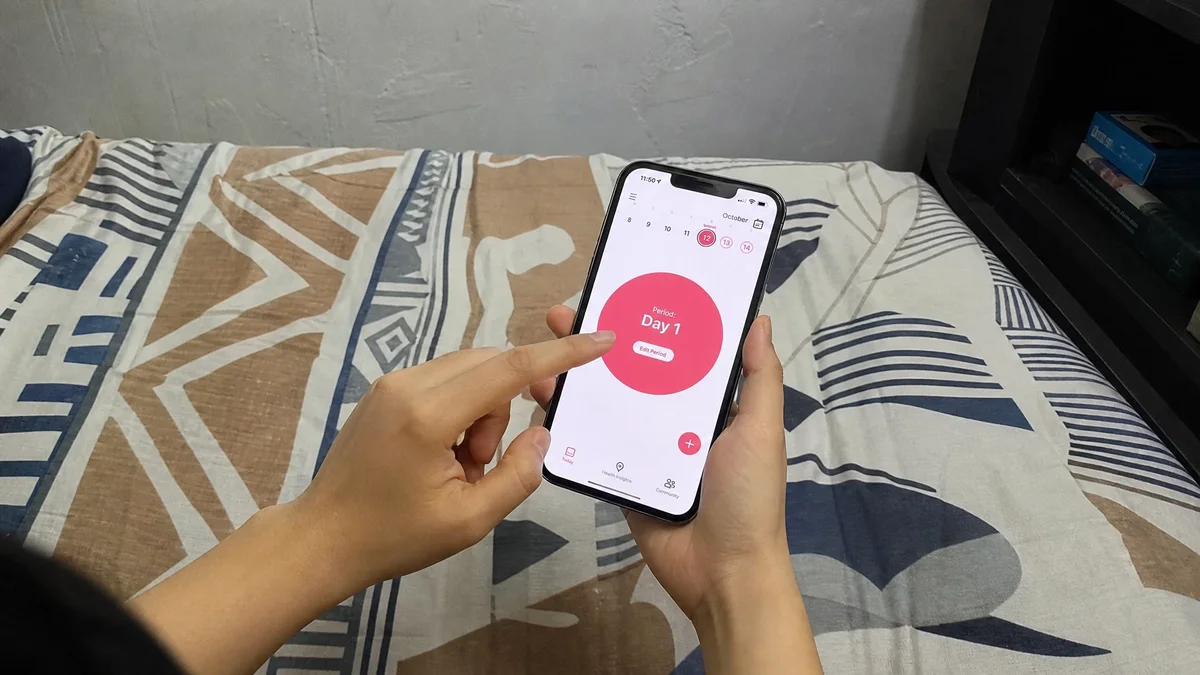
People are filing Flo lawsuits because the app allegedly shared private period and pregnancy entries with outside companies. The Flo app invited users to log menstrual cycles, symptoms, pregnancy goals and sexual activity. Plaintiffs say Flo recorded each entry as a named app event. Software kits from Meta, Google and others collected those event names.
The Federal Trade Commission's complaint gives an example, "R_PREGNANCY_WEEK_CHOSEN," which conveyed that a user had entered a pregnancy week.
Plaintiffs also say Flo promised privacy. The court's class certification order describes a 2017 and 2018 privacy policy. That policy said information about marked cycles, pregnancy and symptoms would be excluded from what third parties receive.
The Wall Street Journal reported on February 22, 2019 that the app sent health information to Facebook. Plaintiffs say they did not learn of the alleged sharing until early 2021. That was after Flo settled with the Federal Trade Commission.
What Injuries Are Included in the Flo Lawsuit?
The injuries included in the Flo lawsuit are five distinct privacy claims, not physical harms. Each claim is defined in plain language below. The court certified the claims for different groups and defendants. Not every claim applies to every company named.
Intrusion Upon Seclusion
Intrusion upon seclusion is a legal claim that someone intentionally intruded on a private matter. The intrusion must be highly offensive to a reasonable person.
Plaintiffs allege that Flo Health intruded on users' private reproductive health entries by sending them to outside companies. The court certified this claim against Flo Health for a nationwide class of U.S. users. Flo Health settled before any verdict on this claim, so no court has decided it.
Invasion of Privacy Under the California Constitution
The California Constitution lists privacy among residents' rights. A claim under it covers serious, unjustified intrusions into private information.
The court certified this claim against Flo Health for the California subclass only. That subclass means users who entered their information while living in California. Plaintiffs allege the sharing of cycle and pregnancy entries invaded a reasonable expectation of privacy. The settlement with Flo Health resolved this claim without a ruling.
Confidentiality of Medical Information Act Violation
The Confidentiality of Medical Information Act is a California law. It limits how health care providers and certain health software businesses may disclose medical information.
Plaintiffs allege Flo Health disclosed medical information in violation of this act. Flo Health argued the act did not cover period-tracking apps in 2016 through 2019. In May 2025 the court found fact disputes that sent the claim toward trial. Flo Health says the judge called the plaintiffs' evidence on this claim "insurmountable" the day before it settled. That is Flo Health's account, not a ruling.
Breach of Contract
Breach of contract is a claim that one party failed to honor an agreement. Here the agreement is the app's privacy policy and terms of use.
Plaintiffs allege Flo Health broke its own privacy promises by sharing entries it said it would keep private. The court certified this claim against Flo Health for the nationwide class. The court dropped a separate implied-contract version of the claim at summary judgment.
Eavesdropping Under the California Invasion of Privacy Act
Section 632 of the California Invasion of Privacy Act bars eavesdropping on a confidential communication. It requires the consent of everyone involved.
This is the only claim that reached a jury. Plaintiffs asserted it against Meta and Google for the California subclass. Google settled before trial. The jury found for the plaintiffs against Meta, as the case status section below explains.
Who Qualifies for the Flo Lawsuit?
You may qualify if:
- You used the Flo Period & Ovulation Tracker app in the United States
- You entered menstruation or pregnancy information into the app between November 1, 2016 and February 28, 2019
- You did not opt out of the class before the exclusion deadline, which has passed
- You lived in California when you entered that information, which generally earns a double share if verified
You may not qualify if:
- You used Flo only before November 1, 2016 or only after February 28, 2019
- You used a different period tracker, or you never entered menstruation or pregnancy information in Flo
- You used the app only outside the United States, where separate proceedings may apply
- You previously opted out of the class, because opted-out users generally cannot receive settlement payments
This summary describes the class definition the court certified and the settlement notice describes. The settlement administrator and the court make the final eligibility decisions. A qualified attorney can address your individual situation.
What Is the Current Status of the Flo Lawsuit?
The current status of the Flo lawsuit is split between two tracks. Flo Health, Google and Flurry settled, and those settlements await final court approval. Meta Platforms lost a jury verdict, and the amount it owes is still being decided.
Settlements With Flo Health, Google and Flurry
Judge James Donato preliminarily approved the three settlements on April 22, 2026. The claims process is open while final approval is pending. Preliminary approval is not a ruling on the merits.
| Court | U.S. District Court for the Northern District of California (San Francisco) |
| Case Number | 3:21-cv-00757-JD |
| Presiding Judge | Hon. James Donato |
| Case Type | Privacy class action, not a multidistrict litigation |
| Class Period | November 1, 2016 to February 28, 2019 |
| Preliminary Approval | April 22, 2026 |
| Objection Deadline | October 8, 2026 |
| Claim Deadline | October 15, 2026, 11:59 p.m. Pacific Time |
| Final Approval Hearing | October 29, 2026, 11:00 a.m. Pacific Time |
| Settlement Administrator | A.B. Data, Ltd. |
Final approval is the step that releases payments. An objection, an appeal or a rescheduled hearing can push payment timing back. These settlements resolve claims against only the three settling companies.
Verdict Against Meta Platforms
Meta Platforms is the only defendant that went through the full jury trial. On August 1, 2025, a unanimous jury found that Meta violated the California Invasion of Privacy Act. The jury found Meta eavesdropped on or recorded users' communications with the Flo app without their consent. It returned the verdict after about three hours of deliberation.
Judge Donato denied Meta's motions for decertification, judgment as a matter of law and a new trial. The order is dated September 17, 2025. The judge wrote that nothing in the record justified disturbing the California class or the verdict.
| Defendant | Meta Platforms, Inc. |
| Claim | California Invasion of Privacy Act, Section 632 (California subclass) |
| Verdict Date | August 1, 2025 |
| Jury Vote | Unanimous |
| Post-Trial Motions | Denied September 17, 2025 |
| Damages | Not yet determined by the court |
| Meta's Position | Denies the claims and has said it will appeal |
The jury was not asked to award damages. In September 2026, plaintiffs asked Judge Donato for a partial final judgment of about $1.1 billion. That figure covers roughly 222,000 California class members, according to Law360 and MLex reporting on the court filings. Meta opposed the request in late September 2026 and argues it violates its due process rights. The court has not ruled on the request.
How Much Is the Flo Lawsuit Payout Per Person?
The Flo lawsuit payout per person is not fixed, and published estimates range from roughly $12 to a few hundred dollars.
The amount depends on how many people file claims. The net fund is split pro rata after court-approved fees, expenses, taxes and service awards. California subclass members who verify their residence generally receive twice the share of other claimants. Every figure online is an estimate, not a guarantee. A share calculated at under $1.00 is reportedly not paid.
Flo Health, Google and Flurry contribute $8 million, $48 million and $3.5 million to the $59.5 million fund. Class counsel has asked the court for up to about $19.3 million in fees. Counsel also seeks up to $3.6 million in expenses and up to $155,000 in service awards. The court decides those amounts.
Payments follow the final approval hearing and any appeals, so money could arrive in 2027 or later. The court has not set a payment date.
The $59.5 million fund does not include Meta. Any money tied to the Meta verdict is a separate track. California law allows $5,000 per violation in statutory damages for the eavesdropping claim. That figure drives plaintiffs' pending judgment request.
Flo Lawsuit Updates
Here are the latest Flo lawsuit updates, covering court rulings, settlement milestones and the pending judgment request against Meta. As of October 2026, the settlements with Flo Health, Google and Flurry await final approval, and Meta's damages remain undecided. Every verified development is listed in the timeline below, in order.
Flo Lawsuit Timeline of Events
Flo Settlement Claims Deadline Passes Before October 29 Approval Hearing
The claims deadline for the $59.5 million Flo Health, Google and Flurry settlement in Frasco v. Flo Health passed on October 15, 2026, at 11:59 p.m. Pacific Time. The court-approved claims site is PeriodTrackerDataPrivacyLitigation.com, and the administrator, A.B. Data, reports the final claim count to the court by October 22. Judge James Donato holds the final approval hearing on October 29, 2026.
Meta Opposes $1.1 Billion Partial Judgment
Meta Platforms opposed plaintiffs' request for a partial final judgment of about $1.1 billion in Frasco v. Flo Health, covering roughly 222,000 California class members, in a filing Law360 reported on September 30, 2026. Meta argued the request bypasses its chance to test class members' claims and violates its due process rights. Judge James Donato had not ruled on the request.
Court Preliminarily Approves the Flo Health, Google and Flurry Settlements
Judge James Donato granted preliminary approval to the settlements with Flo Health, Google and Flurry on April 22, 2026. The judge found Google's $48 million and Flo Health's $8 million agreements appeared fair, reasonable and adequate. The ruling opened the claims process for class members but did not decide whether any settling company broke the law.
Court Denies Meta's Post-Trial Motions
Judge James Donato denied Meta's motions to decertify the California class, enter judgment as a matter of law and order a new trial. The amended order is dated September 17, 2025. The original order was filed two days earlier, and the amendment corrected typographical errors without changing the substance.
Jury Finds Meta Liable Under California Privacy Law
A San Francisco jury unanimously found on August 1, 2025 that Meta Platforms violated Section 632 of the California Invasion of Privacy Act. The violation involved ovulation and menstrual period information that women communicated through the Flo app. The jury deliberated for about three hours and was not asked to set damages.
Flo Health Settles During Trial
Flo Health announced on July 31, 2025 that it had settled the class action midway through the jury trial for $8 million. The settlement included no admission of wrongdoing. Flo Health said the judge had called the evidence on one claim an "insurmountable" problem for plaintiffs a day earlier. That is the company's account of the exchange.
Jury Trial Begins in San Francisco
The jury trial in Frasco v. Flo Health began on July 21, 2025 in federal court in San Francisco. The class opt-out period had closed the day before, on July 20. Google had settled in principle about two weeks earlier. That left Flo Health and Meta Platforms as the defendants who tried the case.
Court Narrows the Claims Before Trial
Judge James Donato ruled on summary judgment motions from Meta and Flo Health on May 22, 2025. The judge granted Meta summary judgment on several claims, including a federal Wiretap Act claim. The California privacy claim went to trial. The judge also rejected Flo Health's argument that all claims were time barred. The medical information claim proceeded on a classwide basis.
Court Certifies Nationwide Class and California Subclass
Judge James Donato certified two classes on May 19, 2025. One was a nationwide class of Flo app users against Flo Health. The other was a California subclass against Flo Health, Google and Meta. The judge found the classes would likely number in the millions. The Ninth Circuit later declined Flo Health's request for interlocutory review of the certification.
Flurry Settles for $3.5 Million
Flurry agreed to a classwide settlement of $3.5 million in March 2025. Flurry was the first defendant to settle in Frasco v. Flo Health. The court later preliminarily approved that settlement while the certification request was pending.
Court Rules on Google's Summary Judgment Motion
Judge James Donato granted Google summary judgment on the unfair competition and aiding-and-abetting claims on September 23, 2024. The judge denied Google's request in all other respects. The ruling kept the privacy claims against Google alive and moved the case toward class certification and trial.
Court Dismisses AppsFlyer and Trims Claims
Judge James Donato ruled on the motions to dismiss in Frasco v. Flo Health on June 6, 2022. The court dismissed the claims against AppsFlyer for lack of standing. It also dismissed a Stored Communications Act claim and an unjust enrichment claim against the non-Flo defendants. The remaining claims proceeded. Plaintiffs later voluntarily dismissed AppsFlyer.
FTC Finalizes Order Against Flo Health
The Federal Trade Commission finalized its settlement with Flo Health on June 22, 2021. The separate administrative proceeding is In the Matter of Flo Health, Inc., Docket No. C-4747. The order requires Flo Health to obtain users' affirmative consent before sharing health information. It also requires an independent privacy review and notice to affected users. Flo Health says the settlement was not an admission of wrongdoing.
Flo Health Stops Sharing Data and Settles With the FTC
Flo Health says it stopped sharing information with the third-party companies in January 2021. It says it agreed at the same time to settle the Federal Trade Commission matter. The company says it shared only limited data without names, addresses or birth dates and never sold user data. Plaintiffs say they learned of their claims after that settlement.
Erica Frasco Files the Original Complaint
Erica Frasco filed the original complaint that became Frasco v. Flo Health, No. 21-cv-00757, in the Northern District of California in 2021. The court later consolidated several related cases. The consolidated amended complaint named Flo Health, Google, Facebook (now Meta), Flurry and AppsFlyer as defendants.
Wall Street Journal Reports on Flo's Data Sharing
The Wall Street Journal reported on February 22, 2019 that it intercepted unencrypted health information the Flo app transmitted to Facebook. The data included a unique advertising identifier, a user's intention to get pregnant and when her period occurred. The FTC complaint says Flo Health stopped sharing users' health information with Facebook the day after the article appeared.
Flo App Begins Sending Event Data to Facebook and Flurry
The FTC complaint alleges the Flo app began sending health-related custom app events to Facebook and Flurry in June 2016. The same complaint says Fabric received them from November 2016, AppsFlyer from May 2018 and Google from September 2018. All sharing ended in February 2019.
How to File a Flo Lawsuit
To file a Flo lawsuit, start with the 6 steps below.
- Confirm you belong to the class: Check that you used the Flo app in the United States and entered menstruation or pregnancy information during the class period.
- Find your notice credentials if you have them: A notice ID and PIN speed up the online form. The official settlement website also offers a claim route without them.
- Submit your claim on the official website or by mail: File on the court-approved settlement website, PeriodTrackerDataPrivacyLitigation.com, or mail a claim postmarked by the October 15, 2026 deadline, which is free.
- Verify California residence if it applies: California subclass members generally must follow the verification instructions on the claim form to receive the double share.
- Choose a payment method and save your confirmation: Payment options reportedly include digital payment apps, direct deposit or a mailed check. A saved confirmation helps if you contact the administrator, A.B. Data, at (866) 778-9626.
- Watch for a separate Meta claims process: Plaintiffs have told the court they will propose a claims procedure for Meta damages. California subclass members should keep their contact details current.
Flo Lawsuit is no longer accepting new claims. The claims deadline passed on October 15, 2026. Final approval of the Flo, Google and Flurry settlement is set for October 29, 2026.
What Evidence Do You Need for a Flo Lawsuit Claim?
You need little evidence for a Flo lawsuit claim because the settlement does not require a receipt or other proof of purchase. The Flo app was free, so no purchase record exists. The claim form instead asks you to certify under penalty of perjury. You state that you used the app and entered menstruation or pregnancy information during the class period.
Some records can help you answer accurately. Examples include the email address tied to your Flo account, the court-approved notice and screenshots of your account history.
California subclass members face a stricter step. The settlement asks for documentation or verification that you lived in California during the class period. The claim form's instructions control what counts. An old lease or utility bill showing your address at the time is the kind of record that may help.
What Did Flo Health, Google and Meta Allegedly Know About the Flo App Data Sharing?
Flo Health allegedly knew the Flo app data sharing included health entries, while Google and Meta faced different knowledge allegations. The FTC's 2021 complaint says Flo Health disclosed health-related app events to Facebook, Flurry, Fabric, AppsFlyer and Google. Its privacy policies promised not to share health details. The complaint also says Flo Health took no action to limit how those companies used the data.
The same complaint says Facebook's own business terms barred developers from sending health information. It also says Facebook did not know the event data included health details. The jury nonetheless found that Meta intentionally eavesdropped. That is a separate legal finding in the private class action.
Flo Health denies wrongdoing. It says it shared limited data without names, addresses or birth dates. It says it stopped sharing in January 2021 and has never sold user data. Google and Flurry also deny wrongdoing in their settlements. Meta said before trial that the claims were false. Meta says its terms prohibit developers from sending health information.
| Defendant | Alleged Role | Status |
|---|---|---|
| Flo Health, Inc. | Operated the app and added the third-party code | Settled during trial |
| Google LLC | Received app event data through its analytics code | Settled before trial |
| Flurry, Inc. | Received app event data through its analytics code | Settled before trial |
| Meta Platforms, Inc. | Received app event data through its Facebook code | Liable at jury trial, damages pending |
| AppsFlyer, Inc. | Received app event data through its marketing code | Dismissed from the case |
Is the Flo Lawsuit the Same as Other Flo Cases?
No. The Flo lawsuit is one of several legally distinct proceedings that carry the Flo name. A search for the Flo lawsuit can return an agency action, a Canadian class action and an unrelated celebrity contract case. Each has its own court and outcome.
| Case | What It Is About | Forum | Status |
|---|---|---|---|
| Frasco v. Flo Health (this page) | Privacy class action over sharing of period and pregnancy entries with Google, Meta and Flurry | U.S. District Court, Northern District of California | Settlements await final approval, Meta damages pending |
| In the Matter of Flo Health, Inc. | Federal Trade Commission enforcement action over the same alleged sharing | Federal Trade Commission, Docket No. C-4747 | Final order issued June 22, 2021 |
| Canadian class action (British Columbia) | Class action for Canadian users from June 1, 2016 to February 23, 2019 | Supreme Court of British Columbia | Reported certified in March 2024 |
| Flo Rida v. Celsius Holdings | Unrelated endorsement royalty dispute involving the rapper | Broward County, Florida state court | Jury awarded $82.6 million |
The FTC action and the private class action rest on the same alleged conduct but are separate proceedings. The FTC order, as the agency summarized it, imposes consent, review and notice requirements rather than a claims process. Only the class action settlement lets U.S. users file for a payment. The Flo Rida case has no connection to the Flo Health app.
Frequently Asked Questions
What is the Flo lawsuit about?
The Flo lawsuit is a federal privacy class action over the Flo period tracker app. It concerns the alleged sharing of users' menstruation and pregnancy entries with Google, Meta and Flurry. Plaintiffs say the sharing happened through code built into the app, despite privacy promises.
Is the Flo lawsuit a class action or an MDL?
The Flo lawsuit is a class action, not an MDL. Frasco v. Flo Health, Inc. is a single case before one judge in the Northern District of California. The court certified a nationwide class and a California subclass.
Is the Flo app lawsuit settlement real?
Yes. The Flo app lawsuit settlement is real, and it totals $59.5 million from Flo Health, Google and Flurry. The court preliminarily approved it on April 22, 2026, and a final approval hearing is set for October 29, 2026.
How much is the Flo lawsuit payout per person?
The Flo lawsuit payout per person is not fixed. Published estimates range from roughly $12 to a few hundred dollars. The amount depends on how many people file, and California subclass members generally receive twice the share.
What is the deadline to claim in the Flo lawsuit?
The deadline to claim in the Flo lawsuit is October 15, 2026 at 11:59 p.m. Pacific Time. Claims can be filed online or by mail postmarked by that date, and the objection deadline is October 8, 2026.
Did Meta settle in the Flo lawsuit?
No. Meta did not settle in the Flo lawsuit. A unanimous jury found it liable under the California Invasion of Privacy Act on August 1, 2025. The settlement fund does not include Meta, and the amount Meta owes is still being decided.
Is the Flo lawsuit the same as the Flo Rida lawsuit?
No. The Flo lawsuit over the period tracker app is unrelated to the Flo Rida lawsuit against Celsius Holdings. The Flo Rida case is a royalty dispute in which a Florida jury awarded the rapper $82.6 million.