
What Is the CeraVe Lawsuit?
The CeraVe lawsuit is a consolidated federal consumer class action over alleged benzene in CeraVe benzoyl peroxide acne products, not a multidistrict litigation. L'Oréal USA, the company that owns CeraVe and La Roche-Posay, is the defendant.
The consolidated case is captioned In re L'Oréal Benzoyl Peroxide Products Litigation, No. 1:24-cv-02735, in the U.S. District Court for the Southern District of New York. U.S. District Judge Analisa Torres presides. The case began as separate suits filed in several states in 2024.
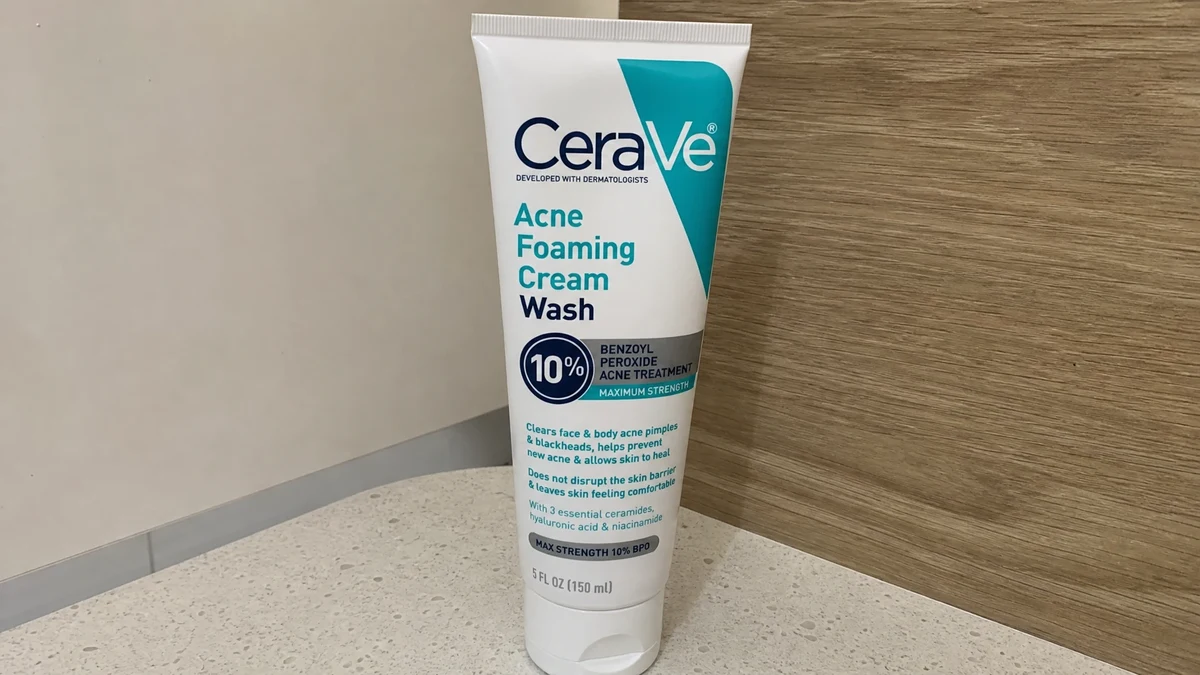
The lawsuit covers CeraVe's two benzoyl peroxide (BPO) acne cleansers, plus a La Roche-Posay BPO acne treatment. CeraVe moisturizers, hydrating cleansers, and other products without benzoyl peroxide are not part of the case.
“Plaintiffs allege that they purchased L'Oréal acne medications containing benzoyl peroxide (BPO) with labeling that failed to warn them of the risk of benzene exposure and that, had they known of that risk, they would not have purchased the acne medications. Plaintiffs assert claims for violation of state consumer protection laws along with, variously, claims for breach of express or implied warranty, fraudulent or negligent misrepresentation, and unjust enrichment.”
Source: U.S. Judicial Panel on Multidistrict Litigation, In re: L'Oréal USA, Inc., Benzoyl Peroxide Marketing and Sales Practices Litigation, MDL No. 3141, Order Denying Transfer, Document 14 (February 7, 2025)
Why Are People Filing CeraVe Lawsuits?
People are filing CeraVe lawsuits because plaintiffs allege CeraVe's benzoyl peroxide acne cleansers can form benzene, a known carcinogen, without any warning on the label. Benzene is linked to leukemia and other blood cancers, and benzoyl peroxide can break down into it under heat.
The claims trace to March 5, 2024, when the independent testing laboratory Valisure petitioned the FDA to recall benzoyl peroxide products. Valisure analyzed 66 products, and the complaints allege every one contained some benzene. Valisure reported higher benzene when it incubated products at 37°C (98.6°F), 50°C (122°F), and 70°C (158°F).
Valisure's own statement did not name CeraVe, according to Snopes. Plaintiffs instead cite a representative sample alleged to show 5 to more than 12 parts per million (ppm) of benzene in CeraVe's cleansers. Individual suits followed within weeks, including a Hawaii case filed March 8, 2024, and a Louisiana case filed March 15, 2024.
What Injuries Are Included in the CeraVe Lawsuit?
The injuries included in the CeraVe lawsuit fall into four categories of alleged harm, and none is a claim of physical injury. The consolidated plaintiffs sought relief for economic injury only. L'Oréal USA has not been found liable on any of these allegations.
Benzene Formation in Acne Products
Benzene is an industrial chemical classified as a human carcinogen, and benzoyl peroxide is an acne ingredient that can break down into it when heated.
Plaintiffs allege all lots of the products contain benzene or systematically degrade to form it. Their core theory is that L'Oréal USA's manufacturing and holding of the products at unacceptable temperatures caused the contamination or instability.
Failure to Warn (Misbranding)
Misbranding is a federal drug-law term for a product whose labeling is false, misleading, or missing required information.
The complaints allege benzene is not listed as an ingredient or inactive ingredient on the labels, and that the labels carry no warning of its possible presence. Plaintiffs argued this omission made the products misbranded under federal law. The court's ruling on this claim is covered in the case status section below.
Adulteration
Adulteration is a federal drug-law term for a drug that contains a contaminating substance or was made under conditions that break manufacturing rules.
Plaintiffs argued benzene above 2 ppm made the products adulterated, and that heat exposure during manufacturing or holding violated current Good Manufacturing Practice standards. They contended the 2 ppm figure operates as a federal cap on benzene in drug products.
Economic Injury
Economic injury, in a consumer class action, is the financial loss of paying for a product that was worth less than advertised.
Plaintiffs from nine states say they bought the products from retailers between 2020 and 2024. They allege they would not have bought the products, or would have paid significantly less, had benzene risk been disclosed. They pleaded four state-law claims: deceptive trade practices, breach of the implied warranty of merchantability, negligent misrepresentation, and unjust enrichment.
Who Qualifies for the CeraVe Lawsuit?
You may qualify if:
- You bought CeraVe Acne Foaming Cream Cleanser (4% benzoyl peroxide) or Acne Foaming Cream Wash (10% benzoyl peroxide) for personal use, which is the group the dismissed proposed class would have represented
- You or a family member developed a serious illness that you attribute to benzene exposure from a benzoyl peroxide product and want an attorney to review a separate injury claim
You may not qualify if:
- You only used CeraVe moisturizers, hydrating cleansers, or other products without benzoyl peroxide, which the lawsuit does not cover
- You want to join the consolidated class action, which has been dismissed and has no open claims process
No CeraVe settlement fund exists, so qualifying does not mean a payment is available. The federal court noted that the labeling preemption provision does not apply to product liability claims, which means an injury claim is analyzed differently from the dismissed consumer class claims. Deadlines vary by state, and only a qualified attorney reviewing your records can say whether any individual claim remains.
What Is the Current Status of the CeraVe Lawsuit?
The current status of the CeraVe lawsuit is dismissal with prejudice at the trial-court level, with no settlement and no trial date. The consolidated class action and the two earlier Judicial Panel on Multidistrict Litigation proceedings are listed separately below.
In re L'Oréal Benzoyl Peroxide Products Litigation
Judge Analisa Torres granted L'Oréal USA's motion to dismiss on September 15, 2026, holding that the Federal Food, Drug, and Cosmetic Act preempts the plaintiffs' state-law claims. The Clerk of Court entered judgment for L'Oréal USA the next day, September 16, 2026.
On the labeling claims, the court found that the FDA's acne monograph permits benzoyl peroxide at 2.5 to 10 percent and requires no benzene warning. State claims demanding a warning are therefore "in addition to" federal requirements and preempted.
On the adulteration claims, the court found no binding federal limit of 2 ppm for benzene in these products. It judged the FDA guidance, FDA notices, and United States Pharmacopeia chapter the plaintiffs cited to be nonbinding. Judge Torres also denied leave to amend because the plaintiffs had already amended once and declined to amend again after pre-motion letters.
| Proceeding Type | Consolidated federal consumer class action |
| Court | U.S. District Court, Southern District of New York |
| Case Number | 1:24-cv-02735 (AT) |
| Judge | Hon. Analisa Torres |
| Defendant | L'Oréal USA, Inc. |
| Claims Pleaded | Deceptive trade practices, implied warranty, negligent misrepresentation, unjust enrichment |
| Consolidated | May 28, 2025 (seven related cases) |
| Ruling | Motion to dismiss granted with prejudice, September 15, 2026 |
| Judgment | Clerk's judgment entered September 16, 2026 |
CourtListener's docket for the case lists two entries filed September 29, 2026, labeled "Reconsideration" and "Memorandum of Law in Support of Motion." The texts were not available, and no ruling on them appeared as of October 4, 2026. No notice of appeal appeared in the docket entries reviewed.
JPML Proceedings: MDL No. 3120 and MDL No. 3141
The Judicial Panel on Multidistrict Litigation refused to centralize benzoyl peroxide cases twice. On August 1, 2024, it denied MDL No. 3120, which covered 28 putative class actions against at least twelve defendant groups, because the products, formulations, and defendants varied too much.
On February 7, 2025, the Panel denied MDL No. 3141, a motion by plaintiffs in six L'Oréal-only actions seeking centralization in the District of Hawaii. The Panel reasoned that three of the six cases already sat before one Southern District of New York judge and that pending transfer motions could bring the rest there too.
| Proceeding Type | JPML centralization motions under 28 U.S.C. § 1407 |
| MDL No. 3120 | Denied August 1, 2024 |
| MDL No. 3141 | Denied February 7, 2025 |
| Requested Venue (MDL 3141) | District of Hawaii |
| Result | No MDL exists for CeraVe benzoyl peroxide claims |
Is There a CeraVe Lawsuit Settlement?
No. There is no CeraVe lawsuit settlement, and the case has produced no settlement fund, no claim form, and no payout.
Websites advertising a CeraVe settlement claim form for this litigation are not describing a court-approved settlement, because none exists as of October 4, 2026. A search phrase such as "cerave class action lawsuit claim form" reflects public interest, not an open claims process.
A payout could only arise if the plaintiffs successfully challenge the dismissal or a separate claim succeeds. The outcome of any reconsideration request or appeal cannot be predicted from the current record.
The separate CeraVe Baby class action described below is also unresolved, and it involves pricing and labeling rather than benzene.
Latest CeraVe Lawsuit Updates
The latest CeraVe lawsuit updates run from the 2024 Valisure petition to the September 2026 dismissal. The case is dismissed as of October 4, 2026, and the entries below show each confirmed filing, order, and regulatory step.
Full CeraVe Lawsuit Timeline
Docket Shows Reconsideration Filings After Dismissal
CourtListener's docket for In re L'Oréal Benzoyl Peroxide Products Litigation lists two entries filed September 29, 2026, labeled "Reconsideration" and "Memorandum of Law in Support of Motion," and the court had not ruled on them as of October 4, 2026.
Clerk Enters Judgment for L'Oréal USA
The Clerk of Court entered judgment for L'Oréal USA, Inc. against plaintiffs Ciara Noakes, Kayla Mraz, Moussa Kouyate, and Simone Westerfield in the consolidated benzoyl peroxide case, implementing Judge Torres's order of the previous day.
Judge Torres Dismisses the CeraVe Benzene Case With Prejudice
U.S. District Judge Analisa Torres of the Southern District of New York granted L'Oréal USA's motion to dismiss the consolidated CeraVe and La Roche-Posay benzoyl peroxide class action, ruling that federal law preempts the plaintiffs' state-law claims.
Plaintiffs Cite Second Circuit Rulings in Supplemental Filings
The CeraVe plaintiffs filed notices of supplemental authority on July 29 and July 31, 2026, pointing the court to the Second Circuit's decisions in Rutledge v. Walgreen Co. and Yousefzadeh v. Johnson & Johnson Consumer Inc., which Judge Torres later found did not change the outcome.
Briefing on L'Oréal's Motion to Dismiss Closes
L'Oréal USA filed its reply memorandum on February 20, 2026, completing briefing on the motion to dismiss the second amended complaint, and the docket shows oral-argument entries on February 23 and 24, 2026.
CeraVe Plaintiffs File Opposition to the Motion to Dismiss
The plaintiffs in the consolidated benzoyl peroxide case filed their opposition brief on January 23, 2026, arguing the FDA's general labeling conditions required a benzene warning and that federal benzene limits made the products adulterated.
L'Oréal USA Moves to Dismiss the Second Amended Complaint
L'Oréal USA filed its motion to dismiss the plaintiffs' second amended class action complaint on December 15, 2025, arguing chiefly that the Federal Food, Drug, and Cosmetic Act preempts every state-law claim.
Court Consolidates Seven Related Cases Before Judge Torres
Judge Analisa Torres consolidated seven related benzoyl peroxide cases against L'Oréal USA on May 28, 2025, after which the plaintiffs amended their complaint and L'Oréal USA moved to dismiss.
FDA Publishes Results of Its Own Benzoyl Peroxide Testing
The FDA released a notice on March 11, 2025, reporting that its testing found fewer contaminated acne products than third-party results and announcing a limited retail-level recall that included one lot of La Roche-Posay Effaclar Duo Dual Action Acne Treatment from L'Oréal USA.
JPML Denies Centralization of the L'Oréal Benzoyl Peroxide Cases
The Judicial Panel on Multidistrict Litigation denied MDL No. 3141 on February 7, 2025, declining to centralize six L'Oréal USA benzoyl peroxide actions in the District of Hawaii and leaving the cases to self-organize.
JPML Hears Argument on the L'Oréal Centralization Motion
The Panel on Multidistrict Litigation held its hearing session on January 30, 2025, to consider whether to centralize the six L'Oréal USA benzoyl peroxide actions.
L'Oréal USA Opposes Centralization
L'Oréal USA filed its opposition to centralization on December 26, 2024, arguing that the parties were already self-organizing and proposing the Southern District of New York if the Panel centralized the cases.
Plaintiffs Ask the JPML to Centralize in Hawaii
Plaintiffs in six L'Oréal USA benzoyl peroxide actions moved on November 26, 2024, to centralize the cases in the District of Hawaii, the filing that became MDL No. 3141.
JPML Rejects the Broad Benzoyl Peroxide MDL Request
The Judicial Panel on Multidistrict Litigation denied MDL No. 3120 on August 1, 2024, refusing to centralize 28 putative class actions against at least twelve defendant groups, including L'Oréal USA.
Abednego Class Action Filed in New York
Latifah Abednego filed a class action against L'Oréal USA in the Southern District of New York on May 24, 2024, Case No. 1:24-cv-03998, alleging benzene contamination in CeraVe and related benzoyl peroxide products.
Noakes Class Action Filed in New York
Ciara Noakes filed Noakes v. L'Oréal U.S.A., Inc., Case No. 1:24-cv-02735, in the Southern District of New York on April 11, 2024, the case that later became the lead docket of the consolidated litigation.
Grossenbacher Class Action Filed in Louisiana
Holly Grossenbacher filed a class action against L'Oréal USA in the Eastern District of Louisiana on March 15, 2024, Case No. 2:24-cv-00663, alleging CeraVe's benzoyl peroxide cleansers contain dangerous levels of benzene.
Snow Class Action Filed in Hawaii After the Valisure Petition
Jennifer Snow filed a class action against L'Oréal USA over benzene in its benzoyl peroxide acne products on March 8, 2024, in the District of Hawaii, which Snopes identifies as the first of the L'Oréal suits, three days after the Valisure petition.
Valisure Petitions the FDA Over Benzene in Benzoyl Peroxide
The testing laboratory Valisure submitted a citizen petition to the FDA on March 5, 2024, asking for a recall and suspension of benzoyl peroxide products after reporting that the ingredient can degrade into benzene.
How to File a CeraVe Lawsuit
Follow these 5 steps to file a CeraVe lawsuit.
- Confirm no claim form exists: No CeraVe settlement or claims process exists, so there is no deadline to meet to join the dismissed consumer class action.
- Gather purchase records: Receipts, order confirmations, and product lot codes show which benzoyl peroxide product was bought and when.
- Collect medical records for any diagnosis: A physician's records are what an attorney reviews when assessing a separate injury claim.
- Consult a product liability attorney: A qualified attorney can say whether an individual claim is available, since state deadlines and rules differ.
- Watch the court docket: The CourtListener docket for No. 1:24-cv-02735 shows any ruling on the September 2026 reconsideration filings or a later appeal.
CeraVe Lawsuit is no longer accepting new claims. The consolidated federal class action was dismissed with prejudice on September 15, 2026, and judgment was entered on September 16, 2026. No settlement, claim form, or payout exists, and the court's order does not bar every kind of individual injury claim.
What Evidence Do I Need for a CeraVe Lawsuit?
The evidence you need for a CeraVe lawsuit depends on whether the claim is a consumer purchase claim or an injury claim. A consumer purchase claim centers on what was bought and what the label said.
Proof of purchase and the product's lot code matter most, because the plaintiffs' theory ties benzene formation to batches and storage. Heat exposure history can also matter, since the complaints allege benzoyl peroxide degrades when warmed over time.
Some plaintiffs allege they commissioned independent laboratory testing of the products they bought, and the court recited those allegations. An injury claim would additionally require medical records and a documented exposure history, which only an attorney can evaluate.
What Did L'Oréal Allegedly Know About Benzene in CeraVe Products?
Plaintiffs allege L'Oréal knew or should have known that benzoyl peroxide products degrade into benzene when exposed to heat. The Grossenbacher complaint states it is well known that benzoyl peroxide degrades to benzene over time under heat. L'Oréal USA has not been found liable on that allegation.
The regulatory record is mixed. The FDA concluded in 1982 that benzoyl peroxide at 2.5 to 10 percent is safe and effective for over-the-counter acne use, and it issued a December 2023 notice reminding manufacturers to test drug components. After Valisure's petition, the FDA initially said it could not yet reach a decision.
The FDA's March 2025 notice then reported testing of 95 benzoyl peroxide acne products, and more than 90 percent had undetectable or extremely low benzene. The FDA described its recalls as retail-level actions and said cancer risk from the levels found was very low, even with daily use for decades.
The only L'Oréal product in that recall was one lot of La Roche-Posay Effaclar Duo Dual Action Acne Treatment. No CeraVe product was listed in the FDA notice, and the FDA did not instruct consumers to act on products they already own.
| Date | Actor | Action |
|---|---|---|
| December 2023 | FDA | Notice reminding manufacturers of benzene contamination risks in certain drugs, including benzoyl peroxide products |
| March 5, 2024 | Valisure | Citizen petition asking the FDA to recall benzoyl peroxide products |
| March 11, 2025 | FDA | Published its own testing results and announced limited retail-level recalls |
| March 2025 | L'Oréal USA | Agreed to a voluntary retail-level recall of one La Roche-Posay Effaclar Duo lot |
How Does the CeraVe Lawsuit Compare to Other CeraVe and Benzoyl Peroxide Cases?
The CeraVe lawsuit differs from other benzoyl peroxide suits mainly by defendant, and from other CeraVe suits by subject. Judge Torres noted that at least seven other district courts have concluded the FDA's acne monograph requires no benzene warning, which is the reasoning her own ruling adopted.
Three other CeraVe cases share only the brand name with the benzene litigation and are legally separate. None involves benzene, and none should be confused with the dismissed class action.
| Case | Court | Subject | Relation to Benzene Case |
|---|---|---|---|
| Raymundo v. L'Oréal USA S/D, Inc. (filed July 29, 2026) | Federal court in California | Allegation that CeraVe Baby Healing Ointment and Baby Eczema Cream are materially identical to adult versions but priced higher | Separate case, no benzene claim, proposed class of California purchasers |
| Gruber v. CeraVe LLC, No. 1:20-cv-07235 (filed Dec. 7, 2020) | N.D. Illinois | Allegation that products labeled "oil-free" contain oils | Separate case, outcome not verified |
| Environmental Health Advocates, Inc. v. CeraVe LLC | Alameda County Superior Court, California | Proposition 65 complaint over diethanolamine in CeraVe Retinol Serum | Separate case, different chemical and product, status not verified |
Other brands' benzoyl peroxide products drew their own suits after the Valisure petition, as the earlier JPML proceeding described above shows. Those cases run against different defendants and products, so a ruling in one does not decide the others.
Frequently Asked Questions
What is the CeraVe lawsuit about?
The CeraVe lawsuit is a consolidated consumer class action alleging that CeraVe's benzoyl peroxide acne cleansers can degrade into benzene, a known carcinogen, without any label warning. The plaintiffs claim economic injury, and L'Oréal USA has not been found liable.
Is the CeraVe lawsuit a class action or an MDL?
The CeraVe lawsuit is a consolidated class action, not a multidistrict litigation. The Judicial Panel on Multidistrict Litigation denied centralization in August 2024 and February 2025, and the cases were consolidated instead before Judge Analisa Torres in the Southern District of New York.
Was the CeraVe lawsuit dismissed?
Yes. Judge Analisa Torres dismissed the CeraVe lawsuit with prejudice on September 15, 2026, ruling that federal law preempts the plaintiffs' state-law claims. The docket shows filings labeled "Reconsideration" on September 29, 2026, with no ruling as of October 4, 2026.
Is there a CeraVe lawsuit settlement or claim form?
No. There is no CeraVe lawsuit settlement, settlement fund, or claim form, because the case ended in dismissal rather than a settlement. Any site advertising a CeraVe claim form for this litigation is not describing a court-approved settlement.
Which CeraVe products are part of the lawsuit?
The CeraVe products named in the lawsuit are Acne Foaming Cream Cleanser (4% benzoyl peroxide) and Acne Foaming Cream Wash (10% benzoyl peroxide). CeraVe moisturizers, hydrating cleansers, and other products without benzoyl peroxide are not part of the case.
Did the FDA recall CeraVe products?
No CeraVe product appeared in the FDA's March 2025 recall notice. The FDA's recall of L'Oréal products covered one lot of La Roche-Posay Effaclar Duo Dual Action Acne Treatment, and the agency did not tell consumers to act on products they already own.
Is the CeraVe Baby ointment lawsuit the same case?
No. The CeraVe Baby ointment lawsuit, Raymundo v. L'Oréal USA S/D, Inc., is a separate California class action filed July 29, 2026, and it alleges the baby products are materially identical to adult versions rather than alleging benzene contamination.