
What Is the AFFF Lawsuit?
The AFFF lawsuit is a group of thousands of claims consolidated into MDL No. 2873, In re: Aqueous Film-Forming Foams Products Liability Litigation, in the U.S. District Court for the District of South Carolina before Judge Richard M. Gergel, alleging that a firefighting foam released toxic chemicals into groundwater and drinking water.
The Judicial Panel on Multidistrict Litigation's own order describes the litigation as covering actions in which "plaintiffs allege that aqueous film-forming foams (AFFFs) used at airports, military bases, or certain industrial locations caused the release of per- or polyfluoroalkyl substances (PFAS) into local groundwater and contaminated drinking water supplies."
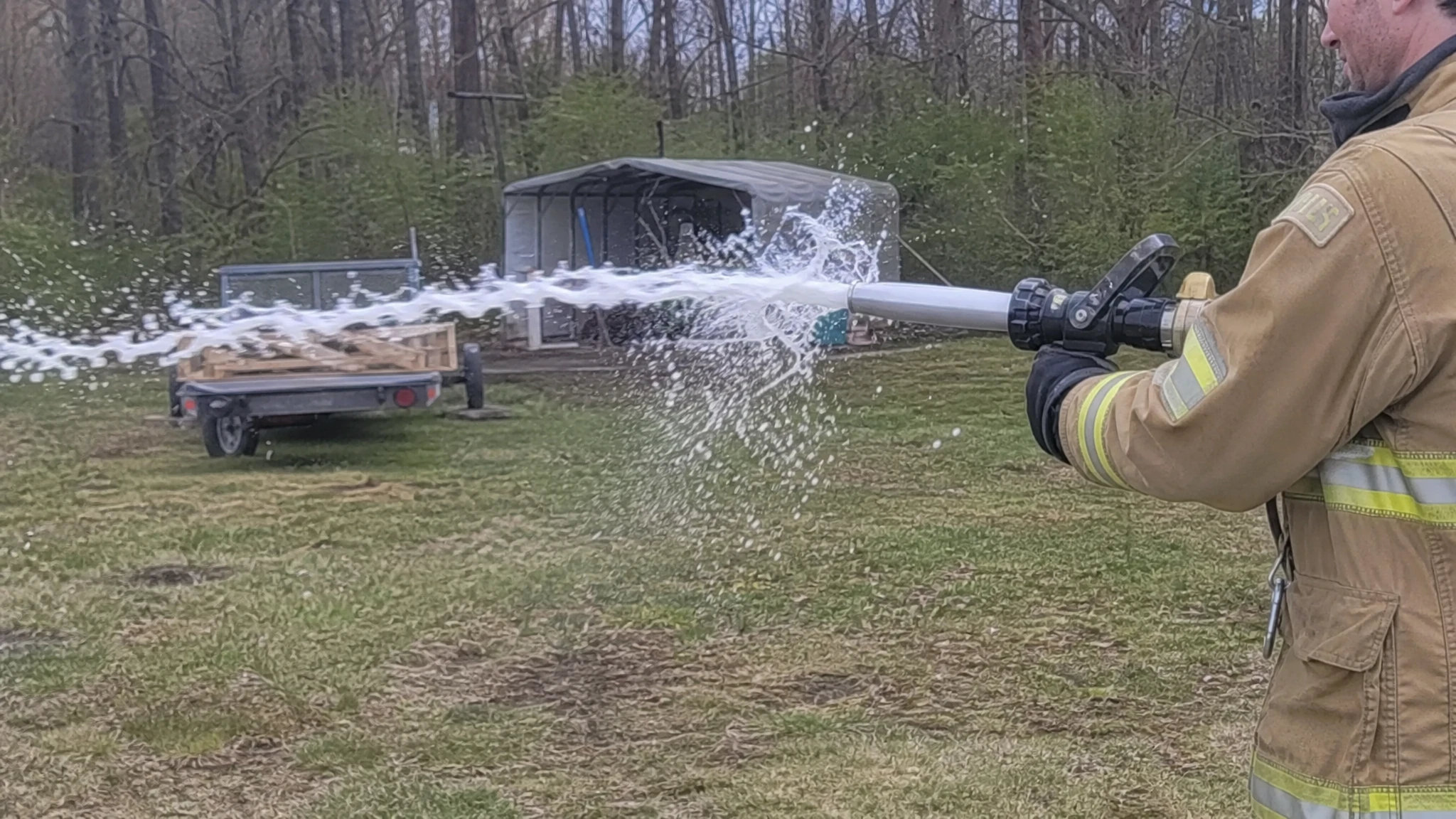
AFFF is a foam concentrate mixed with water and sprayed to smother fuel-based fires, standard equipment at airports, military bases, and municipal fire departments since the 1960s. Named defendants include 3M Company, DuPont, Chemours, Corteva, Tyco Fire Products, BASF, and other manufacturers that made or sold the foam.
“the District of South Carolina was an appropriate Section 1407 forum for actions in which plaintiffs allege that aqueous film-forming foams (AFFFs) used at airports, military bases, or certain industrial locations caused the release of per- or polyfluoroalkyl substances (PFAS) into local groundwater and contaminated drinking water supplies”
Source: U.S. Judicial Panel on Multidistrict Litigation, In re: Aqueous Film-Forming Foams Products Liability Litigation, MDL No. 2873, Transfer Order, Document 4397 (June 4, 2026)
Why Are People Filing AFFF Lawsuits?
People are filing AFFF lawsuits because they allege manufacturers knew for decades that AFFF's PFAS compounds were toxic and persistent in the human body, yet kept selling the foam to fire departments, airports, and the military without adequate warning. Plaintiffs fall into two broad groups: firefighters and military or airport personnel who handled the foam directly, and public water systems and residents whose drinking water was contaminated by foam used or stored nearby.
The MDL's own centralizing order found that every transferred action shares factual questions about the use and storage of AFFF, the toxicity of PFAS, and how those chemicals migrate through groundwater, the common thread the Panel uses to justify keeping the cases together for pretrial discovery.
Individual plaintiffs allege manufacturers failed to warn users that PFAS chemicals in AFFF do not break down in the environment or the human body, a property that earned PFAS the "forever chemicals" nickname, and that repeated occupational exposure through skin contact and inhalation raised their risk of several cancers.
What Injuries Are Included in the AFFF Lawsuit?
The AFFF lawsuit includes claims for several distinct types of harm, grouped below by category. Each is defined in plain language first, followed by what plaintiffs specifically allege.
Kidney Cancer
Kidney cancer is a disease in which malignant cells form in the tissues of the kidney, one of the cancers most frequently linked to PFAS exposure in scientific literature cited in AFFF litigation.
Firefighters and other AFFF-exposed plaintiffs allege repeated skin contact and inhalation of PFAS-laden foam over a career of firefighting or training exercises contributed to a kidney cancer diagnosis. The EPA has classified PFOA, one of the primary PFAS compounds in older AFFF formulas, as a likely human carcinogen.
Testicular Cancer
Testicular cancer is a disease in which malignant cells form in the tissues of one or both testicles, a cancer studied extensively in PFAS-exposed populations near a DuPont manufacturing plant in West Virginia.
Plaintiffs allege occupational or environmental PFAS exposure through AFFF raised their risk of testicular cancer, citing the same C8 Science Panel research that first established a probable link between PFOA exposure and this cancer in a community-level study of drinking water contamination.
Ulcerative Colitis
Ulcerative colitis is a chronic inflammatory bowel disease that causes inflammation and sores in the digestive tract, also studied and linked to PFAS exposure by the C8 Science Panel.
Some AFFF plaintiffs allege PFAS exposure through firefighting foam or contaminated drinking water caused or worsened ulcerative colitis, a claim distinct from the cancer allegations and evaluated separately within the same MDL's injury categories.
Municipal Water Contamination and Property Damage
Municipal water contamination claims allege a public water system's source water was polluted with PFAS, forcing new filtration infrastructure or well closures rather than alleging a personal injury.
Public water systems and, in some cases, private well owners allege AFFF used or stored at nearby airports, military bases, or industrial sites released PFAS into the water supply, requiring costly new treatment systems. This track produced the multibillion-dollar manufacturer settlements described later on this page, separate from the personal-injury track above.
Who Qualifies for the AFFF Lawsuit?
You may qualify if:
- You worked as a firefighter, at an airport, or on a military base where AFFF was regularly used or stored, and you were later diagnosed with kidney cancer, testicular cancer, or another PFAS-linked illness
- You lived in a community whose public water system drew from a source contaminated by nearby AFFF use, and you have medical records supporting a related diagnosis
- You represent a public water system, municipality, or private well owner whose water required new PFAS filtration or treatment because of nearby AFFF contamination
- Your exposure and diagnosis fall within your state's statute of limitations for a personal-injury or property claim, which a reviewing attorney must confirm individually
You may not qualify if:
- You were exposed to PFAS from a source unrelated to AFFF firefighting foam, such as certain non-stick cookware manufacturing, without an AFFF exposure history
- You have no supporting medical diagnosis or water-testing documentation connecting your illness or property to AFFF contamination
- Your state's statute of limitations for this type of claim has already run, which only a reviewing attorney can confirm based on your specific diagnosis and discovery date
Eligibility depends on documented AFFF exposure, a supporting diagnosis or water-testing record, and your state's own statute of limitations. Only a mass-tort attorney reviewing your specific exposure history and medical records can confirm whether you qualify to file.
What Is the Current Status of the AFFF Lawsuit?
MDL No. 2873 remains an active, ongoing multidistrict litigation. The Judicial Panel continues to transfer new AFFF-related actions into the docket, most recently confirmed by a June 4, 2026 transfer order, while the water-system settlement track has already resolved with several manufacturers.
MDL No. 2873 Centralization
The Judicial Panel on Multidistrict Litigation centralized AFFF actions into MDL No. 2873 in December 2018, assigning the docket to Judge Richard M. Gergel in the District of South Carolina. The Panel continues to add new tag-along and transfer actions to the docket, including three actions transferred by an order dated June 4, 2026.
| Proceeding Type | Federal multidistrict litigation, 28 U.S.C. § 1407 |
| Court | U.S. District Court, District of South Carolina |
| Judge | Honorable Richard M. Gergel |
| Centralized | December 7, 2018 |
| Latest Confirmed Transfer Order | June 4, 2026 (Document 4397) |
3M Public Water System Settlement
3M Company agreed in June 2023 to pay up to $10.3 billion over 13 years to resolve claims brought by U.S. public water systems that detected PFAS linked to AFFF, one of the largest settlements in the litigation's history. This settlement covers water-system claims only, not individual personal-injury claims, which remain active in the same MDL.
| Proceeding Type | Public water system class settlement |
| Defendant | 3M Company |
| Settlement Amount | Up to $10.3 billion, paid over 13 years |
| Announced | June 2023 |
| Covers | Public water systems, not individual injury claims |
DuPont, Chemours & Corteva Water Settlement
DuPont, Chemours, and Corteva agreed in June 2023 to pay a combined $1.185 billion to resolve public water system claims within the same MDL, reached around the same time as the 3M water settlement and covering a similar class of municipal water providers.
| Proceeding Type | Public water system class settlement |
| Defendants | DuPont, Chemours, Corteva |
| Settlement Amount | $1.185 billion combined |
| Announced | June 2023 |
How Much Have AFFF Lawsuit Settlements Paid Out?
Manufacturers have paid more than $12 billion combined to settle public water system claims in MDL No. 2873, led by 3M's up to $10.3 billion settlement, DuPont/Chemours/Corteva's $1.185 billion settlement, and additional settlements from Tyco Fire Products and BASF.
Every figure above covers the public water system track, resolved separately from the personal-injury track. No global personal-injury settlement figure has been announced as of this writing, so individual firefighter or resident injury claims remain active, unresolved cases within the MDL rather than part of an already-paid settlement.
Tyco Fire Products agreed to pay $750 million toward the public water system settlements, and BASF separately agreed to pay $316.5 million, both reached in the same general 2023-2024 settlement window as the larger 3M and DuPont/Chemours/Corteva agreements.
Latest AFFF Lawsuit Updates
Here is the current status of the AFFF lawsuit, updated with new filings, settlements, and case developments as they're confirmed.
Full AFFF Lawsuit Timeline
Judicial Panel Transfers Three More Actions Into MDL 2873
The Judicial Panel on Multidistrict Litigation ordered three additional actions, including a Maryland state water-contamination claim, transferred into MDL No. 2873 for coordinated pretrial proceedings before Judge Gergel, confirming the docket is still actively growing.
Panel Transfers Maine's Water Contamination Claim
The Judicial Panel transferred a putative water-contamination action brought by the State of Maine into MDL No. 2873, following a First Circuit ruling that the state's own disavowal of AFFF claims did not prevent federal officer removal.
Panel Declines to Expand MDL Scope to Non-AFFF Firefighter Claims
The Judicial Panel denied a motion to expand MDL No. 2873's scope to include firefighter claims not tied specifically to AFFF exposure, reaffirming that the litigation is limited to harm caused by AFFF manufacture, use, or disposal.
Tyco Fire Products Reaches $750 Million Water Settlement
Tyco Fire Products agreed to pay $750 million to resolve public water system claims within MDL No. 2873, joining 3M and DuPont/Chemours/Corteva among manufacturers that have settled the water-contamination track of the litigation.
BASF Agrees to $316.5 Million Water Settlement
BASF Corporation agreed to pay $316.5 million to resolve public water system claims in the same MDL, one of several manufacturer settlements reached in late 2023 covering water providers rather than individual injury plaintiffs.
3M Announces Up to $10.3 Billion Water System Settlement
3M Company announced a settlement of up to $10.3 billion, paid over 13 years, to resolve claims brought by U.S. public water systems that detected PFAS from AFFF, the largest single settlement in the litigation to date.
Judicial Panel Centralizes AFFF Claims Into MDL No. 2873
The Judicial Panel on Multidistrict Litigation centralized federal AFFF actions into MDL No. 2873, assigning the docket to Judge Richard M. Gergel in the District of South Carolina for coordinated pretrial proceedings.
How to File an AFFF Lawsuit
To file an AFFF lawsuit, start with the 5 steps below.
- Confirm your AFFF exposure history: Document where and when you worked with or near AFFF, such as a fire department, airport, or military base, since exposure timing and location are central to any claim.
- Gather your medical records: A confirmed diagnosis of kidney cancer, testicular cancer, ulcerative colitis, or another PFAS-linked condition, along with the diagnosis date, supports a personal-injury claim.
- Gather water-testing or property records if applicable: Public water systems and property owners need documentation showing PFAS contamination levels and any resulting treatment costs.
- Consult a mass-tort attorney about MDL No. 2873: An attorney experienced in this specific MDL can confirm whether your exposure, diagnosis, and state's statute of limitations support filing a new claim.
- File your case in the appropriate federal court: A qualifying new case is typically filed in your home federal district and then transferred into MDL No. 2873 for coordinated pretrial proceedings before Judge Gergel.
Answer a few questions and a case reviewer will follow up. Free, no obligation.
A case reviewer will follow up soon.
What Evidence Do I Need for an AFFF Lawsuit?
The strongest evidence for an AFFF claim is documentation connecting your specific exposure to a specific diagnosis or contamination event. For a personal-injury claim, that means employment records showing your role as a firefighter, airport worker, or service member, along with medical records confirming a diagnosis date. For a water-contamination claim, that means water-testing results showing PFAS levels at your property or public water system, plus any records of new filtration costs.
What Have AFFF Manufacturers Acknowledged?
Across the water-system settlements, the pattern is consistent: manufacturer after manufacturer has agreed to pay to resolve PFAS contamination claims without admitting the underlying failure-to-warn allegations. 3M, DuPont, Chemours, Corteva, Tyco Fire Products, and BASF have each settled the public water system track of the litigation, while the personal-injury track continues through the same MDL's pretrial process.
Plaintiffs point to the C8 Science Panel's earlier community health study, tied to a separate DuPont plant in West Virginia, as evidence manufacturers had access to research linking PFOA exposure to kidney cancer, testicular cancer, and ulcerative colitis well before AFFF litigation began.
| Defendant | Settlement Amount | Year | Track |
|---|---|---|---|
| 3M Company | Up to $10.3 billion | 2023 | Public water systems |
| DuPont / Chemours / Corteva | $1.185 billion | 2023 | Public water systems |
| Tyco Fire Products | $750 million | 2024 | Public water systems |
| BASF Corporation | $316.5 million | 2023 | Public water systems |
How Does the AFFF Lawsuit Compare to Related PFAS Cases?
Two other PFAS-related proceedings share underlying chemistry with the AFFF lawsuit but involve different products, different defendants, or different plaintiffs, and should not be confused with MDL No. 2873.
The C8 Science Panel litigation against DuPont, resolved years earlier, concerned PFOA released from a single West Virginia manufacturing plant into the Ohio River Valley's water supply, not firefighting foam specifically, though its health-effects research is cited throughout the AFFF litigation.
Separate consumer PFAS lawsuits target non-stick cookware and stain-resistant fabric manufacturers over PFAS in consumer products, a distinct product category from AFFF firefighting foam, with their own separate proceedings and defendants.
| Case | What It's About | Status |
|---|---|---|
| C8 Science Panel / DuPont Ohio River Valley litigation | PFOA released from one West Virginia manufacturing plant | Resolved, years earlier |
| Consumer PFAS cookware/textile lawsuits | PFAS in non-stick cookware and stain-resistant fabric | Separate, ongoing proceedings |
Frequently Asked Questions
What is the AFFF lawsuit about?
The AFFF lawsuit is a group of thousands of claims consolidated into MDL No. 2873, alleging that aqueous film-forming foam used at airports, military bases, and industrial sites released PFAS chemicals into groundwater and drinking water, causing cancer and other illnesses.
Is the AFFF lawsuit a class action?
The AFFF lawsuit is primarily a multidistrict litigation (MDL), not a single class action. The public water system claims within the MDL were resolved through class-like settlements with several manufacturers, while personal-injury claims remain individual cases coordinated for pretrial purposes.
Who qualifies to file an AFFF lawsuit?
Firefighters, airport or military personnel who handled AFFF directly, and residents whose drinking water was contaminated by nearby AFFF use may qualify, provided they have a supporting diagnosis or water-testing record and file within their state's statute of limitations.
How much has the AFFF lawsuit settled for?
Manufacturers have paid more than $12 billion combined to settle the public water system track, led by 3M's up to $10.3 billion settlement and DuPont/Chemours/Corteva's $1.185 billion settlement. No global settlement figure has been announced for personal-injury claims.
Who are the defendants in the AFFF lawsuit?
3M Company, DuPont, Chemours, Corteva, Tyco Fire Products, BASF Corporation, and other manufacturers that made or sold AFFF firefighting foam are named defendants across the actions consolidated in MDL No. 2873.
Can I still file an AFFF lawsuit in 2026?
Yes. MDL No. 2873 continues accepting new transfers, confirmed by a June 4, 2026 Judicial Panel order, so firefighters, service members, and residents with a qualifying diagnosis or contamination claim who have not yet filed may still be able to do so.