
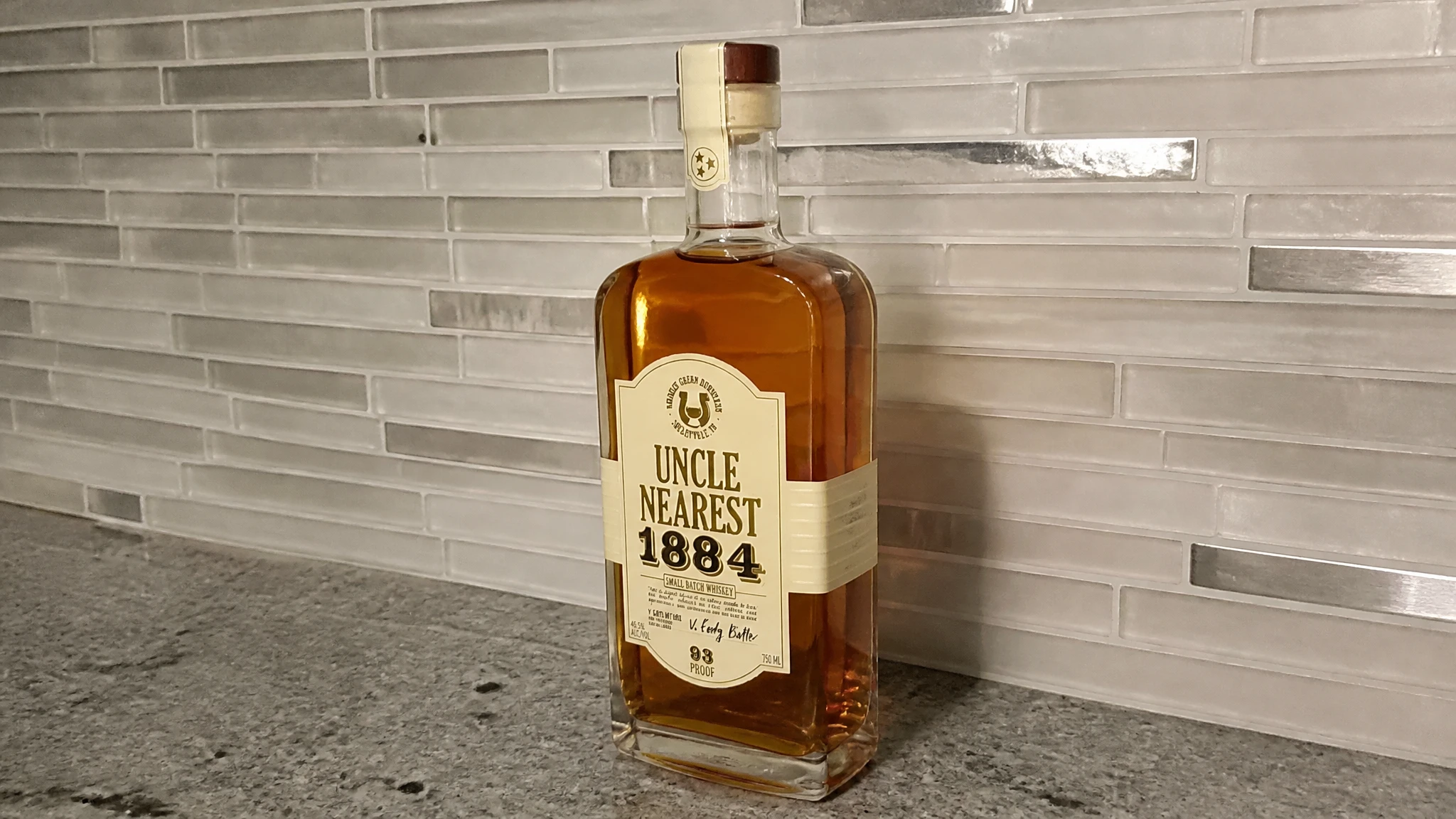
What Is the Uncle Nearest Lawsuit?
The Uncle Nearest lawsuit is a federal commercial lending case in which a lender sued a Tennessee whiskey company over more than $108 million in unpaid loans. Its formal name is Farm Credit Mid-America, PCA v. Uncle Nearest, Inc., Case No. 4:25-cv-00038, in the U.S. District Court for the Eastern District of Tennessee.
Farm Credit Mid-America, PCA, an agricultural lending cooperative based in Louisville, Kentucky, filed the case on July 28, 2025. It named Uncle Nearest, Inc., Nearest Green Distillery, Inc., Uncle Nearest Real Estate Holdings, LLC, and founders Fawn and Keith Weaver as defendants. Judge Charles E. Atchley Jr. presides.
The case is a breach-of-contract dispute between a lender and a borrower. It is not a class action and not a multidistrict litigation, so no group of consumers or injured people can join it.
Uncle Nearest was founded in 2016 and honors Nathan "Nearest" Green, the enslaved distiller who taught Jack Daniel. The brand's name drives much of the attention, but Jack Daniel's is not a party to the case.
“This action arises out of over a year of Uncle Nearest failing to fulfill obligations owed to the Lender, as well as failing to adequately respond to the Lender's repeated requests for information and a consensual resolution to myriad defaults under the Lender's over $100 million in loans to Uncle Nearest.”
Source: Farm Credit Mid-America, PCA v. Uncle Nearest, Inc., et al., No. 4:25-cv-00038 (E.D. Tenn.), Verified Complaint and Request for Appointment of Receiver, Doc. 1 (filed July 28, 2025)
Why Was the Uncle Nearest Lawsuit Filed?
The Uncle Nearest lawsuit was filed because Farm Credit Mid-America says Uncle Nearest stopped meeting its loan obligations and could not support its collateral. The lender wanted a court-appointed receiver to protect that collateral, which was mostly whiskey barrels.
The borrowing began with a July 22, 2022 credit agreement. According to the court's opinion, it gave Uncle Nearest a $35 million revolving loan and a $20 million term loan. After repeated amendments, a sixth amendment on July 26, 2023 raised the revolving limit to $67 million.
Farm Credit then pressed for financial information, and by November 2024 it said its inspector could not verify the reported barrels. The parties signed a forbearance agreement on April 15, 2025. Under it, Farm Credit agreed to hold off on enforcing existing defaults while conditions were met.
Farm Credit says new defaults followed quickly, including a missed $10 million paydown. The court's August 2025 opinion notes that the defendants do not dispute they are in default under the forbearance agreement. That undisputed default is why Farm Credit sued on July 28, 2025.
What Harms Does the Uncle Nearest Lawsuit Allege?
The Uncle Nearest lawsuit alleges five distinct financial harms to the lender. Each item below describes what Farm Credit alleges or what a court found at a stated stage, and none is a final judgment on the merits.
Loan Default
A loan default occurs when a borrower misses a required payment or breaks another term of the loan agreement.
Farm Credit alleges Uncle Nearest failed to pay principal and interest on multiple occasions. It also alleges the company missed two financial covenants, a monthly net income of at least $1.00 and a net worth of at least $100 million during 2024.
Inflated Barrel Inventory
A borrowing base report tells a lender how much collateral backs a revolving loan, so inflated figures can let a borrower draw more money than the collateral supports.
Farm Credit alleges Uncle Nearest submitted apparently inaccurate borrowing base reports for the whiskey barrels that made up most of its collateral. The court's August 2025 opinion treats it as undisputed that the revolving loan grew by $24 million because of former CFO Mike Senzaki's misstatements about barrel inventory.
Other reports and the receiver's July 2026 counterclaim cite a smaller overstatement of about $21 million, a figure the counterclaim attributes to Farm Credit's own inspection. The two numbers come from different documents and have not been reconciled in any ruling reviewed for this page.
Sale of Collateral and Future Revenue
Collateral is property a borrower pledges to secure a loan, and selling it without the lender's approval can violate the loan terms.
The complaint alleges Uncle Nearest sold barrels to raise cash for creditors other than Farm Credit. It also alleges the company sold millions of dollars in future receipts at a discount to at least four parties on at least four occasions, without telling the lender.
Use of Loan Proceeds
Loan proceeds are the funds a lender advances, and loan terms usually limit how a borrower may spend them.
Farm Credit alleges loan proceeds helped buy a home on Martha's Vineyard worth over $2 million through a company that was not a party to the loan. It alleges the property was then mortgaged to another lender. The court declined to weigh this allegation in appointing a receiver because of outstanding factual disputes.
Concealed Outside Financing
Outside financing is money a company raises from a source other than its primary lender, and loan agreements often require the lender to be told about it.
In a 62-page order dated May 26, 2026, Judge Atchley found that Uncle Nearest concealed its dealings with MP-Tenn LLC from Farm Credit. The order concerns $20 million that MP-Tenn provided through convertible promissory notes. It states a holding entity was used to hide and misrepresent the source of that money.
The finding appears in the order that kept the receivership in place, and the Weavers and Grant Sidney have appealed that order.
What Is the Current Status of the Uncle Nearest Lawsuit?
The current status of the Uncle Nearest lawsuit is an active federal case under a court-appointed receiver, with a trial expected in October 2027. Three related court matters run alongside the main case, each on its own docket.
The receiver ended Fawn and Keith Weaver's employment effective June 1, 2026, according to his fourth quarterly report filed July 10, 2026. Both Weavers remain individual defendants, and Keith Weaver's lawyers say he was never an employee.
Farm Credit Mid-America, PCA v. Uncle Nearest, Inc.
Judge Atchley granted the receivership motion on August 14, 2025, after a hearing on August 7. He wrote that a receivership was necessary and that Uncle Nearest's solvency was in question. The court named Phillip G. Young Jr. as receiver on August 22, 2025.
| Court | U.S. District Court, Eastern District of Tennessee |
| Case Number | 4:25-cv-00038 |
| Judge | Charles E. Atchley Jr.; Magistrate Judge Christopher H. Steger |
| Filed | July 28, 2025 |
| Plaintiff | Farm Credit Mid-America, PCA |
| Defendants | Uncle Nearest, Inc.; Nearest Green Distillery, Inc.; Uncle Nearest Real Estate Holdings, LLC; Fawn Weaver; Keith Weaver |
| Claim | Breach of loan agreements, with a request for a receiver |
| Receiver | Phillip G. Young Jr. (appointed August 22, 2025) |
| Schedule | Dispositive motions due May 18, 2027; pretrial conference October 11, 2027; trial expected October 2027 |
| Status | Active litigation, no settlement as of this writing |
The scheduling order also directs the parties to pursue federal mediation before trial, according to AfroTech's reporting on the order. No mediation date has been reported.
Chapter 11 Petitions and Related Appeals
Fawn Weaver filed Chapter 11 petitions for Uncle Nearest, Inc., Nearest Green Distillery, Inc., and Uncle Nearest Real Estate Holdings, LLC on March 17, 2026. On March 19, 2026, Bankruptcy Judge Suzanne Bauknight ruled from the bench that Weaver was not authorized to file them.
Judge Bauknight reasoned that the receivership order vested all authority in the receiver and that the dissolved board could not approve a filing. Three bankruptcy appeals were opened in the district court on March 23, 2026, and two were closed on August 17, 2026.
| Court | U.S. Bankruptcy Court, Eastern District of Tennessee |
| Lead Case Number | 3:26-bk-30470 |
| Filed | March 17, 2026 |
| Debtors | Uncle Nearest, Inc.; Nearest Green Distillery, Inc.; Uncle Nearest Real Estate Holdings, LLC |
| Ruling | Petitions held unauthorized on March 19, 2026 |
| District Court Appeals | 3:26-cv-00135, 3:26-cv-00136, 3:26-cv-00137 |
Sixth Circuit Appeal
The Weavers and their holding company Grant Sidney, Inc. filed a notice of appeal on May 27, 2026. They are challenging Judge Atchley's order that kept the receivership in place and extended it to Grant Sidney. The Sixth Circuit docketed the appeal as No. 26-5492 on June 1, 2026.
The Moore County Observer reported on October 2, 2026 that briefing is set to begin in November. The receivership and the sale process continue while the appeal is pending.
| Court | U.S. Court of Appeals for the Sixth Circuit |
| Case Number | 26-5492 |
| Appellants | Fawn Weaver, Keith Weaver, and Grant Sidney, Inc. |
| Order Appealed | Judge Atchley's 62-page order of May 26, 2026 |
| Docketed | June 1, 2026 |
| Status | Briefing expected to begin in November 2026 |
Has the Uncle Nearest Lawsuit Settled?
No. The Uncle Nearest lawsuit has not settled as of October 2026, and no court has entered a final judgment on Farm Credit's claims.
Farm Credit claimed more than $108 million when it sued, and the May 26, 2026 order puts the amount it claims at over $120.8 million. The same order describes total liabilities of about $207.9 million, including at least $20 million in convertible notes and $45 million tied to a barrel forward contract. Those are the court's descriptions of debts, not a damages award.
The receiver signed a non-binding letter of intent by June 2026 to sell the Uncle Nearest brand and the Nearest Green Distillery to an investment firm with African-American ownership. A letter of intent is not a settlement of the lawsuit, and the sale would need court approval.
Whether any sale price would cover the debts depends on the final terms and on how the court ranks creditors. Only a qualified attorney reviewing the actual documents can say how any one creditor would fare.
Uncle Nearest Lawsuit Updates and Case Status
Here is the current status of the Uncle Nearest lawsuit, updated with new filings, rulings, and case-count reports as they're confirmed. As of October 2026, the Farm Credit case against Uncle Nearest remains in active pretrial litigation with no settlement announced. The full timeline below covers every verified development since the first case was filed.
Uncle Nearest Lawsuit Timeline of Events
Farm Credit and Uncle Nearest Sign the Original Credit Agreement
Farm Credit Mid-America and Uncle Nearest signed a credit agreement on July 22, 2022 that provided a $35 million revolving loan and a $20 million term loan, according to the court's later opinion.
Revolving Loan Limit Rises to $67 Million
A sixth amendment to the Uncle Nearest credit agreement on July 26, 2023 raised the revolving loan limit to $67 million while Farm Credit waived multiple listed events of default.
Forbearance Agreement Signed
Farm Credit and Uncle Nearest signed a forbearance agreement on April 15, 2025, under which the lender agreed to hold off on enforcing existing defaults while conditions were met.
Farm Credit Files the Verified Complaint
Farm Credit Mid-America filed its verified complaint as Document 1 in Case No. 4:25-cv-00038 on July 28, 2025, and moved for an emergency receiver the same day.
Court Hears the Receiver Motion
Judge Charles E. Atchley Jr. held a hearing on Farm Credit's emergency receiver motion on August 7, 2025, where Keith Weaver did not dispute the defaults and testified about the company's growth.
Judge Atchley Orders a Receivership
Judge Atchley granted the receiver motion in a memorandum opinion on August 14, 2025, finding a receivership necessary while noting the Weavers could continue marketing the Uncle Nearest brand.
Phillip G. Young Jr. Appointed Receiver
The Eastern District of Tennessee appointed Nashville restructuring attorney Phillip G. Young Jr. as receiver for the Uncle Nearest companies on August 22, 2025, after both sides proposed candidates.
Court Approves Pause for Bank Records
Judge Atchley approved a joint motion on October 28, 2025 pausing the receiver's clarification motion while several Weaver-linked companies turned over two years of bank statements.
Weavers Seek to Lift Part of the Litigation Stay
Fawn and Keith Weaver asked the court on November 24, 2025 to lift part of the stay, saying a sale of Uncle Nearest during a spirits downturn could produce a price below the company's full value.
Court Limits Who Can Speak for the Companies
A December 22, 2025 order struck filings made by company directors, and the Uncle Nearest entities may act in the case only through the receiver or his counsel.
Weavers Sue Former CFO Mike Senzaki
In January 2026, Fawn and Keith Weaver filed a civil suit against former chief financial officer Mike Senzaki alleging record manipulation, inflated inventory, forged documents, and concealed liabilities.
Chapter 11 Petitions and New York Suit Announced
On March 17, 2026, Fawn Weaver filed Chapter 11 petitions for three Uncle Nearest companies, and the founders announced a New York suit accusing Farm Credit of a smear campaign.
Bankruptcy Judge Rules the Filings Unauthorized
U.S. Bankruptcy Judge Suzanne Bauknight ruled on March 19, 2026 that Fawn Weaver lacked authority to file the Uncle Nearest bankruptcy petitions because the receiver held all authority over the companies.
62-Page Order Keeps the Receivership and Adds Grant Sidney
Judge Atchley refused on May 26, 2026 to end the Uncle Nearest receivership, extended it to Grant Sidney, Inc., and found the companies insolvent by a considerable margin.
Weavers File a Notice of Appeal
Counsel for Fawn Weaver, Keith Weaver, and Grant Sidney filed a notice of appeal on May 27, 2026, and the Sixth Circuit docketed it as No. 26-5492 on June 1.
Receiver Ends the Weavers' Employment
Receiver Phillip G. Young Jr. ended Fawn and Keith Weaver's employment with Uncle Nearest effective June 1, 2026, a step he disclosed in his fourth quarterly report on July 10.
Receiver Signs a Non-Binding Letter of Intent
By June 1, 2026, the receiver had signed a non-binding letter of intent to sell the Uncle Nearest brand and distillery to an investment firm with African-American ownership, excluding Grant Sidney's assets.
Humble Baron Files for Chapter 11
Humble Baron, Inc., a restaurant on the Nearest Green Distillery property and an affiliate of Uncle Nearest, filed for Chapter 11 bankruptcy on June 5, 2026 in the Eastern District of Tennessee.
Receiver Files Counterclaim and Fourth Quarterly Report
Phillip G. Young Jr. filed a counterclaim in the week before July 10, 2026 alleging Farm Credit ignored red flags, and his fourth quarterly report disclosed SEC and SDNY document subpoenas.
Court Denies Bid to Halt the Martha's Vineyard Sale
Judge Atchley denied the Weavers' request on July 27, 2026 to stop the receiver's sale of the Martha's Vineyard property, according to the Moore County Observer.
Trial Date Set for October 2027
The Uncle Nearest case was set for trial in October 2027, with dispositive motions due May 18, 2027 and a pretrial conference on October 11, 2027, according to reporting on the scheduling order.
Receiver Urges Chapter 7 for Humble Baron
On August 17, 2026, the receiver for Uncle Nearest Real Estate Holdings asked the bankruptcy court to convert the Humble Baron case to Chapter 7 after it missed a $66,350 repayment deadline.
Appeal May Proceed With November Briefing
The Moore County Observer reported on October 2, 2026 that the Weavers and Grant Sidney may continue their Sixth Circuit appeal, with briefing beginning in November.
What Is the Weavers' Response to the Uncle Nearest Lawsuit?
The Weavers' response to the Uncle Nearest lawsuit is that they deny wrongdoing and blame former CFO Mike Senzaki for the inflated barrel reports. At the August 7, 2025 hearing, the defendants did not dispute the defaults. They argued instead that a receivership would harm the brand and that less drastic remedies existed.
The court rejected that argument as a reason to avoid a receiver. It reasoned that an employer is generally responsible for an officer's statements made in the course of his duties, even without knowing of them. The opinion said the defendants' lack of awareness lessened the weight of that factor but did not remove it.
In January 2026, the Weavers sued Senzaki, alleging he manipulated records, inflated inventory, forged documents, and concealed liabilities. The receiver's July 2026 counterclaim says Senzaki admitted to investigators that he falsified financial reports starting in 2022. Senzaki's own response to these allegations was not found in the sources reviewed.
In July 2026, the receiver also disclosed document subpoenas from the Securities and Exchange Commission and the U.S. Attorney's Office for the Southern District of New York. The report does not say what either inquiry concerns, and it does not accuse any person of wrongdoing.
How Does the Uncle Nearest Lawsuit Compare to Related Cases?
The Uncle Nearest lawsuit sits at the center of several connected proceedings, and the main federal case is the only one where Farm Credit seeks repayment. The other matters are counterclaims, a competing New York suit, and a bankruptcy involving an affiliated business.
The founders' New York suit, announced on March 17, 2026, accuses Farm Credit of a smear campaign. The announcement says the lender knowingly circulated false accusations about missing inventory and insolvency to deflect scrutiny of a $102 million credit facility. Farm Credit has not publicly responded in the sources reviewed.
The receiver's counterclaim takes the opposite position from the lender. It alleges that Farm Credit ignored red flags and approved 28 draw requests totaling nearly $67 million between July 2022 and August 2023. Farm Credit says it strongly disagrees with those characterizations.
| Matter | Forum | Subject | Status |
|---|---|---|---|
| Farm Credit v. Uncle Nearest, Inc. | E.D. Tenn., No. 4:25-cv-00038 | Lender's loan default and receivership claims | Pending, trial expected October 2027 |
| Founders' suit against Farm Credit | Supreme Court of the State of New York | Alleged smear campaign over a $102 million credit facility | Announced March 17, 2026, no ruling found |
| Weavers' suit against Mike Senzaki | Court not identified in sources | Alleged record manipulation and concealed liabilities | Filed January 2026, status not confirmed |
| Receiver's counterclaim against Farm Credit | Asserted by the receiver in July 2026 | Alleged failure to detect fraud and verify inventory | Farm Credit asked to dismiss in July 2026 |
| Humble Baron, Inc. bankruptcy | Bankr. E.D. Tenn., No. 4:26-bk-11577 | Restaurant on the distillery property, an affiliate | Chapter 11 filed June 5, 2026; reported moved to Chapter 7 in September 2026 |
None of these matters is a product-liability or consumer case. Jack Daniel's and its parent company are not named as parties in the Farm Credit complaint.
Frequently Asked Questions
What is the Uncle Nearest lawsuit about?
The Uncle Nearest lawsuit is about more than $108 million in loans that Farm Credit Mid-America says Uncle Nearest failed to repay. Farm Credit also alleges inflated barrel inventory reports, and the court placed the company under a receiver in August 2025.
Is the Uncle Nearest lawsuit a class action or an MDL?
No, the Uncle Nearest lawsuit is neither a class action nor an MDL. It is a single breach-of-contract case between a lender and a borrower in the Eastern District of Tennessee, so there is no class for consumers to join.
Has the Uncle Nearest lawsuit settled?
No, the Uncle Nearest lawsuit has not settled as of October 2026. The receiver signed a non-binding letter of intent by June 2026 to sell the brand, which is not a settlement.
Who controls Uncle Nearest during the lawsuit?
Receiver Phillip G. Young Jr. controls Uncle Nearest during the lawsuit, under Judge Atchley's August 2025 order. He ended Fawn and Keith Weaver's employment effective June 1, 2026, and the Weavers are appealing the order that kept the receivership in place.
When is the Uncle Nearest lawsuit going to trial?
The Uncle Nearest lawsuit is expected to go to trial in October 2027. The reported schedule sets dispositive motions for May 18, 2027 and a pretrial conference for October 11, 2027.
Is Jack Daniel's part of the Uncle Nearest lawsuit?
No, Jack Daniel's is not part of the Uncle Nearest lawsuit. The complaint names Farm Credit Mid-America as plaintiff and the Uncle Nearest companies and the Weavers as defendants, and the brand only honors Nathan "Nearest" Green, who taught Jack Daniel.