
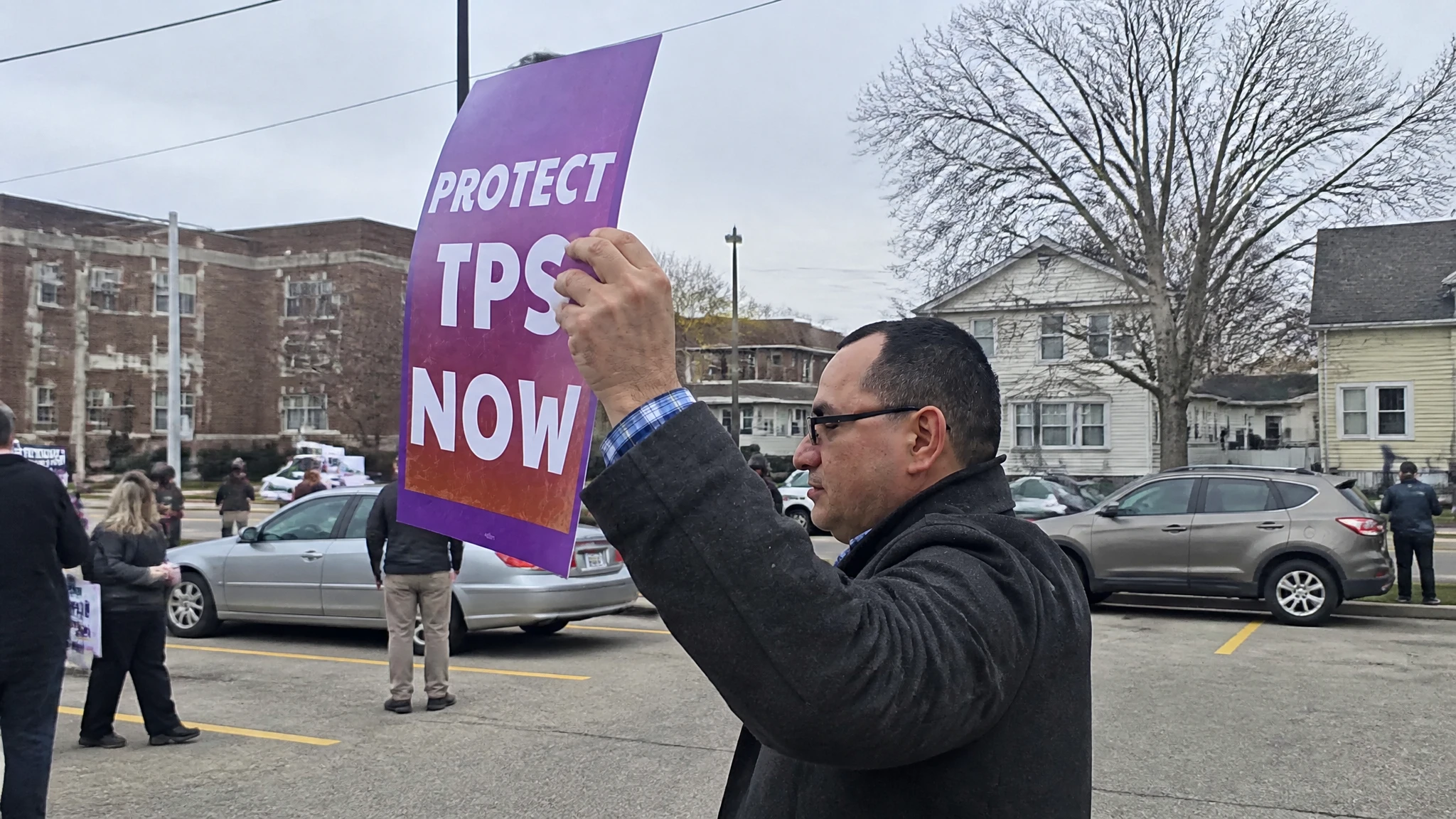
What Is the Trump Administration Yemen TPS Lawsuit?
The Trump administration Yemen TPS lawsuit is a pair of related putative class actions challenging the end of Temporary Protected Status for Yemen. Both cases, Noor Doe v. Mullin and Abdo Doe v. Mullin, sit before Judge Dale E. Ho in the U.S. District Court for the Southern District of New York.
The plaintiffs are Yemeni nationals who hold TPS or have applications pending. They sue the Secretary of Homeland Security, the Department of Homeland Security, U.S. Citizenship and Immigration Services, and the United States. The court counted about 2,810 TPS holders and 425 applicants affected.
TPS is a statutory program that shields nationals of designated countries from removal and lets them work in the United States. Congress created it in 1990. Neither case is a multidistrict litigation.
“Plaintiffs in these two related putative class actions challenge the Secretary of Homeland Security's termination of Yemen's Temporary Protected Status ("TPS") designation. Both amended complaints assert claims under the Administrative Procedure Act ("APA") and the equal protection guarantee of the Fifth Amendment, and the amended complaint in the Second Case also includes ultra vires and due process claims.”
Source: Defendants' Memorandum of Law in Support of Their Motion to Dismiss the Amended Complaints, Noor Doe v. Mullin, No. 26 Civ. 2103 (DEH), and Abdo Doe v. Mullin, No. 26 Civ. 2280 (DEH) (S.D.N.Y.), ECF No. 111 (filed August 28, 2026)
Why Was the Trump Administration Yemen TPS Lawsuit Filed?
The Trump administration Yemen TPS lawsuit was filed because the Secretary of Homeland Security terminated Yemen's TPS designation effective May 4, 2026. DHS announced the decision on February 13, 2026, and published the termination notice in the Federal Register on March 3.
The notice itself acknowledged that Yemen still has extraordinary and temporary conditions that prevent safe return. It ended the designation anyway, on the ground that letting Yemeni TPS holders stay was contrary to the national interest. The State Department rates Yemen at "Level 4," its highest travel warning.
Yemen was first designated in 2015 and renewed six times, including twice during the first Trump administration. The plaintiffs say the termination skipped the review process Congress requires and reflects bias against Yemeni and Muslim immigrants. The government argues the TPS statute bars courts from reviewing the decision.
What Harms Does the Trump Administration Yemen TPS Lawsuit Allege?
The Trump administration Yemen TPS lawsuit alleges five distinct harms and legal violations. Four are legal claims pled in the amended complaints, and one is the practical loss of protection the termination causes. The government disputes every claim, and the court has ruled on only some of them.
Loss of Protection From Removal
Protection from removal is a legal safeguard that bars the government from deporting a person while the safeguard remains in force.
The plaintiffs allege the termination ends TPS-based protection from removal and work authorization for more than 3,200 Yemeni nationals. The Abdo complaint says this leaves three options: leave for another country, stay without status and risk arrest, or return to Yemen. Court filings describe plaintiffs who fear violence from Houthi-aligned groups if they return.
Administrative Procedure Act Violation
The Administrative Procedure Act is the federal law that lets courts set aside agency actions that are unlawful or reached without required procedures.
Both complaints allege the Secretary failed to consult appropriate agencies about conditions in Yemen before ending TPS, as the statute requires. Judge Ho found this claim likely to succeed on May 1, 2026. The government argues the Supreme Court's later ruling bars the claim, and Judge Ho lifted his order on that basis.
Equal Protection Violation
Equal protection is the constitutional guarantee, applied to the federal government through the Fifth Amendment, that the law may not treat people differently because of traits such as national origin or race.
The plaintiffs allege the termination resulted from animus toward Yemeni, Middle Eastern, Muslim, and non-white immigrants. They cite statements by the President and the former Secretary. Judge Ho did not decide this claim on May 1, and Law360 reported on October 7, 2026 that intentional discrimination claims remain in the case.
Ultra Vires Termination
Ultra vires describes an official act taken beyond the legal authority the law gives that official.
The Abdo plaintiffs added this claim on July 14, 2026. They argue Congress never moved power over TPS from the Attorney General to the Homeland Security Secretary. The government answers that the Homeland Security Act transferred that authority and that the Supreme Court treated the Secretary as holding it.
Due Process Violation
Due process is the constitutional guarantee that the government must follow fair procedures before it deprives a person of a protected interest.
The Abdo plaintiffs also allege the Fifth Amendment requires fair process before TPS is terminated and that the Secretary skipped it. The government argues TPS holders have no protected interest in a discretionary, country-wide designation. A motion built on this claim and the ultra vires claim was still pending on August 28, 2026.
What Is the Current Status of the Trump Administration Yemen TPS Lawsuit?
The current status of the Trump administration Yemen TPS lawsuit is that the termination of Yemen's TPS has taken effect while both cases continue in the Southern District of New York. Judge Ho lifted his May 1 postponement order on July 20, 2026. Law360 reported on October 7, 2026 that the court dismissed the thrust of both lawsuits but allowed intentional discrimination claims to proceed. No settlement or class certification ruling has been located.
Noor Doe v. Mullin, No. 26 Civ. 2103 (S.D.N.Y.)
Nine Yemeni nationals filed this case on March 14, 2026, challenging the termination under the Administrative Procedure Act and the Fifth Amendment. Judge Ho decided the postponement motions in this case and the Abdo case in one opinion. The Noor plaintiffs amended their complaint on July 2, 2026 without adding new causes of action.
| Court | U.S. District Court for the Southern District of New York |
| Case Number | 1:26-cv-02103 (DEH) |
| Judge | Dale E. Ho |
| Filed | March 14, 2026 |
| Plaintiffs | Noor Doe and eight other Yemeni TPS holders and applicants, suing under pseudonyms |
| Defendants | Secretary of Homeland Security Markwayne Mullin (substituted for Kristi Noem), DHS, USCIS, and the United States |
| Ruling | Postponement of the termination granted May 1, 2026, later vacated |
| Status | Amended complaint filed July 2, 2026; discrimination claims reported surviving October 7, 2026 |
Abdo Doe v. Mullin, No. 26 Civ. 2280 (S.D.N.Y.)
Seven Yemeni nationals filed this case on March 19, 2026, represented by the Center for Constitutional Rights and the Asian American Legal Defense and Education Fund. They seek to represent a class of TPS recipients and a class of applicants. Judge Ho granted the postponement motion on May 1, 2026, stayed that order on July 20, and vacated it after the Second Circuit remanded on July 27, when the government withdrew its appeal.
| Court | U.S. District Court for the Southern District of New York |
| Case Number | 1:26-cv-02280 (DEH) |
| Judge | Dale E. Ho |
| Filed | March 19, 2026 |
| Plaintiffs | Abdo Doe and six other Yemeni TPS holders and applicants, suing under pseudonyms |
| Counsel | Center for Constitutional Rights; Asian American Legal Defense and Education Fund |
| Class Status | Proposed under Rule 23(a) and 23(b)(2); no certification ruling located |
| Relief Sought | Declaration, vacatur, postponement, injunction, and attorneys' fees and costs |
| Status | Government motion to dismiss filed August 28, 2026; partial dismissal reported October 7, 2026 |
The Abdo plaintiffs filed an amended complaint on July 14, 2026 that added ultra vires and due process claims. Judge Ho denied their request for an immediate emergency order on July 24, and a fuller motion on those claims was still pending when the government moved to dismiss.
Is There a Settlement or Payout in the Trump Administration Yemen TPS Lawsuit?
No. The Trump administration Yemen TPS lawsuit has not settled, and the Abdo complaint seeks no money damages.
The Abdo complaint asks the court to declare the termination unlawful, set it aside, and keep Yemen's TPS designation in force, plus attorneys' fees and costs. Those remedies are non-monetary, so no settlement fund or claims process exists. A qualified immigration attorney can explain what relief a court may order in a TPS case.
Restoring Yemen's TPS would take a court order, a new designation by the Secretary of Homeland Security, or an act of Congress. The Congressional Research Service notes that Congress could amend the TPS statute to allow broader judicial review.
Latest Trump Administration Yemen TPS Lawsuit Updates
The latest Trump Administration Yemen TPS lawsuit updates and news, including new filings, rulings, and case-count reports, are tracked below as they're confirmed. As of October 2026, the two Yemen TPS class actions remain in active pretrial litigation with no settlement announced. The full timeline below covers every verified development since the first case was filed.
Full Trump Administration Yemen TPS Lawsuit Timeline
DHS Designates Yemen for Temporary Protected Status
DHS designated Yemen for TPS on September 3, 2015, citing an ongoing armed conflict that made return unsafe. The designation was later renewed six times, most recently on July 10, 2024.
Noem Posts a Travel Ban Message Naming "Killers, Leeches, and Entitlement Junkies"
Then-Secretary Kristi Noem posted on social media that she was recommending a travel ban on countries she said were flooding the nation with "killers, leeches, and entitlement junkies." Yemen was among the countries covered by the travel ban announced afterward, and Judge Ho later quoted the post in his May 1 opinion.
DHS Announces It Will Terminate TPS for Yemen
DHS announced on February 13, 2026 that it would end TPS for Yemen. Then-Secretary Noem said letting Yemeni beneficiaries stay was contrary to the national interest.
Termination Notice Published in the Federal Register
DHS published the Yemen termination notice at 91 Fed. Reg. 10402 on March 3, 2026. It set an effective date of May 4, 2026, the minimum 60 days the TPS statute allows.
Noor Doe v. Noem Filed in Manhattan Federal Court
Nine Yemeni nationals sued in the Southern District of New York on March 14, 2026, in Noor Doe v. Noem, No. 26 Civ. 2103. Their complaint challenges the termination under the Administrative Procedure Act and the Fifth Amendment.
Abdo Doe v. Noem Filed on Behalf of a Proposed Class
Seven plaintiffs represented by the Center for Constitutional Rights and the Asian American Legal Defense and Education Fund filed Abdo Doe v. Noem, No. 26 Civ. 2280, on March 19, 2026. The case seeks to represent Yemeni TPS recipients and applicants.
Judge Ho Consolidates Briefing in the Two Cases
Judge Dale E. Ho consolidated briefing on the postponement motions in the two Yemen TPS cases on March 23, 2026.
Hearing Held on the Postponement Motions
Judge Ho heard argument on both postponement motions on April 16, 2026. The court also ordered the government to produce the certified administrative record and compelled disclosure of redactions it found improperly withheld.
Supreme Court Hears the Haiti and Syria TPS Cases
The Supreme Court heard argument on April 29, 2026 in the consolidated Haiti and Syria TPS cases. Its eventual ruling would decide whether courts can review TPS terminations at all.
Judge Ho Postpones the Yemen TPS Termination
Judge Ho granted both sets of plaintiffs' motions on May 1, 2026, three days before the termination was due to take effect. His 36-page opinion found DHS likely violated the Administrative Procedure Act by failing to consult appropriate agencies about conditions in Yemen.
Supreme Court Decides Mullin v. Doe
The Supreme Court decided Mullin v. Doe, 146 S. Ct. 2121, on June 25, 2026. It held that the TPS statute bars review of non-constitutional claims against terminations and reversed the postponement orders for Haiti and Syria.
Government Appeals Judge Ho's Order to the Second Circuit
The government appealed Judge Ho's May 1 order to the Second Circuit on June 28, 2026. Two days later it asked the district court to stay the order and to say it would vacate the order once the appeal was remanded.
Noor Plaintiffs Amend Their Complaint
The Noor plaintiffs filed an amended complaint on July 2, 2026. It split their equal protection claim into separate national-origin and race-or-ancestry claims and added no new causes of action.
Abdo Plaintiffs Add Ultra Vires and Due Process Claims
The Abdo plaintiffs filed an amended complaint on July 14, 2026. It added a claim that the Secretary lacked authority over TPS and a claim that the Fifth Amendment's due process guarantee protects TPS holders from arbitrary termination.
Judge Ho Stays His Postponement Order and the Termination Takes Effect
Judge Ho stayed his May 1 order on July 20, 2026, ruling that Mullin v. Doe foreclosed the Administrative Procedure Act claim the order rested on. He said he would vacate the order if the Second Circuit returned jurisdiction, and the Yemen TPS termination took effect.
Abdo Plaintiffs Seek a New Postponement on Their New Claims
The Abdo plaintiffs moved again on July 21, 2026 to postpone the termination, this time relying on their ultra vires and due process claims. The government opposed the motion.
Judge Ho Denies an Emergency Order
Judge Ho denied the Abdo plaintiffs' request for an immediate emergency order on July 24, 2026. The termination stayed in effect while the fuller motion remained pending.
Second Circuit Remands and the Government Withdraws Its Appeal
The Second Circuit remanded the Yemen TPS cases on July 27, 2026 so Judge Ho could vacate his postponement order. He did so, and the government then withdrew its appeal.
Government Moves to Dismiss Both Amended Complaints
The government moved on August 28, 2026 to dismiss the amended complaints in both Yemen TPS cases. Its brief argues Mullin v. Doe forecloses every claim and that each claim also fails on the merits.
Law360 Reports the Court Dismissed Most Claims but Kept Discrimination Claims
Law360 reported on October 7, 2026 that the Southern District of New York dismissed the thrust of both Yemen TPS lawsuits but allowed the plaintiffs to pursue intentional discrimination claims. The full opinion was not publicly available when this page was last updated.
What Did DHS Allegedly Do in the Trump Administration Yemen TPS Lawsuit?
DHS allegedly ended Yemen's TPS without the consultation with other agencies that the TPS statute requires. Judge Ho reached that preliminary finding on May 1, 2026, after reviewing the certified administrative record. The record showed one short email exchange with another agency, in which a State Department official said it had no foreign policy objections to a change in Yemen's TPS status.
The court also found that several sources cited in the termination notice did not support the claims made for them. The notice cited a "potential nexus to criminal gang membership" without evidence. It also relied on a study of OECD countries to call TPS a "pull factor" for migration.
DHS defends the termination. The government says the Secretary found the armed-conflict condition no longer met after security improved following an April 2022 truce. It adds that the national-interest bar blocked an extension, citing Yemen's lack of a central authority able to issue reliable identity documents and a terrorist organization's control of much of the country.
How Does the Trump Administration Yemen TPS Lawsuit Compare to Related Cases?
The Trump administration Yemen TPS lawsuit compares to the Haiti and Syria TPS cases as a parallel challenge that the Supreme Court's Mullin v. Doe ruling now governs. The Court decided Mullin v. Doe on June 25, 2026, by a 6-3 vote, with Justice Samuel Alito writing the majority opinion. It held that the TPS statute bars review of all non-constitutional claims and found the Haiti plaintiffs' equal protection claim unlikely to succeed.
The decision arose from the Syria case, Dahlia Doe v. Noem, filed in the Southern District of New York, and the Haiti case, Miot v. Trump. Those cases are separate proceedings, not part of the Yemen cases.
The Yemen termination differs from many others in one way. The Secretary found that dangerous conditions persist in Yemen and ended TPS on national-interest grounds, while many other terminations rested on findings that conditions had improved.
Frequently Asked Questions
What is the Trump administration Yemen TPS lawsuit about?
The Trump administration Yemen TPS lawsuit is a pair of putative class actions in federal court in Manhattan challenging DHS's termination of Temporary Protected Status for about 3,200 Yemeni nationals.
Is the Trump administration Yemen TPS lawsuit a class action or MDL?
The Trump administration Yemen TPS lawsuit is two putative class actions, not an MDL. The plaintiffs seek to represent Yemeni TPS recipients and applicants, but no ruling certifying a class has been located.
Is Yemen TPS still in effect after the lawsuit?
Yemen TPS is no longer in effect after the lawsuit, because Judge Ho lifted his postponement order on July 20, 2026 and the termination took effect. No order restoring Yemen TPS has been located in the sources reviewed.
Did the Trump administration Yemen TPS lawsuit settle?
No. The Trump administration Yemen TPS lawsuit has not settled, and no settlement fund or claims process exists.
What did the Supreme Court decide in Mullin v. Doe?
The Supreme Court decided in Mullin v. Doe that the TPS statute bars courts from reviewing non-constitutional claims against TPS terminations, which led Judge Ho to lift his order in the Yemen cases.
Is the Yemen TPS lawsuit the same as the Haiti and Syria TPS cases?
No. The Yemen TPS lawsuit is a separate pair of cases before Judge Dale E. Ho, while the Haiti and Syria cases were the ones the Supreme Court decided in Mullin v. Doe.