
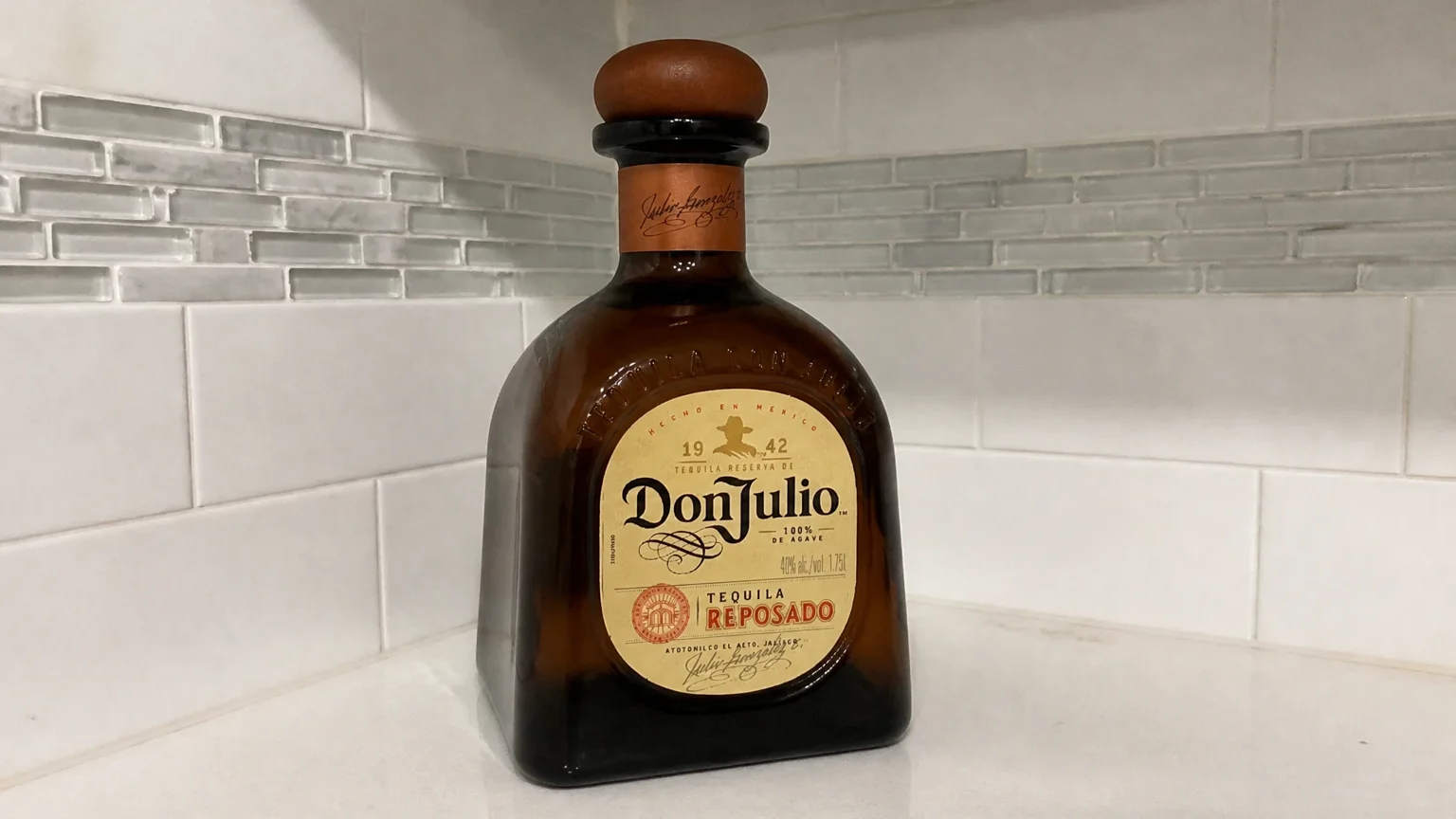
What Is the Don Julio Lawsuit?
The Don Julio lawsuit is a set of proposed consumer class actions against Diageo North America, Inc. alleging that Don Julio and Casamigos tequilas labeled "100% agave" contain alcohol from sources other than Blue Weber agave. The first case, Pusateri v. Diageo North America, Inc., was filed in the U.S. District Court for the Eastern District of New York on May 5, 2025, and two similar suits followed in California and Florida in July 2025.
The Don Julio lawsuit is not a multidistrict litigation and not a product-safety recall. The cases proceed as separate actions in separate courts, and a search of the Judicial Panel on Multidistrict Litigation's site found no MDL for the Diageo tequila suits. Diageo denies every allegation, and no court has found that any Don Julio bottle was mislabeled.
The two legal terms behind the dispute are "100% agave" and "mixto." Under Mexico's tequila standard, NOM-006-SCFI-2012, tequila labeled 100% agave must be made only from the sugars of Blue Weber agave, while a mixto may use other sugars for up to 49 percent of its fermentable sugars and cannot carry the 100% label, as The Drinks Business explained.
“This case exposes a high-stakes deception at the heart of the premium tequila market. Despite labeling and advertising Don Julio and Casamigos as "100% agave," Defendant Diageo North America, Inc. ("Diageo") has been selling tequila that contains cheaper, non-agave alcohol, misleading consumers across the country.”
Source: Source: Jacqueline Jackson v. Diageo North America, Inc., U.S. District Court for the Northern District of California, Case No. 3:25-cv-05654, Class Action Complaint ¶ 1 (filed July 4, 2025)
Why Are People Filing Don Julio Lawsuits?
People are filing Don Julio lawsuits because they allege Diageo's "100% agave" labels promised a pure agave spirit that laboratory testing suggests the bottles did not deliver. The New York complaint says Casamigos and Don Julio contain "significant concentrations of cane or other types of alcohol rather than pure tequila," according to Food & Wine's report on the filing, and the plaintiffs say they paid super-premium prices for what they believed was 100% Blue Weber agave tequila.
The California complaint rests on carbon isotope testing the plaintiff commissioned. It reports estimated agave-derived ethanol of 33 percent for Casamigos Blanco, 42 percent for Casamigos Reposado, 42 percent for Don Julio 1942 Blanco and 33 percent for Don Julio 1942 Añejo. Because the complaint says even a mixto must contain at least 51 percent agave sugars, the plaintiff argues these figures fall below what any tequila may contain.
The complaint in California also pleads a federal racketeering claim on top of consumer-protection claims, alleging that Diageo knowingly concealed how the tequilas were made. Diageo calls those allegations "outrageous and categorically false," and the allegations remain unproven.
What Injuries Are Included in the Don Julio Lawsuit?
The injuries included in the Don Julio lawsuit are economic rather than physical. The complaints allege three related harms, and none describes illness or bodily injury from drinking the tequila.
Price Premium Overpayment
A price premium, in a false-advertising case, is the extra amount a buyer is alleged to have paid because of a claim on the label.
The plaintiffs in the New York case say they paid super-premium prices because the bottles promised 100% Blue Weber agave, and that they would have paid less or chosen another brand had they known the contents. The case sought $5 million in damages on behalf of consumers in New York and New Jersey, along with an injunction, according to The Drinks Business.
Misleading "100% Agave" Labeling
Deceptive labeling is a legal claim that a product's label states or implies something about its contents that is not accurate.
The California complaint alleges that every Casamigos and Don Julio bottle carries a "100% agave" style label, and that the label tells buyers the spirit contains no sugars from any other source. It asks for relief under California's Consumers Legal Remedies Act, False Advertising Law and Unfair Competition Law for California purchasers. A federal racketeering count on behalf of a nationwide class of purchasers was also pleaded, which can carry treble damages if proven.
Harm to Agave Farmers and Honest Producers
Market distortion, in a consumer case, is the allegation that a deceptive practice also disadvantages competitors who follow the labeling rules.
The California complaint says the alleged practice undermines legitimate producers and distorts the market for authentic tequila. Plaintiffs in related coverage also point to lower agave prices for small Mexican growers, as Yahoo reported. These are background allegations about the wider market, and the individual consumers' own claims remain limited to what they paid.
Who Qualifies for the Don Julio Lawsuit?
You may qualify if:
- You bought Don Julio or Casamigos tequila in the United States, which fits the nationwide class the California complaint proposes (all persons who purchased Diageo premium tequila products in the United States).
- You bought the tequila in California, which fits the narrower California subclass proposed in the same complaint.
You may not qualify if:
- You are a judge or court staff member presiding over the case, or a Diageo employee or affiliate, who the complaint excludes from the proposed class.
- You bought tequila from another brand, since Diageo's Don Julio and Casamigos are the only brands named in these suits.
These categories describe proposed classes in a pending complaint, and no court has certified any class in the Diageo tequila suits. Only the court and a qualified attorney reviewing your own purchases can confirm whether you would be included in any class, and your state's rules may differ.
What Is the Current Status of the Don Julio Lawsuit?
The current status of the Don Julio lawsuit is that the lead New York class action was dismissed on September 30, 2026, while the related California and Florida suits were last reported without a ruling. No class has been certified, and no settlement has been announced for any of the three.
Pusateri v. Diageo North America, Inc.
Judge LaShann DeArcy Hall of the Eastern District of New York granted Diageo's motion to dismiss on September 30, 2026. The court held that the plaintiffs had not shown the standing needed to proceed, because testing of five samples did not reasonably support an inference of "ubiquitous, systemic mislabeling" and the plaintiffs did not tie the tested bottles to their own purchases.
| Court | U.S. District Court, Eastern District of New York |
| Case Number | 1:25-cv-02482 |
| Judge | LaShann DeArcy Hall |
| Plaintiffs | Avi Pusateri, Chaim Mishulovin and Sushi Tokyo Inc. |
| Defendant | Diageo North America, Inc. |
| Filed | May 5, 2025 |
| Damages Sought | $5 million, plus an injunction |
| Status | Dismissed September 30, 2026; plaintiffs' counsel said they may seek reconsideration |
Reports of the ruling did not say whether the dismissal was with or without prejudice, and no reconsideration motion or appeal had been reported in the sources reviewed. The court did not rule on whether carbon isotope testing is valid, and it did not decide that every bottle is 100% agave.
Jackson v. Diageo North America, Inc.
The Northern District of California case was filed on July 4, 2025, by Jacqueline Jackson, who alleges she bought Don Julio Blanco at Safeway and Total Wine stores in Daly City, California. The complaint demands a jury trial and proposes both a nationwide class and a California subclass.
| Court | U.S. District Court, Northern District of California (San Francisco Division) |
| Case Number | 3:25-cv-05654-MMC |
| Plaintiff | Jacqueline Jackson, on behalf of a proposed class |
| Defendant | Diageo North America, Inc. |
| Claims | Federal RICO (18 U.S.C. § 1962(c)-(d)); California CLRA, False Advertising Law and Unfair Competition Law |
| Counsel | Baron & Budd P.C. and Hagens Berman Sobol Shapiro LLP |
| Status | No ruling found in the sources reviewed |
Florida Class Action
A third class action was filed against Diageo in Miami-Dade County, Florida, in July 2025. Diageo moved to dismiss it in late October 2025, arguing the testing was scientifically unvalidated and based on one sample each of Casamigos and Don Julio that the plaintiffs did not buy, Drinks International reported.
| Court | Miami-Dade County, Florida, per Drinks International |
| Defendant | Diageo North America, Inc. |
| Status | Motion to dismiss filed; outcome not found in the sources reviewed |
Did the Don Julio Lawsuit Settle?
No. The Don Julio lawsuit has not settled, and no settlement fund, payout amount or claim form exists for it as of October 11, 2026.
The only dollar figure attached to the Don Julio lawsuit is the $5 million in damages the New York plaintiffs sought, which is a demand in a complaint and not an amount Diageo agreed to pay. Pages offering a Don Julio sign-up or claim form may be law firm contact forms, which are not settlement administrators.
A settlement could still follow in the California or Florida cases, but no source reviewed reports settlement talks. If one is ever approved, the court-appointed settlement administrator, not a law firm's sign-up page, would host the official claim form.
Latest Don Julio Lawsuit Updates
Don Julio lawsuit updates trace the Diageo "100% agave" cases from the May 2025 New York filing through the September 30, 2026 dismissal of that lead case. As of October 2026, no settlement has been announced, and the timeline below will change if the California or Florida cases move.
Full Don Julio Lawsuit Timeline
Class Action Filed in New York Against Diageo
Avi Pusateri, Chaim Mishulovin and the Brooklyn restaurant Sushi Tokyo Inc. filed Pusateri v. Diageo North America, Inc. in the Eastern District of New York, alleging Don Julio and Casamigos tequilas were falsely labeled "100% agave," and sought $5 million in damages plus an injunction. Diageo responded that the claims of adulteration are "outrageous and categorically false."
California RICO Class Action Filed With Lab Data
Jacqueline Jackson filed Jackson v. Diageo North America, Inc. in the Northern District of California, pleading federal RICO and California consumer-protection claims for a proposed nationwide class and California subclass. A similar third suit was filed in Miami-Dade County, Florida, the same month, according to The Spirits Business.
Diageo Files Its First Response in New York
Diageo sent a letter to Judge LaShann DeArcy Hall in the Eastern District of New York calling the Pusateri complaint unsupported and unverified speculation, and said all Casamigos and Don Julio tequilas labeled "100% agave" are made from 100% Blue Weber agave.
Diageo Asks to File Its Motion to Dismiss in New York
Diageo asked Judge DeArcy Hall for permission to move to dismiss the Pusateri case, proposing an October 31, 2025 motion, a December 1 opposition from the plaintiffs and a December 15 reply, and asking to file its briefs publicly as they were served, Shanken News Daily reported.
Diageo Moves to Dismiss the Florida Class Action
Diageo moved to dismiss the Florida tequila class action, calling the claims implausible and arguing that the testing was scientifically unvalidated and used one sample each of Casamigos and Don Julio that the plaintiffs themselves did not purchase, Drinks International reported.
Judge DeArcy Hall Dismisses the Lead New York Case
Judge LaShann DeArcy Hall granted Diageo's motion to dismiss Pusateri v. Diageo North America, Inc., finding that five tested samples could not support an inference of systemic mislabeling and that the plaintiffs had not linked the testing to their own bottles. Plaintiffs' lawyer Steve Berman told Reuters the ruling "gets the record wrong" and that they may ask the court to reconsider.
How to File a Don Julio Lawsuit
Here are the 5 steps to file a Don Julio lawsuit.
- Confirm whether a claim process exists: No settlement or claim form exists for the Don Julio lawsuit as of October 2026, so a page offering to enroll you in a payout should be treated with caution.
- Gather your purchase records: Keep receipts, card statements, order confirmations and photos of any Don Julio or Casamigos bottles you bought, including the product name, size and purchase date.
- Understand your position as a putative class member: In a proposed class action, purchasers generally do not file anything unless a class is certified or a settlement opens, and a certification notice or settlement notice would explain the next step.
- Watch the court dockets: Track Pusateri (E.D.N.Y. 1:25-cv-02482) and Jackson (N.D. Cal. 3:25-cv-05654) on PACER or CourtListener for any reconsideration motion, appeal or settlement filing.
- Consult an attorney about individual claims: Only a qualified attorney reviewing your own purchases and your state's deadlines can advise whether an individual claim, separate from the proposed classes, is available.
Don Julio Lawsuit is no longer accepting new claims. No settlement or claim form exists for the Don Julio lawsuit, and the lead New York case was dismissed on September 30, 2026. Related suits against Diageo in California and Florida were last reported as unresolved, so this page cannot confirm whether any consumer-facing sign-up process will open later.
What Evidence Do I Need for a Don Julio Lawsuit?
The evidence needed for a Don Julio lawsuit starts with proof of purchase, because the court that dismissed the New York case faulted the plaintiffs for not connecting the tested bottles to the products they bought. The ruling said the plaintiffs did not establish a temporal or geographic link between their purchases and the laboratory testing, as The Daily Pour reported.
Useful records generally include dated receipts or card statements showing the product and price, photos of the label and any lot or batch markings, and the name of the store. Whether a given set of records is enough depends on the court and the claim, and only an attorney can say.
How Has Diageo Responded to the Don Julio Lawsuit?
Diageo has denied every allegation in the Don Julio lawsuit and says all Casamigos and Don Julio tequilas labeled "100% agave" are made from 100% Blue Weber agave. A Diageo spokesperson said it would "vigorously defend the quality and integrity of our Tequilas in court."
Diageo also points to regulators. The company says the Consejo Regulador del Tequila, the body that certifies tequila in Mexico, has certified that its tequilas meet the standard, and that its labels were reviewed and approved by the U.S. Alcohol and Tobacco Tax and Trade Bureau, according to The Drinks Business. The plaintiffs counter that carbon isotope testing shows otherwise, and the New York court did not decide that question.
After the September 2026 dismissal, a Diageo spokesperson said the company was pleased to put "these baseless claims behind us." Sales context from The Spirits Business shows Don Julio sold 4.5 million nine-litre cases in 2025, though its sales fell 19.2 percent in the year to June 30, 2026, and the report draws no link between the lawsuits and that decline.
How Does the Don Julio Lawsuit Compare to Related Tequila Cases?
The Don Julio lawsuit compares to related tequila cases as the first of nearly a dozen suits accusing tequila brands of selling adulterated tequila, according to The Daily Pour. Similar cases against Lunazul, Cincoro, Teremana, 818 and Costco's Kirkland Signature were reported as ongoing at the time of the Don Julio dismissal, and each rests on nuclear magnetic resonance or similar carbon isotope testing.
These brand cases are separate lawsuits with separate defendants, so the New York ruling does not decide them, though it may influence how other courts view the testing. The Don Julio lawsuit also differs from the "additive-free" dispute, in which Mexico's regulator warned some brands about that marketing claim, because that dispute concerns what additives tequila may disclose rather than whether non-agave alcohol was used.
Frequently Asked Questions
What is the Don Julio lawsuit about?
The Don Julio lawsuit is about whether Diageo falsely labeled Don Julio and Casamigos tequilas as "100% agave" while allegedly selling tequila that contains cane or other non-agave alcohol. Diageo denies the claim, and no court has found that any bottle was mislabeled.
Is the Don Julio lawsuit a class action or an MDL?
The Don Julio lawsuit is a set of proposed class actions, not a multidistrict litigation. The cases are separate suits in New York, California and Florida, and no class has been certified in any of them.
Did the Don Julio lawsuit settle?
The Don Julio lawsuit has not settled as of October 11, 2026. The lead New York case was dismissed on September 30, 2026, and no settlement fund, payout or claim form exists for any Diageo tequila suit.
Can I sign up for the Don Julio class action lawsuit?
You cannot sign up for a Don Julio payout because no claim process exists, and a purchaser of Don Julio tequila generally does not file anything in a proposed class action. Pages offering sign-up forms may be law firm contact forms, and a real settlement would be run by a court-appointed administrator.
Why was the Don Julio lawsuit in New York dismissed?
The Don Julio lawsuit in New York was dismissed because Judge LaShann DeArcy Hall found the plaintiffs lacked standing, since five tested samples could not support an inference of systemic mislabeling and were not tied to the plaintiffs' own bottles. The ruling did not decide whether carbon isotope testing is valid.
Is the Don Julio lawsuit the same as the Casamigos lawsuit?
The Don Julio lawsuit and the Casamigos lawsuit are the same cases, because the complaints name both brands and the same defendant, Diageo North America, Inc. They are different from the suits against other tequila brands such as 818 or Teremana, which have different defendants.