
What Is the David Bars Lawsuit?
The David Bars lawsuit is a proposed consumer class action that three buyers filed against Linus Technologies, Inc., the company doing business as David Protein, over the calorie and fat numbers on its protein bar labels. It is not a multidistrict litigation, and no class was ever certified.
The case is Lopez v. Linus Technologies, Inc., No. 1:26-cv-00635, in the U.S. District Court for the Southern District of New York. Daniella Lopez, David Freifeld, and Crystal Paterson filed it on January 23, 2026 on behalf of nationwide, California, Illinois, and New York classes of buyers. The case later ended in a voluntary dismissal, described in the status section below.
People searching for the David bars lawsuit are often looking for a different set of cases. Starting August 24, 2026, buyers filed separate class actions over the bars' "0g Sugar" claim, and a separate antitrust suit by rival food makers has run since 2025. Both are covered further down this page.
“Plaintiffs Daniella Lopez, David Freifeld, and Crystal Paterson ("Plaintiffs") by and through their counsel, bring this class action against Defendant Linus Technologies, Inc. d/b/a David Protein ("Defendant") to seek redress for its unlawful and deceptive practices in labeling and marketing the calories and fat content in its consumer food products.”
Source: Lopez et al. v. Linus Technologies, Inc. d/b/a David Protein, No. 1:26-cv-00635 (S.D.N.Y.), Class Action Complaint, Document 1 (filed January 23, 2026)
Why Was the David Bars Lawsuit Filed?
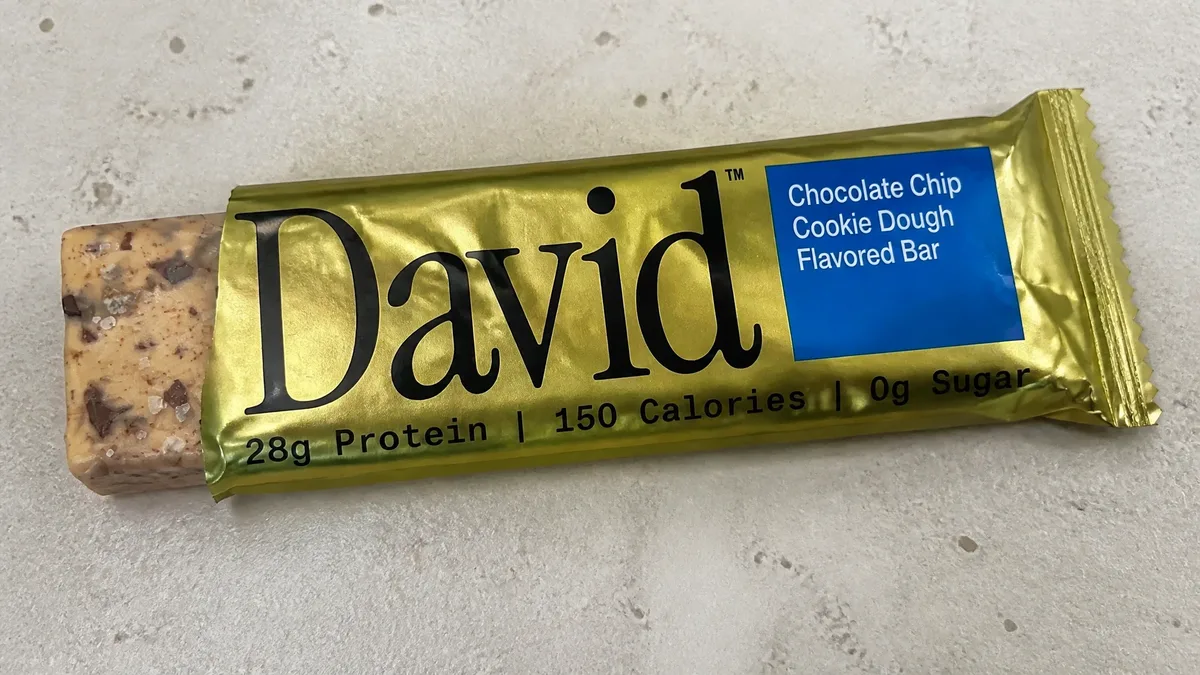
The David Bars lawsuit was filed because the plaintiffs say David Protein's labels understate how many calories and how much fat each bar contains. David bars carry the front-label promise "28g Protein | 150 Calories | 0g Sugar," and the complaint says buyers rely on those numbers when they choose a bar.
The plaintiffs hired Anresco Laboratories, an accredited lab, to test the bars. They say the results showed 268 to 275 calories and 11 to 13.5 grams of fat per bar, against the labeled 150 calories and 2 grams of fat.
The complaint says the gap breaks the FDA misbranding rule, which treats a food as misbranded when a nutrient exceeds the label value by more than 20 percent. Calorie counting is not exact, so the FDA allows a margin, and the dispute turns on whether the bars exceed it.
The later zero-sugar cases were filed for a different reason. Their complaints cite a July 2026 Seventh Circuit decision, Franco v. Chobani, which they say held that allulose counts as a sugar under FDA rules.
What Harms Does the David Bars Lawsuit Allege?
The David Bars lawsuit alleges four distinct categories of harm across the calorie case and the later sugar cases: understated calories, understated fat, a price premium, and undisclosed sugar. Each harm is defined below in plain language, followed by what the plaintiffs allege. These are allegations that no court has tested, because the calorie case ended in a voluntary dismissal and the sugar cases are at the complaint stage.
Understated Calories
An understated calorie claim is an allegation that a food label lists fewer calories per serving than the product actually provides.
The Lopez complaint says testing with the Atwater factors found 78% to 83% more calories than the 150 printed on the bars. The Atwater factors assign 4 calories per gram of protein and carbohydrate and 9 calories per gram of fat, one of six calorie methods the FDA permits.
Understated Fat
An understated fat claim is an allegation that the grams of fat on a nutrition panel are lower than the amount actually in the product.
The Lopez complaint says fat testing under AOAC method 945.44 found 368% to 400% more fat than the 2 grams listed per bar. The dispute centers on EPG, a modified plant-based fat that the bars contain, because a solvent-based fat test can count EPG as fat even though the body absorbs little of it.
Price Premium
A price premium claim is an allegation that buyers paid more for a product because of a label statement that turned out to be inaccurate.
Both sets of complaints say shoppers paid extra for bars they believed were leaner or sugar free. The Lopez plaintiffs describe paying about $3.99 and $8.99 per unit at retail, and the Yovino complaint says buyers would not have purchased the bars, or would have paid substantially less, had they known the truth.
Undisclosed Sugar
An undisclosed sugar claim is an allegation that a product labeled as having no sugar contains an ingredient that counts as a sugar under federal labeling rules.
The Yovino complaint, filed in August 2026, says David Gold bars are sweetened with allulose, a monosaccharide the complaint treats as a sugar under 21 C.F.R. 101.9(c)(6)(ii). It alleges that each bar contained seven grams of allulose as of February 2025, so the "0g Sugar" front-label claim is false and misleading.
What Is the Current Status of the David Bars Lawsuit?
The current status of the David Bars lawsuit is split between a closed calorie case and pending sugar cases. The calorie case in New York ended in March 2026 without a ruling, while the sugar cases filed since August 2026 have not produced any ruling, settlement, or certified class.
Lopez v. Linus Technologies, Inc.
Lopez v. Linus Technologies, Inc. closed on March 31, 2026, after the plaintiffs filed a notice of voluntary dismissal without prejudice on March 30. The notice cited Federal Rule of Civil Procedure 41(a)(1)(A)(i), which lets plaintiffs end a case without a court order before the defendant answers.
| Court | U.S. District Court, Southern District of New York, federal court |
| Case number | 1:26-cv-00635 |
| Judge | J. Paul Oetken |
| Filing date | January 23, 2026 |
| Plaintiffs | Daniella Lopez, David Freifeld, and Crystal Paterson |
| Defendant | Linus Technologies, Inc. d/b/a David Protein |
| Claims | Mislabeled calories and fat; consumer-protection claims for nationwide, California, Illinois, and New York classes |
| Outcome | Voluntarily dismissed without prejudice, March 30, 2026 |
| Docket status | Terminated March 31, 2026, per CourtListener |
Dismissal without prejudice means the plaintiffs could refile the same claims, and the court never decided whether the labels were accurate. NBC News reported that the reason for the dismissal was not known, and no settlement or payment has been reported.
Yovino v. Linus Technology MergerSub, LLC
Yovino v. Linus Technology MergerSub, LLC is the lead zero-sugar case and remains pending in San Francisco federal court. Linus Technology MergerSub agreed with the plaintiff on October 7, 2026 to move its response deadline from October 26 to November 16, 2026 while the parties discuss consolidating related cases.
| Court | U.S. District Court, Northern District of California, federal court |
| Case number | 3:26-cv-08834 |
| Judge | James Donato (reassigned October 1, 2026) |
| Filing date | August 24, 2026 |
| Plaintiff | Vincent Yovino, a California resident |
| Defendant | Linus Technology MergerSub, LLC |
| Claims | Six claims, including state consumer-protection statutes, unjust enrichment, California's CLRA, UCL, and FAL, and fraud |
| Product at issue | DAVID Gold protein bars labeled "0g Sugar" |
| Next date | Response to the complaint due November 16, 2026 |
| Docket status | Pending, complaint stage |
Two other zero-sugar suits followed Yovino. Ryan McCarthy filed McCarthy v. Linus Technology Mergersub, LLC, No. 2:26-cv-09958, in the Central District of California on September 4 and dismissed it without prejudice on September 18, 2026. Niki Dash filed Dash v. Linus Technology, Inc., No. 5:26-cv-00646, in the Middle District of Florida on September 10, 2026, and Top Class Actions reports that it also challenges the "0g Sugar" claim. This page did not retrieve the Dash complaint, so its exact claims are unconfirmed.
Was the David Bars Lawsuit Settled?
No. The David Bars lawsuit was not settled, and no settlement fund, claim form, or payment exists in any David Protein case reviewed for this page.
The calorie case ended when the plaintiffs dropped it, not through a deal, and the plaintiffs sought damages, restitution, and an injunction rather than a stated dollar amount. Anyone who bought the bars is only a possible member of a proposed class in the pending sugar cases, and only a qualified attorney reviewing a specific situation can say whether any claim exists.
David Bars Lawsuit Updates
David Bars lawsuit updates show a closed calorie case and a set of zero-sugar cases still at the complaint stage as of October 2026. The timeline below lists every confirmed development in order, from the first filing in January 2026 to the October 7 stipulation in Yovino, and no settlement has been announced.
David Bars Lawsuit Timeline of Events
Linus Technology MergerSub Gets Until November 16 to Respond in Yovino
Linus Technology MergerSub, LLC and plaintiff Vincent Yovino filed a stipulation in Yovino v. Linus Technology MergerSub, LLC, No. 3:26-cv-08834, extending the company's response deadline by 21 days to November 16, 2026, so the parties can discuss consolidating related cases filed in several districts.
Judge James Donato Takes Over the Yovino Case
The Northern District of California reassigned Yovino v. Linus Technology MergerSub, LLC to Judge James Donato on October 1, 2026, following a clerk's notice of impending reassignment to a district judge.
Linus Technology MergerSub Names Medici Brands as an Affiliate
In Yovino v. Linus Technology MergerSub, LLC, the company filed a certificate of interested entities identifying Medici Brands, Inc. as an affiliate of Linus Technology MergerSub, LLC.
Ryan McCarthy Drops the Central District of California Sugar Case
Plaintiff Ryan McCarthy filed a notice of voluntary dismissal without prejudice in McCarthy v. Linus Technology Mergersub, LLC, No. 2:26-cv-09958, two weeks after filing it, before the court issued any ruling.
Niki Dash Files a Third Suit in the Middle District of Florida
Niki Dash sued Linus Technology, Inc. in Dash v. Linus Technology, Inc., No. 5:26-cv-00646, before Judge Carlos E. Mendoza, and the company's waiver of service was returned executed the same day.
Ryan McCarthy Files a Second Zero-Sugar Class Action
Ryan McCarthy filed McCarthy v. Linus Technology Mergersub, LLC in the Central District of California on September 4, 2026, over the "0g Sugar" claim on David protein bars.
Vincent Yovino Files the First Zero-Sugar Class Action
Vincent Yovino filed Yovino v. Linus Technology MergerSub, LLC in the Northern District of California, alleging that DAVID Gold bars labeled "0g Sugar" contain allulose, which the complaint treats as a sugar.
Lighten Up Foods Leaves the EPG Antitrust Case With Prejudice
In OWN Your Hunger v. Rahal, No. 1:25-cv-04544, Lighten Up Foods and all defendants stipulated that Lighten Up's claims are dismissed with prejudice, and the stipulation says it has no effect on the claims of the other two plaintiffs.
Judge Marrero Calls the Antitrust Motion to Dismiss Fully Briefed
Judge Victor Marrero ruled that the defendants' motion to dismiss the amended complaint in the EPG antitrust case was fully briefed and denied their request for oral argument.
The EPG Antitrust Plaintiffs File an Amended Complaint
OWN Your Hunger, Lighten Up Foods, and Defiant Foods filed an amended complaint on April 1, 2026, after Judge Marrero granted leave to amend, and the defendants moved to dismiss it on May 1.
The Lopez Docket Closes
CourtListener's docket for Lopez v. Linus Technologies, Inc., No. 1:26-cv-00635, lists the Southern District of New York case as terminated on March 31, 2026, the day after the notice of dismissal.
Plaintiffs Voluntarily Dismiss the Calorie Class Action
Daniella Lopez, David Freifeld, and Crystal Paterson filed a notice of voluntary dismissal without prejudice in Lopez v. Linus Technologies, Inc., and David Protein said it was "pleased this matter has been resolved" while standing by its labeling.
David Protein Asks for More Time to Answer the Lopez Complaint
Defense counsel at Quinn Emanuel wrote Judge J. Paul Oetken to request, with the plaintiffs' consent, an extension of David Protein's deadline to respond to the Lopez complaint until April 17, 2026.
Judge Marrero Lets the Antitrust Plaintiffs Amend
Judge Victor Marrero granted the OWN Your Hunger plaintiffs leave to amend their complaint in the EPG antitrust case and gave them 21 days to file it.
Peter Rahal Publishes a Letter Defending the Bar Labels
David Protein founder Peter Rahal posted a letter calling the Lopez claims "simply wrong," a day after the company's Instagram statement that "No one is getting Regina Georged."
Judge Marrero Dismisses the Antitrust Complaint With Leave to Seek Amendment
Judge Victor Marrero granted the defendants' motion to dismiss the second amended complaint in OWN Your Hunger v. Rahal and denied the plaintiffs' motion for a preliminary injunction.
Judge Oetken Sets an Initial Conference for April 30
Judge J. Paul Oetken scheduled the initial conference in Lopez v. Linus Technologies, Inc. for April 30, 2026, the day after the clerk assigned the case to him.
Three Buyers File the Calorie and Fat Class Action
Daniella Lopez, David Freifeld, and Crystal Paterson filed a 46-page class action complaint against Linus Technologies, Inc. d/b/a David Protein in the Southern District of New York, alleging that its protein bars understate calories and fat.
Three Food Makers Sue David Protein Over Its Epogee Purchase
OWN Your Hunger, Lighten Up Foods, and Defiant Foods sued Linus Technology, Peter Rahal, and Epogee in the Southern District of New York after David Protein's May 9, 2025 purchase of Epogee, the only maker of the fat substitute EPG.
What Did David Protein Say About the David Bars Lawsuit and EPG Labeling?
David Protein says the David bars lawsuit misunderstands how the FDA counts calories for EPG, and it has not changed its labels. Founder Peter Rahal wrote on March 12, 2026 that the claims were "simply wrong" and that bars are "labeled correctly and in full compliance with all FDA regulations."
Rahal's argument is that EPG, short for esterified propoxylated glycerol, is a plant-based fat the body does not digest. He says FDA-reviewed notices credit EPG with 0.7 calories per gram instead of 9, and that burning EPG in a calorimeter makes it look like it delivers far more energy than the body absorbs.
The Lopez complaint described its own methods as the Atwater factors and AOAC fat analysis, not a bomb calorimeter. Food scientist Abbey Thiel told Women's Health that a solvent fat test counts EPG as fat even though it supplies far fewer calories, and Marion Nestle told DealBook the suit would likely be dismissed.
After the dismissal, David Protein said it remained "confident in the accuracy of our nutrition labeling," and Rahal repeated, "David is 150 calories." No regulator has announced enforcement action over the labels, according to ABC News.
How Does the David Bars Lawsuit Compare to the EPG Antitrust Case?
The EPG antitrust case is a separate business dispute that shares only the company and the ingredient. Rival food makers sued in OWN Your Hunger v. Rahal, No. 1:25-cv-04544, after David Protein bought Epogee on May 9, 2025, and they say they lost access to EPG they had built products around. Judge Victor Marrero dismissed their second amended complaint on February 4, 2026 but allowed an amended complaint, and a motion to dismiss the amended complaint was fully briefed on June 1, 2026.
No buyer is a plaintiff in the antitrust case, and nothing in it concerns whether the bars' labels are accurate. The consumer cases are the calorie suit in New York and the zero-sugar suits in California and Florida.
| Case | Who sued | Court | Subject | Status |
|---|---|---|---|---|
| Lopez v. Linus Technologies | Three buyers | S.D.N.Y. | Calorie and fat labels | Dismissed without prejudice, March 30, 2026 |
| Yovino v. Linus Technology MergerSub | One buyer | N.D. Cal. | "0g Sugar" and allulose | Pending; response due November 16, 2026 |
| McCarthy v. Linus Technology Mergersub | One buyer | C.D. Cal. | "0g Sugar" and allulose | Dismissed without prejudice, September 18, 2026 |
| Dash v. Linus Technology | One buyer | M.D. Fla. | Reported "0g Sugar" claim | Pending |
| OWN Your Hunger v. Rahal | Three food makers | S.D.N.Y. | Antitrust, EPG supply | Motion to dismiss pending; Lighten Up's claims dismissed June 15, 2026 |
Frequently Asked Questions
What is the David bars lawsuit about?
The David bars lawsuit is about a class action alleging that David Protein bars contain far more calories and fat than their labels state, and later suits allege the "0g Sugar" claim is misleading because of allulose.
Is the David bars lawsuit a class action?
Yes. The David bars lawsuit was filed as a proposed class action, but it is not a multidistrict litigation, and no court has certified a class in any of the cases.
Was the David bars lawsuit dismissed?
Yes. The plaintiffs voluntarily dismissed the David bars calorie lawsuit without prejudice on March 30, 2026, so they could refile, and the zero-sugar suits are separate cases.
Did David Protein settle the David bars lawsuit?
No. David Protein did not settle the David bars lawsuit, and no settlement fund or claim form exists in any of the cases reviewed.
Why did the David bars lawsuit get dropped?
The reason the David bars lawsuit was dropped has not been made public, and NBC News reported that it is not known, so any explanation is speculation.
What is EPG in the David bars lawsuit?
EPG in the David bars lawsuit is esterified propoxylated glycerol, a modified plant-based fat that the body mostly does not digest and that David Protein credits with 0.7 calories per gram.
Is the zero-sugar lawsuit the same as the David bars calorie lawsuit?
No. The zero-sugar lawsuits are separate cases filed from August 2026, they challenge the "0g Sugar" label because of allulose, and they involve different plaintiffs than the calorie case.
Is the EPG antitrust case the same as the David bars lawsuit?
No. The EPG antitrust case, OWN Your Hunger v. Rahal, was brought by rival food makers over access to EPG, and it does not involve buyers or the accuracy of the bar labels.