
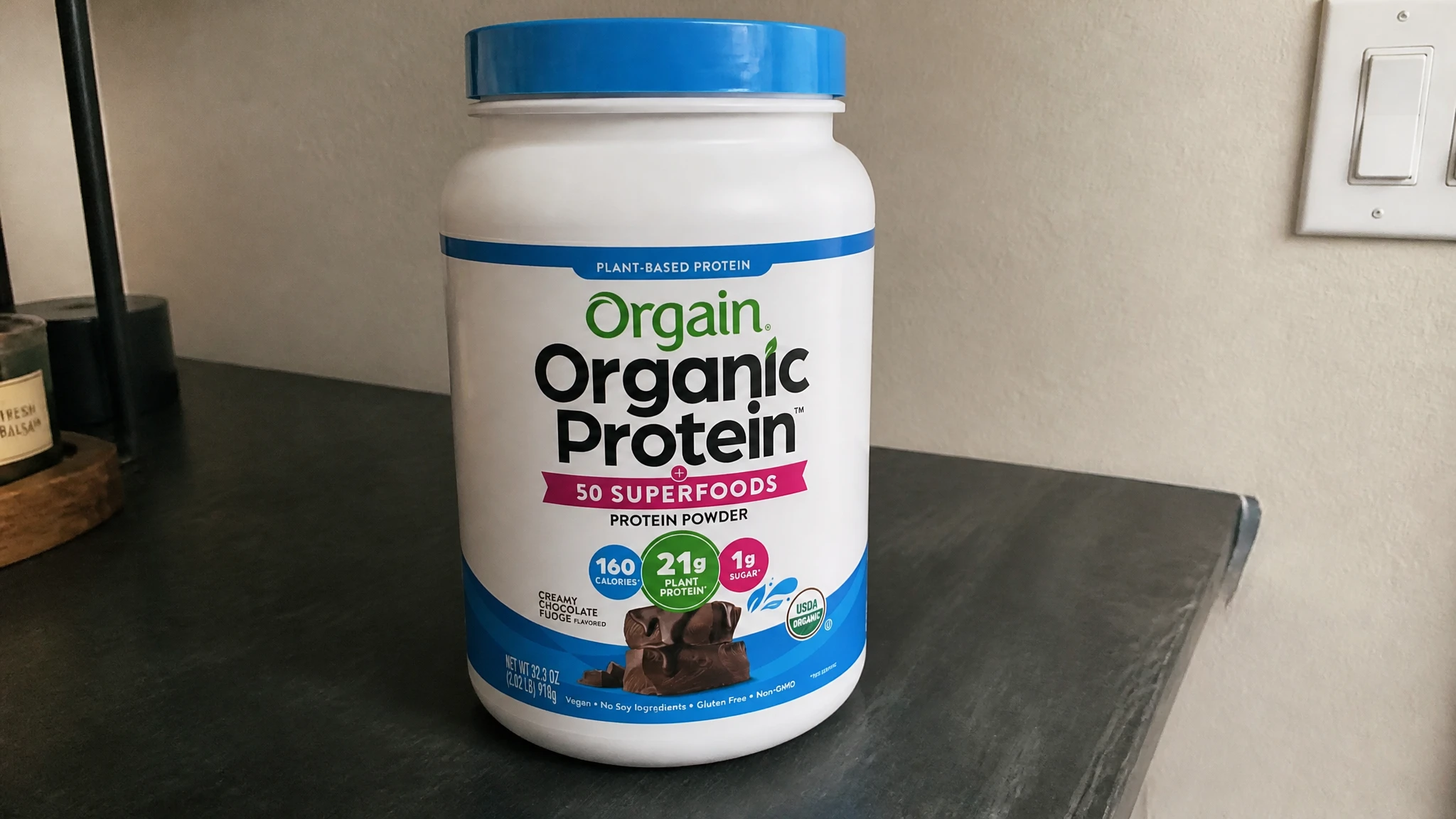
What Is the Costco Orgain Protein Powder Lawsuit?
The Costco Orgain protein powder lawsuit is a proposed nationwide consumer class action, Barton v. Costco Wholesale Corporation, filed July 7, 2026 in the U.S. District Court for the Western District of Washington at Seattle. Seven plaintiffs from six states sued Costco Wholesale Corporation, alleging that Orgain Organic Protein Powder in Vanilla Bean and Creamy Chocolate Fudge contained lead, cadmium, and arsenic that Costco never disclosed while marketing the powder as clean nutrition.
Orgain, the brand that makes the powder, is not a defendant. The case targets Costco as the retailer that sells the powder in its warehouses and on Costco.com, and the complaint alleges Costco wrote and controlled the product pages where the marketing claims appear. Hagens Berman Sobol Shapiro LLP and Hecht Partners LLP represent the plaintiffs. The allegations are unproven, and the case is a single class action rather than a multidistrict litigation (MDL).
“Costco sells Orgain Organic Protein Powder (the "Contaminated Products") in its stores and online.”
Source: Barton v. Costco Wholesale Corporation, No. 2:26-cv-02364 (W.D. Wash.), Class Action Complaint, Document 1, paragraph 1 (filed July 7, 2026)
Why Are People Filing Costco Orgain Protein Powder Lawsuits?
People are filing Costco Orgain protein powder lawsuits because the plaintiffs say Costco sold the powder as clean nutrition without telling buyers that laboratory testing found lead, cadmium, and arsenic in it. The complaint points to language on Costco's product page such as "the power of clean," "quality ingredients [and] higher standards," "good clean fuel," and "relentless about quality," along with the USDA Organic mark on the packaging, and argues that none of it mentioned any heavy metal.
The plaintiffs frame the claim as concealment and a misleading overall impression, not as an allegation that Costco added anything to the powder. In their account, a shopper cannot detect heavy metals without laboratory testing, so the shopper depends on what the seller says. Each plaintiff says they would not have bought the powder, or would have paid less, had Costco disclosed the metals.
The USDA Organic mark matters to the theory because the complaint says a reasonable shopper associates it with purity. Commentary on the case notes that organic certification addresses farming inputs such as synthetic pesticides and does not certify the absence of heavy metals, which plants can absorb from soil, so the plaintiffs treat the seal as part of the overall impression rather than as a false statement on its own.
What Injuries Are Included in the Costco Orgain Protein Powder Lawsuit?
The injuries included in the Costco Orgain protein powder lawsuit are mainly economic, with three alleged heavy metal exposures behind the overpayment claim. Seattle Times reporting on the complaint states that none of the seven plaintiffs alleges adverse health effects from the powder, so the claimed harm is paying a price premium for a powder the plaintiffs say was not as clean as advertised, together with exposure to metals the complaint says have no known safe level.
Research on trace metals in protein powder is mixed. The same Seattle Times report notes a 2020 study in which ingesting trace heavy metals through protein powder did not raise the adverse health risks that study tested for. The four items below separate the economic claim from each named metal.
Economic Loss from Overpayment
Economic loss from overpayment is the financial harm of paying more for a product than it was worth, usually measured as the gap between the price paid and the value actually delivered.
The plaintiffs say they bought Vanilla Bean or Creamy Chocolate Fudge powder for roughly $27 to $39 per container and would not have bought it, or would have paid less, had Costco disclosed heavy metals. The complaint measures the claimed premium by comparison, noting that Orgain sold at about $0.79 to $0.80 per ounce while it lists competing powders it says tested with no detectable heavy metals at lower per-ounce prices.
This is the claim the whole case depends on, because it needs no proof that anyone became ill. It rests on what the labeling and product page led buyers to expect.
Lead Exposure
Lead is a naturally occurring toxic metal that can accumulate in the body over time.
Testing arranged by plaintiff Randall Hartwright and the plaintiffs' lawyers, with confirmatory results from Microbac Laboratories, found lead at up to 67 parts per billion in Vanilla Bean and 46 parts per billion in Creamy Chocolate Fudge. The highest reading, 3.37 micrograms per serving in a Vanilla Bean sample, is roughly 6.7 times California's Proposition 65 daily lead level of 0.5 micrograms.
Proposition 65 is a warning threshold set well below federal action levels, so exceeding it can trigger a label obligation but is not a finding that a product is unsafe or caused harm. The complaint also relies on an October 2025 Consumer Reports test that put Orgain Vanilla Bean at 143 percent of the group's level of concern for lead, rated it "okay to eat occasionally," and suggested about 4.75 servings per week, and it quotes an FDA statement that there is no known safe level of lead exposure.
Lead is the metal that carries the case, because the plaintiffs' own tables show the lead readings are the only ones above a Proposition 65 figure.
Cadmium Exposure
Cadmium is a naturally occurring toxic metal that can build up in the body, especially in the kidneys, over time.
The plaintiffs' testing found cadmium in every sample, at up to 70.3 parts per billion, and the highest per-serving reading in the complaint's table is 3.52 micrograms in a Creamy Chocolate Fudge sample. The complaint alleges cadmium has no known safe level and links it to cancers, diseases of the central nervous system, developmental delays, and pregnancy complications.
The complaint's own Proposition 65 oral figure for cadmium is 4.1 micrograms per day, and every cadmium reading it reports falls below that number. The cadmium claim therefore rests on the alleged absence of any safe level and on non-disclosure, not on a threshold being crossed.
Arsenic Exposure
Arsenic is a naturally occurring element found in soil and water, and long-term exposure to some forms of it is linked to health problems.
The testing found arsenic at up to 18 parts per billion, with a highest per-serving reading of 0.920 micrograms in a Creamy Chocolate Fudge sample. The complaint links arsenic to cancer, diabetes, atherosclerosis, and cardiovascular disease.
Like cadmium, the arsenic readings sit below the complaint's own Proposition 65 figure of 10 micrograms per day for inorganic arsenic. The arsenic allegation adds to the overall concealment claim and does not stand as a threshold exceedance.
Who Qualifies for the Costco Orgain Protein Powder Lawsuit?
You may qualify if:
- You bought Orgain Organic Protein Powder in Vanilla Bean or Creamy Chocolate Fudge from a Costco warehouse or Costco.com
- You bought it for personal or household use, not to resell
- Your purchase falls within the period the complaint covers, which it alleges runs from 2019 through June 2026
- You live anywhere in the United States, with separate proposed subclasses for buyers in Washington, California, Illinois, Minnesota, Ohio, and Texas
You may not qualify if:
- You bought the powder only from another retailer such as Amazon, Target, or Walmart
- You bought the powder to resell it
- You bought a different Orgain product or flavor that the complaint does not name
- You are Costco or one of its officers, directors, employees, or affiliates, or a judge assigned to the case
No court has certified a class in Barton, so no one is formally a class member yet, and the class definitions could change or the case could be dismissed. Whether you can take part depends on your purchase records, your state, and the court's final class definition, and only a qualified attorney reviewing your records can confirm it. The complaint says class members can be identified from Costco's membership and point-of-sale records, so your Costco account may already hold the proof you need.
What Is the Current Status of the Costco Orgain Protein Powder Lawsuit?
The current status of the Costco Orgain protein powder lawsuit is that the case is at the pleading stage, with Costco's motion to dismiss reported on October 1, 2026 and no class certified. Barton is a single federal case before Judge Kymberly K. Evanson, and no parallel MDL or state-court consolidation was found in a search of the Judicial Panel on Multidistrict Litigation's published orders.
Barton v. Costco Wholesale Corporation
Stephen Barton of Washington and six other consumers filed the 87-page Class Action Complaint on July 7, 2026, asserting twelve counts that include the Washington Consumer Protection Act, three California statutes, the Illinois Consumer Fraud and Deceptive Practices Act, four Minnesota statutes, the Ohio Consumer Sales Practices Act, the Texas Deceptive Trade Practices Act, and a nationwide fraudulent concealment claim under Washington law.
| Court | U.S. District Court, Western District of Washington at Seattle |
| Case Number | 2:26-cv-02364 |
| Judge | Judge Kymberly K. Evanson |
| Filed | July 7, 2026 |
| Plaintiffs | Stephen Barton (WA), Daniel Levine (CA), Sandi Morgan (CA), Tucker Jaroll (IL), Claire Schmitt (MN), Anna Baltzer (OH), Randall Hartwright (TX) |
| Defendant | Costco Wholesale Corporation |
| Plaintiffs' Counsel | Hagens Berman Sobol Shapiro LLP (Steve W. Berman, Shelby Smith) and Hecht Partners LLP (Rebecca A. Peterson, Krista K. Freier, Catherine A. Peterson) |
| Proposed Class | Nationwide household purchasers of the two named flavors from Costco warehouses or Costco.com, plus Washington, California, Illinois, Minnesota, Ohio, and Texas subclasses |
| Current Stage | Costco motion to dismiss reported October 1, 2026; no class certified |
Costco's motion to dismiss, as reported by Top Class Actions, argues that its "clean nutrition" marketing never promised the powder was free of lead, cadmium, or arsenic, and that the challenged phrases are nutrition descriptions or non-actionable puffery. Costco also argues the highest alleged lead reading of 3.37 micrograms per serving is less than half of the FDA's interim reference level of 8.8 micrograms per day, that Proposition 65 is a warning level and not a measure of harm even though five samples appeared to exceed it, and that the plaintiffs lack standing to seek an injunction or to sue over two untested flavors. It asks the court to dismiss every claim with prejudice.
No hearing date or ruling on the motion appeared in the sources reviewed, so the next step is the plaintiffs' opposition and then the court's decision.
Is There a Costco Orgain Protein Powder Lawsuit Settlement?
No. No Costco Orgain protein powder lawsuit settlement exists as of October 13, 2026, and no claims process, settlement fund, or claim form is open.
The Barton complaint seeks actual damages measured by the price premium, treble damages where state law allows, punitive damages, restitution, and an order requiring Costco to disclose heavy metal levels or stop selling the powder without a warning. Press coverage describes the money sought as unspecified, and no court has certified a class.
Any future payout would depend on class certification, the damages model the court accepts, and the number of claimants. The per-container prices in the plaintiffs' purchases frame the scale of an individual refund, but no per-person figure can be responsibly estimated while the case is still at the pleading stage.
Costco's request for dismissal with prejudice matters to the settlement outlook. If the court grants it, those claims could not be refiled, and if the court denies it, the case moves toward discovery and a class certification fight, which is the stage where settlement talks usually begin.
No recall of Orgain protein powder has been reported, so there is also no recall refund. The powder remained on sale at Costco and other retailers when the case was filed.
Costco Orgain Protein Powder Lawsuit Updates and Case Status
Here is the current status of the Costco Orgain Protein Powder lawsuit, updated with new filings, rulings, and case-count reports as they're confirmed. No settlement date has been set as of October 2026; the Barton v. Costco class action remains in active pretrial litigation. Every verified development is listed in the timeline below, in order.
Costco Orgain Protein Powder Lawsuit Timeline of Events
Clean Label Project publishes its protein powder study
The Clean Label Project, a nonprofit that tests consumer products for contaminants, published a study of 160 popular protein powders in January 2025. The Barton complaint later cited its finding that 47 percent of the powders exceeded California's Proposition 65 limits for heavy metals, and ClassAction.org reports that neither Orgain flavor named in the case appears on the group's list of certified clean powders.
Consumer Reports tests protein powders for lead
Consumer Reports published its October 2025 protein powder testing, which rated Orgain Organic Plant-Based Protein Powder in Vanilla Bean at 143 percent of the organization's level of concern for lead and labeled it okay to eat occasionally. The Barton complaint relies on this report.
California introduces SB 1033 on protein powder metals testing
California Senate Bill 1033 was introduced on February 11, 2026 and would require protein product makers to test each lot for arsenic, cadmium, lead, and mercury and publicly disclose the results. LegiScan records show the bill held in the Senate Appropriations Committee on May 14, 2026, and no source reviewed reported it as enacted.
Texas attorney general opens a protein powder investigation
Texas Attorney General Ken Paxton opened an industry-wide investigation into protein powder manufacturers on June 8, 2026 under the Texas Deceptive Trade Practices Act, citing Consumer Reports and Clean Label Project testing. The Barton complaint cites the investigation, which targets manufacturers and does not name Costco.
Seven consumers file Barton v. Costco Wholesale Corporation
Stephen Barton and six other consumers filed the proposed class action against Costco Wholesale Corporation on July 7, 2026 in the Western District of Washington at Seattle, docketed as No. 2:26-cv-02364 and assigned to Judge Kymberly K. Evanson. The 87-page complaint alleges that Orgain Organic Protein Powder sold by Costco contains undisclosed lead, cadmium, and arsenic, and Hagens Berman announced the filing the same day.
Orgain says its products comply with food safety standards
Orgain, which is not a defendant in Barton, told reporters in July 2026 that trace amounts of environmental substances can appear in plant-based ingredients and that its products comply with applicable food safety standards and guidance. Orgain added that it stands behind the safety and quality of its products.
Costco moves to dismiss every claim in Barton
Top Class Actions reported on October 1, 2026 that Costco Wholesale Corporation asked the Western District of Washington to dismiss all claims in Barton with prejudice, arguing that its clean-nutrition marketing never promised the Orgain powder was free of heavy metals. No hearing date or ruling had been reported as of October 13, 2026.
How to File a Costco Orgain Protein Powder Lawsuit
Below are the 6 steps involved in filing a Costco Orgain Protein Powder lawsuit.
- Check that your purchase fits the case: The proposed class covers Orgain Organic Protein Powder in Vanilla Bean or Creamy Chocolate Fudge bought from a Costco warehouse or Costco.com for household use.
- Gather your proof of purchase: Your Costco membership account purchase history, online order confirmations, or receipts can show what you bought, when, and for how much.
- Keep the container and photograph the label: A photo of the flavor, size, and lot code ties your purchase to the product described in the complaint.
- Note the dates, prices, and your state: The proposed subclasses and the applicable consumer protection law depend on where you bought the powder.
- Consult a consumer class action attorney: Hagens Berman Sobol Shapiro LLP and Hecht Partners LLP are counsel of record for the plaintiffs, and a qualified attorney can confirm whether your purchase and your state's deadlines fit.
- Watch the docket for a claims process: No claim form exists yet, so track Barton v. Costco Wholesale Corporation, No. 2:26-cv-02364 in the Western District of Washington for a settlement or class certification order.
Answer a few questions and a case reviewer will follow up. Free, no obligation.
A case reviewer will follow up soon.
What Evidence Do You Need for a Costco Orgain Protein Powder Lawsuit?
Evidence for a Costco Orgain protein powder lawsuit claim centers on proof that you bought the named powder from Costco, because the claims pleaded in Barton are economic. A Costco membership purchase history, an online order confirmation, or a receipt that shows the product name, flavor, date, and price is the core record.
A photograph of the container, including the flavor and lot code, helps connect your purchase to the products in the complaint. Because the complaint says every Costco purchase is tied to a membership number, your account history may already hold what a lawyer would ask for.
Medical records are not part of the claims pleaded in Barton, since no plaintiff alleges a physical injury. Anyone with a health concern about heavy metal intake should raise it with a doctor separately from any legal claim.
What Did Costco Allegedly Know About Heavy Metals in Orgain Protein Powder?
The Barton complaint alleges Costco "knew or, at a minimum, should have known" that Orgain Organic Protein Powder contained detectable lead, cadmium, and arsenic and sold it anyway. The complaint supports that theory with control and capacity: it alleges Costco writes and controls the content of its product pages, sells the powder through roughly 600 warehouses and online, does not require the manufacturer to test for heavy metals, and has the revenue and quality-assurance resources to test or demand testing.
The regulatory background is part of the allegation. The FDA does not review dietary supplements before sale, and no federal limit for lead, cadmium, or arsenic in protein powder exists, which the complaint says leaves shoppers dependent on what sellers disclose. The table below lists the public testing and government actions the complaint and coverage point to.
| Date | Event | Why it matters to the case |
|---|---|---|
| January 2025 | Clean Label Project publishes its 160-product protein powder study | Public testing that predates the complaint and is cited as notice |
| October 2025 | Consumer Reports publishes its protein powder lead testing | Public testing that names Orgain Vanilla Bean |
| June 8, 2026 | Texas attorney general opens an industry-wide protein powder investigation | Government scrutiny of heavy metal disclosures, aimed at manufacturers |
| July 7, 2026 | Barton v. Costco Wholesale Corporation is filed | The first suit in the protein powder wave to name a retailer, according to OpenClassActions |
Costco has not been found to have known of any contamination or to have misled anyone. The allegations are unproven, and Costco's position is that its marketing made no promise about heavy metals. Orgain, which is not a party, says its products comply with applicable food safety standards, and Costco and Orgain remain free to contest the plaintiffs' testing.
How Does the Costco Orgain Protein Powder Lawsuit Compare to Related Cases?
The Costco Orgain protein powder lawsuit differs from other protein powder heavy metal cases mainly because it sues a retailer instead of the brand that makes the powder. OpenClassActions describes it as the first case in the wave to skip the manufacturer, and the other cases below name the product's maker.
The closest federal precedent is the Huel litigation. On April 2, 2026 the Judicial Panel on Multidistrict Litigation denied a motion to centralize five Huel heavy metal class actions in four districts as MDL No. 3177, finding centralization unwarranted for so few actions. That order concerns Huel Black Edition protein powder and Huel as the defendant, and it has no bearing on Barton, which was filed three months later against a different defendant.
| Case | Defendant | Product and issue | Status |
|---|---|---|---|
| Barton v. Costco Wholesale Corporation, No. 2:26-cv-02364 (W.D. Wash.) | Costco Wholesale Corporation | Orgain Organic Protein Powder sold at Costco; undisclosed lead, cadmium, and arsenic | Motion to dismiss reported October 1, 2026 |
| In re Huel, Inc., Heavy Metal Products Liability Litigation, MDL No. 3177 | Huel, Inc. and Huel, Ltd. | Huel Black Edition protein powder; heavy metals such as lead | Centralization denied April 2, 2026; five actions in four districts |
| OWYN protein lead class action | Only What You Need, Inc. | Chocolate OWYN protein shake alleged to contain lead | Filed 2025; no outcome found |
Costco faces other consumer suits that are separate from this one. The Costco lawsuit page tracks its forced labor, tariff refund, and other matters, and the Costco auto renewal lawsuit page covers a California membership renewal class action.
Frequently Asked Questions
What is the Costco Orgain protein powder lawsuit about?
The Costco Orgain protein powder lawsuit is about whether Costco misled shoppers by selling Orgain Organic Protein Powder as clean nutrition without disclosing lead, cadmium, and arsenic that the plaintiffs' testing found. Seven plaintiffs from six states filed it on July 7, 2026, and Costco argues in its motion to dismiss that its marketing never promised the powder was free of heavy metals.
Is the Costco Orgain protein powder lawsuit a class action or an MDL?
The Costco Orgain protein powder lawsuit is a proposed class action, not an MDL. It is a single case, Barton v. Costco Wholesale Corporation, No. 2:26-cv-02364, pending in the Western District of Washington, and no court has certified a class.
Is there a Costco Orgain protein powder lawsuit settlement?
No Costco Orgain protein powder lawsuit settlement exists as of October 13, 2026, and there is no claim form or settlement fund. Costco has asked the court to dismiss every claim, so the case is still at the pleading stage.
Is Orgain a defendant in the Costco lawsuit?
Orgain is not a defendant in the Costco lawsuit, because Costco Wholesale Corporation is the only defendant named in Barton. Orgain has said its products comply with applicable food safety standards and that it stands behind their safety and quality.
Has Orgain protein powder been recalled?
No recall of Orgain protein powder has been reported in connection with the Costco lawsuit. The powder remained on sale at Costco and other retailers when the case was filed, and the allegations in Barton are unproven.
Can I join the Costco Orgain protein powder lawsuit?
You cannot formally join the Costco Orgain protein powder lawsuit yet, because no class has been certified and there is no claims process. If you bought the named flavors from Costco for household use, a qualified attorney can tell you whether you fall within the proposed class.
How is the Costco Orgain lawsuit different from the Huel heavy metal lawsuits?
The Costco Orgain lawsuit differs from the Huel heavy metal lawsuits because it names a retailer, Costco, while the Huel cases name the brand, Huel. The Judicial Panel on Multidistrict Litigation denied centralizing five Huel actions as MDL No. 3177 on April 2, 2026, and that order does not cover Barton.