
What Is the Alaska Airlines Passenger Lawsuit?
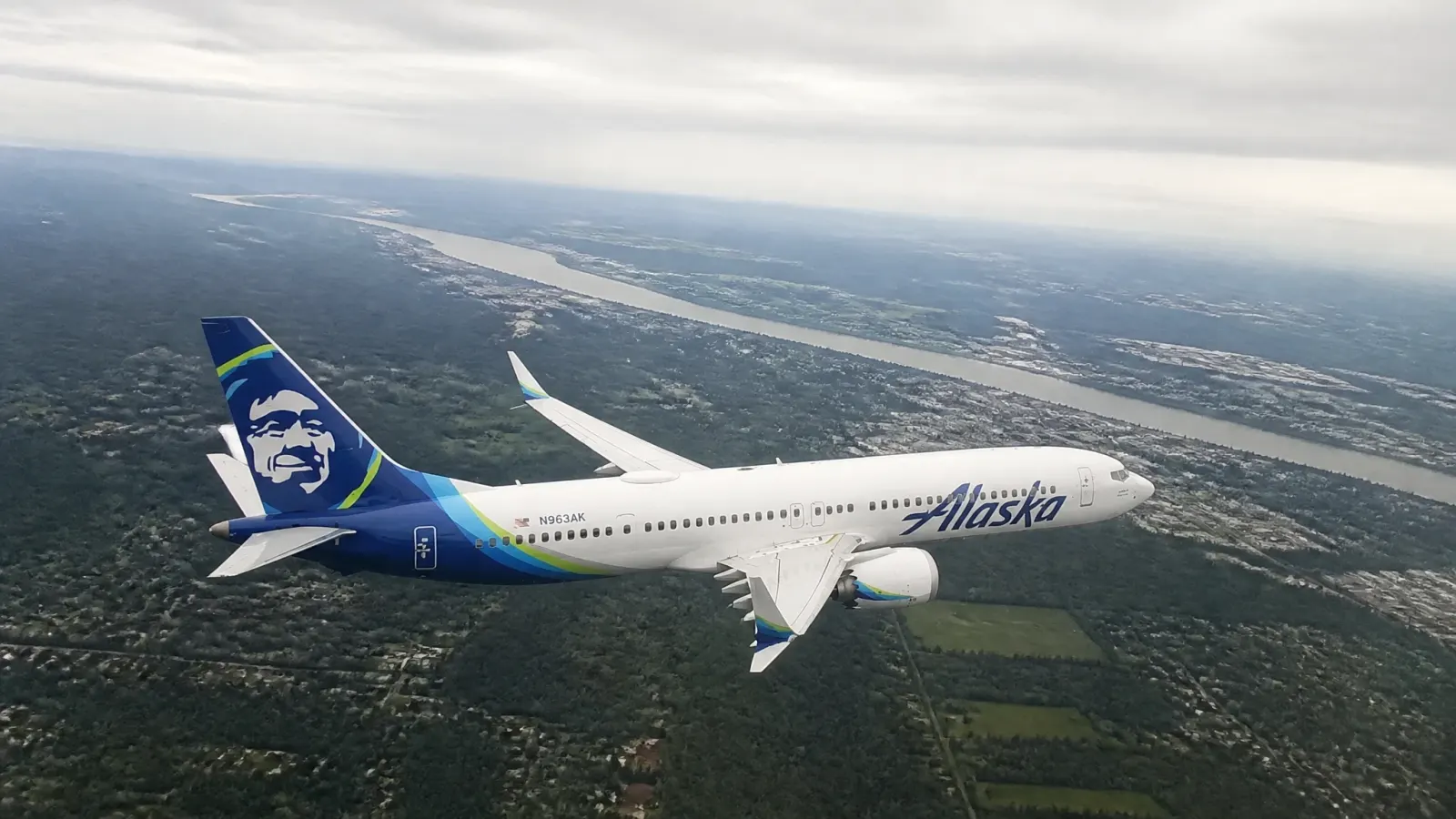
The Alaska Airlines Passenger lawsuit is a single-plaintiff negligence case in which one passenger accuses Alaska Airlines of flying Flight 700 into severe turbulence despite weather warnings. It involves one plaintiff and one named defendant, with no other passengers joined to the case.
Natalie Russell, a Washington resident, filed the complaint in King County Superior Court in May 2026. She was a passenger on the December 26, 2024 Seattle to Phoenix flight, and her attorney is Mark Lindquist. The case is a personal injury claim over one incident, which separates it from the other Alaska Airlines passenger lawsuits described further down this page.
“On December 26, 2024, at 1335 pacific standard time, Alaska Airlines flight 700, a Boeing 737-9, N958AK, encountered severe turbulence during cruise flight, near Henderson, Nevada. Of the 181 passengers and crew, two flight attendants received serious injuries, and one received a minor injury.”
Source: National Transportation Safety Board, Aviation Investigation Preliminary Report, Accident No. DCA25FA071 (Alaska Airlines flight 700, Henderson, Nevada, December 26, 2024)
Why Was the Alaska Airlines Passenger Lawsuit Filed?
The Alaska Airlines Passenger lawsuit was filed because Russell alleges Alaska Airlines pilots and dispatchers knew the plane was heading into dangerous conditions and should have delayed, rerouted, or diverted Flight 700 before anyone was hurt.
According to coverage of the complaint, Russell says passengers were warned that turbulence would worsen, and that she was still thrown into the ceiling while wearing her seatbelt. The suit argues turbulence is a well-known hazard for airlines, citing the claim that turbulence is the most common cause of injuries to commercial airline passengers. It frames the decision to continue the flight as a choice to put the schedule ahead of passenger safety.
The complaint was filed about 16 months after the flight. Washington generally gives people three years to bring a personal injury negligence claim, so a filing at that point is ordinarily within the deadline, although the exact limits depend on the claim and only a court can decide how they apply.
What Harms Does the Alaska Airlines Passenger Lawsuit Allege?
The Alaska Airlines Passenger lawsuit alleges two distinct kinds of harm from the same flight: physical injury to Russell's head and neck, and lasting emotional distress that has changed how she travels. Each is defined below in plain language, followed by what the complaint is reported to allege. Alaska Airlines has not publicly admitted any of the allegations, and no court has ruled on them.
Head and Neck Injury
A head and neck injury in a personal injury case is physical harm to the head, neck, or both, often involving pain, stiffness, or headaches, that a plaintiff links to a specific event.
Russell alleges that her head struck the ceiling when the plane dropped, even though she was seat-belted. She says she went to urgent care after landing with head and neck pain and stiffness, and that she continues to have neck pain, stiffness, and frequent headaches.
The National Transportation Safety Board's preliminary report lists the passenger injuries on Flight 700 as none, which Russell disputes in her account of her own injuries. The preliminary report is subject to change, and the lawsuit's injury allegations have not been tested in court.
Emotional Distress and Travel Anxiety
Emotional distress, in a negligence lawsuit, means mental suffering such as fear, anxiety, or trauma that a plaintiff claims resulted from an incident, which a court can treat as a form of compensable harm.
The complaint describes panic and terror in the cabin, with bleeding flight attendants on the floor and another passenger saying the scene looked like a war zone. Russell says she was deeply traumatized, now has travel anxiety, fainted on a later flight, and sleeps poorly for days before any trip.
These psychological claims depend on what Russell experienced personally, so they would be proven or disputed through her own testimony and treatment records rather than through the flight data.
What Is the Current Status of the Alaska Airlines Passenger Lawsuit?
The current status of the Alaska Airlines Passenger lawsuit is pending in the early stages. Russell filed the complaint in May 2026, and as of this writing no public answer from Alaska Airlines, no court ruling, no settlement, and no trial date have been reported.
Russell v. Alaska Airlines
Natalie Russell, represented by aviation attorney Mark Lindquist, sued Alaska Airlines in King County Superior Court in Washington. Mr. Lindquist is a former Pierce County prosecutor who has handled other cases tied to Boeing 737 Max aircraft.
| Court | King County Superior Court (Washington) |
| Filed | Mid-May 2026 (reported May 14, 2026) |
| Plaintiff | Natalie Russell |
| Plaintiff's Attorney | Mark Lindquist |
| Defendant | Alaska Airlines |
| Cause of Action | Negligence |
| Damages Sought | Compensation for injuries, medical bills, and emotional trauma; no specific amount stated |
| Related Federal Investigation | NTSB Accident No. DCA25FA071 (investigation continuing per the preliminary report) |
Public reports do not identify a presiding judge or a case number, and the court docket was not available for review when this page was written. Because the case is early, the next visible events would be Alaska Airlines' formal response and any motion practice.
Has the Alaska Airlines Passenger Lawsuit Settled?
No, the Alaska Airlines Passenger lawsuit has not settled and remains a pending civil case, so there is no confirmed settlement figure, verdict, or payout to report.
The complaint does not state a dollar amount, and it asks for compensation for physical injuries, medical bills, and emotional trauma. A claim that does not name a figure is not an estimate of value, and any eventual outcome would depend on what a court or jury finds and on the evidence Russell can show.
Some coverage of the complaint also says it seeks punitive damages, while other coverage describes the request as compensation only. Which description matches the filed pleading is not confirmed by the sources reviewed here, and a court would decide whether any such damages are available.
Latest Alaska Airlines Passenger Lawsuit Updates
The latest Alaska Airlines Passenger lawsuit updates cover the Flight 700 incident in December 2024 and the negligence complaint Natalie Russell filed in May 2026. As of October 2026 the case is pending in King County Superior Court with no settlement announced, and the timeline below lists every verified development.
Full Alaska Airlines Passenger Lawsuit Timeline
Alaska Airlines Responds to the Lawsuit
Alaska Airlines told reporters covering the Russell complaint that it does not comment on ongoing litigation, and that safety is its highest priority and it takes all reports and incidents involving turbulence seriously.
Natalie Russell Files a Negligence Complaint in King County
Russell filed her negligence complaint against Alaska Airlines in King County Superior Court in Washington, alleging pilots and dispatchers flew Flight 700 into dangerous turbulence they knew about. The Seattle Times reported the filing as having occurred on a Wednesday, which falls on May 13, though one outlet reported May 12.
Flight 700 Hits Severe Turbulence Over Nevada
Alaska Airlines Flight 700, a Boeing 737-9 flying from Seattle to Phoenix, encountered severe turbulence near Henderson, Nevada, and the pilots declared a medical emergency but continued to Phoenix. Alaska Airlines said four crew members received hospital care, apologized for any concern the experience caused guests, and the FAA said it would investigate.
What Did Alaska Airlines Allegedly Know About Turbulence in the Passenger Lawsuit?
Alaska Airlines is accused in the passenger lawsuit of knowing about the turbulence risk before Flight 700 and flying into it anyway, and the NTSB's preliminary report confirms the crew expected rougher air in the second half of the flight.
The report says the crew knew worse turbulence was expected from the weather products in the dispatch paperwork, and that they monitored a company weather app and spoke with dispatch en route. A SIGMET issued at 12:13 forecast occasional severe turbulence between 27,000 and 40,000 feet, a pilot report included such conditions about five minutes before the event, and an AIRMET issued at 12:45 forecast moderate turbulence.
The preliminary report also records what the crew did with that knowledge. The first officer announced the seatbelt sign would come on in about 15 minutes, told the flight attendants to prepare the cabin, and the pilots later chose to continue to Phoenix after concluding that a diversion to the nearest airport would route through the same expected turbulence.
That last point is the core factual dispute, because Russell's complaint says the airline should have rerouted or delayed the flight, while the report says the crew judged that diverting would not avoid the rough air. The report is preliminary and states the investigation is continuing, so it does not assign fault.
How Does the Alaska Airlines Passenger Lawsuit Compare to Other Alaska Airlines Passenger Cases?
The Alaska Airlines Passenger lawsuit is a separate case from the other lawsuits passengers have brought against Alaska Airlines, and sharing the same airline as a defendant does not connect them.
The Flight 1282 case arises from the January 5, 2024 door plug blowout on a Boeing 737-9, and passengers sued Boeing and Alaska Airlines in King County. In May 2025, the court denied motions to dismiss the outrage claims of 38 passengers on that flight, according to their attorneys. Russell's case instead concerns weather, flight planning, and turbulence on a different aircraft and date.
A third case, Dolan v. Alaska Airlines, is a proposed class action in King County Superior Court, No. 23-2-21460-9 KNT, over Flight 2059 on October 22, 2023, when an off-duty pilot in the cockpit tried to shut off the engines. A judge dismissed most of those claims as preempted by federal law in August 2024, leaving one breach-of-duty claim about letting the pilot into the cockpit.
| Case | Incident | Type of case | Status |
|---|---|---|---|
| Russell v. Alaska Airlines (this page) | Flight 700 turbulence, December 26, 2024 | Single-plaintiff negligence | Pending, filed May 2026 |
| Flight 1282 passenger suits (unrelated) | Door plug blowout, January 5, 2024 | Multiple passenger suits against Boeing and Alaska Airlines | Outrage claims allowed to proceed, May 2025 |
| Dolan v. Alaska Airlines (unrelated) | Flight 2059 off-duty pilot incident, October 22, 2023 | Proposed class action | Most claims dismissed August 2024; one claim survived |
A separate lawsuit reported earlier in 2026 alleges a Stumptown Coffee product burned flight attendants on Alaska Airlines flights, which is likewise unrelated to Flight 700.
Frequently Asked Questions
What is the Alaska Airlines passenger lawsuit about?
The Alaska Airlines passenger lawsuit is a negligence case in which Natalie Russell alleges Alaska Airlines flew Flight 700 into severe turbulence on December 26, 2024 despite weather warnings, leaving her with head and neck injuries and lasting emotional distress.
Is the Alaska Airlines passenger lawsuit a class action?
No. The Alaska Airlines passenger lawsuit is a single-plaintiff civil case, not a class action or multidistrict litigation. There is one plaintiff and one named defendant, and no other passengers have joined the case.
Has the Alaska Airlines passenger lawsuit settled?
No. As of this writing the Alaska Airlines passenger lawsuit remains pending, with no reported settlement, verdict, or trial date, and the complaint does not name a specific dollar amount.
Where is the Alaska Airlines passenger lawsuit being heard?
The Alaska Airlines passenger lawsuit is being heard in King County Superior Court in Washington. Public reports do not name a presiding judge or a case number.
Did the NTSB find that passengers were hurt on Alaska Airlines Flight 700?
No. The NTSB's preliminary report lists two serious crew injuries, one minor injury, and no passenger injuries, which Russell disputes in her lawsuit. The report is preliminary and the investigation is continuing.
Is the Alaska Airlines passenger lawsuit the same as the Flight 1282 door plug lawsuits?
No. The Flight 1282 lawsuits stem from the January 5, 2024 door plug blowout on a Boeing 737-9 and are legally distinct from Russell's Flight 700 turbulence case, even though Alaska Airlines is a defendant in both.